Stitch markers are invaluable tools for knitters and crocheters, enabling precise tracking of stitches and complex patterns. This guide delves into the essential aspects of using stitch markers effectively, from selecting the right type to mastering advanced techniques and troubleshooting common problems.
Understanding different stitch marker types, materials, and their respective strengths and weaknesses is crucial for choosing the ideal marker for a specific project. Careful consideration of project type, yarn weight, and personal preference will help knitters and crocheters make informed decisions.
Introduction to Stitch Markers
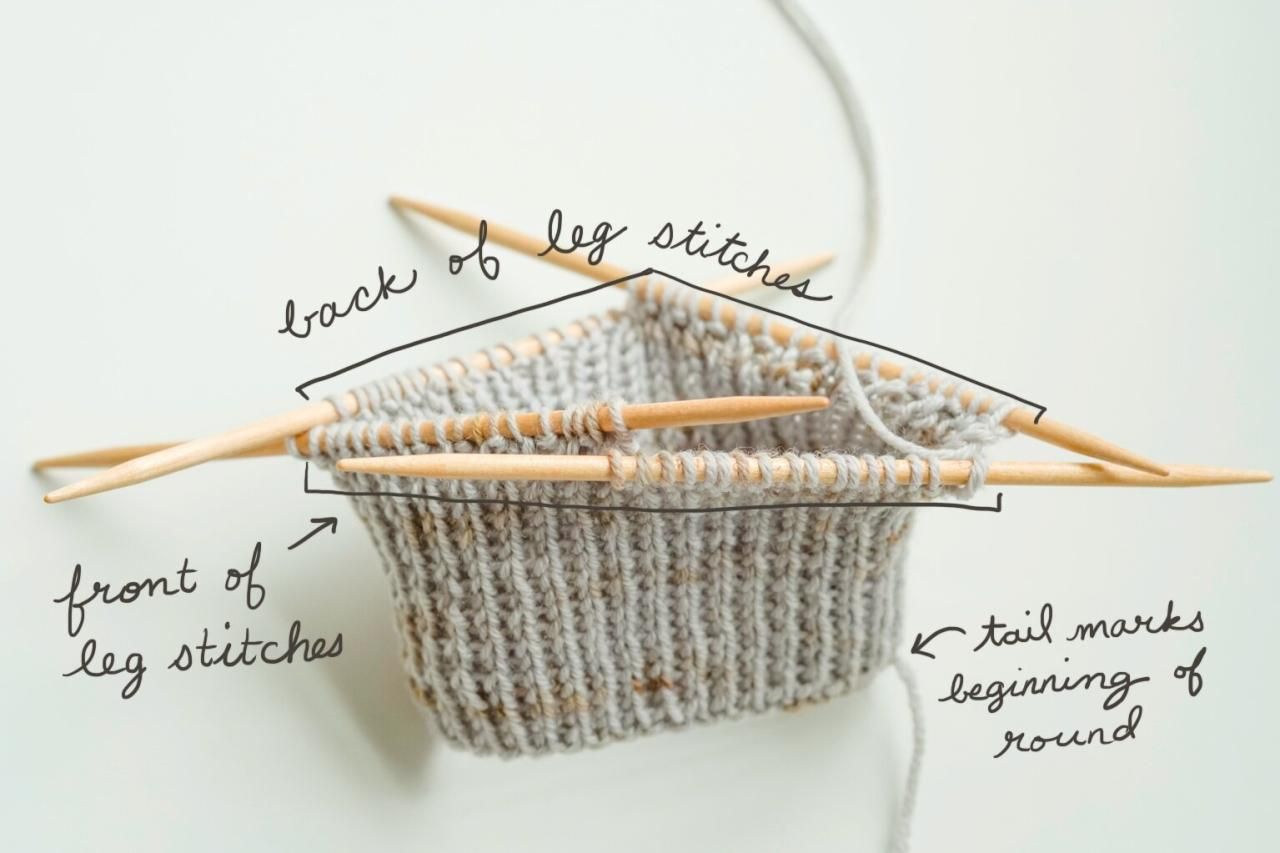
Stitch markers are essential tools for knitters and crocheters, aiding in the management of projects, especially those with intricate patterns or complex increases and decreases. They serve as visual cues, marking specific stitches or points in the work, making it easier to find your place and maintain consistency throughout the project. They also help to prevent errors and ensure a neat and precise final product.Understanding the variety of stitch markers and their applications is crucial for maximizing their effectiveness.
Different types of markers cater to various needs and preferences, allowing knitters and crocheters to select the most suitable tool for their project. This section explores the different types of stitch markers, their functionalities, and how they are used in various patterns.
Types of Stitch Markers
Stitch markers come in various materials and designs, each offering distinct advantages. Understanding these differences allows knitters and crocheters to choose the marker that best suits their project’s needs.
Available Materials
A range of materials is used for creating stitch markers, each with its own set of pros and cons. This table provides a comparison of different types of stitch markers.
| Type of Marker | Material | Pros | Cons |
|---|---|---|---|
| Plastic | Plastic | Affordable, lightweight, readily available, come in various colors and shapes. | Can sometimes be less durable than other materials, may not be as aesthetically pleasing. |
| Metal | Metal (often stainless steel) | Durable, long-lasting, generally more robust, hold up well under repeated use, often a high quality feel. | Can be slightly heavier than plastic, may be more expensive. |
| Wooden | Wood | Eco-friendly, visually appealing, provide a tactile experience. | May be more susceptible to damage or breakage than other materials, might be less durable than metal. |
| Yarn | Yarn (often contrasting color) | Easy to make at home, creates a visual aid to the pattern, matches the project. | May not be as durable, potentially unravel or come loose during knitting or crocheting. |
Uses in Knitting and Crocheting
Stitch markers are versatile tools used in a wide array of knitting and crocheting patterns. They are instrumental in maintaining a project’s structure, and are crucial for managing intricate designs.
- Marking Beginning and End of Rounds: Stitch markers allow knitters and crocheters to keep track of the beginning and end of rounds in circular projects, such as sweaters and hats. This is essential for ensuring consistent stitch counts and maintaining the intended shape of the project.
- Marking Specific Stitches: Markers can be placed on particular stitches, to indicate a specific section of the pattern or a point for increases or decreases. This aids in precisely following the pattern instructions, and prevents errors in the pattern’s construction.
- Creating Garter Stitch Patterns: Markers can be used to facilitate the creation of garter stitch patterns, aiding in creating consistent, structured designs.
- Managing Increases and Decreases: Stitch markers help keep track of increases and decreases, making the process more efficient and accurate, preventing miscalculations and maintaining the project’s integrity.
Choosing the Right Stitch Marker

Selecting the appropriate stitch marker is crucial for a successful knitting or crochet project. It ensures the marker accurately marks the stitch placement, avoids snags or tangles, and ultimately contributes to a smoother and more enjoyable crafting experience. The right marker will also make the project more resilient to damage from stress or wear during storage or transport.Careful consideration of factors like project type, yarn weight, and personal preference will lead to a more effective and satisfying crafting experience.
Understanding the various types of stitch markers and their specific applications will enable knitters and crocheters to make informed choices, resulting in a project that meets both aesthetic and practical needs.
Factors to Consider When Selecting a Marker
Choosing the right stitch marker depends on several key factors. Understanding these factors allows for informed decisions and ensures a seamless crafting process.
- Project Type: The complexity and structure of the project significantly influence the ideal marker. A simple scarf might only require a basic marker, while a more intricate sweater pattern may necessitate a more substantial or specialized marker to manage complex stitch patterns or multiple stitch counts.
- Yarn Weight: The weight of the yarn directly correlates with the appropriate marker size. Thin yarns require smaller markers to prevent them from getting lost or tangled within the stitches, while thicker yarns often benefit from larger markers that offer a secure and visible grip. For instance, delicate laceweight yarns might benefit from a tiny metal or plastic marker, while bulky yarns might require a larger, sturdy marker.
- Personal Preference: Ultimately, personal preference plays a vital role. Different knitters and crocheters might favor certain materials or designs based on their comfort and aesthetics. This preference could range from the feel of a particular material, the visual appeal of the design, or the level of comfort in handling a specific type of marker.
Types of Stitch Markers and Their Applications
Different types of stitch markers offer varying benefits and drawbacks. Recognizing these distinctions allows for informed choices tailored to specific needs.
- Metal Markers: These markers are often durable and provide a strong hold on the yarn. They are generally ideal for projects involving heavier yarns or where a more secure mark is needed. They’re often favoured for projects where the marker needs to withstand handling or potential wear, such as projects that require frequent placement or removal of markers.
- Plastic Markers: Plastic markers are lightweight and often come in various colors and shapes. Their flexibility and ease of handling make them suitable for a wide range of projects, particularly those that benefit from a more unobtrusive marker, like those that need to be easily visible but are not required to hold particularly heavy yarns.
- Wooden Markers: Wooden markers provide a natural and often aesthetically pleasing option. They can be particularly well-suited for projects requiring a more subtle marker, or projects that benefit from a marker that’s not as visible.
Marker Size and Project Considerations
The size of the stitch marker is a crucial aspect, as it directly impacts the project’s overall success. Matching the marker size to the yarn weight is essential to ensure a proper grip and avoid issues.
- Yarn Weight Correlation: A small marker might get lost or tangled in thin yarns, while a large marker might create unwanted bulk or strain on delicate projects. Finding the right balance ensures a smooth and effective marking process.
- Project Size Considerations: The overall size of the project can influence the choice of marker. For instance, a large, complex project might require more visible markers, such as metal markers with distinctive colours. This is to aid in quickly and efficiently locating the stitch markers. Smaller projects can often utilize more subtle markers without compromising functionality.
Correct Placement and Use of Stitch Markers
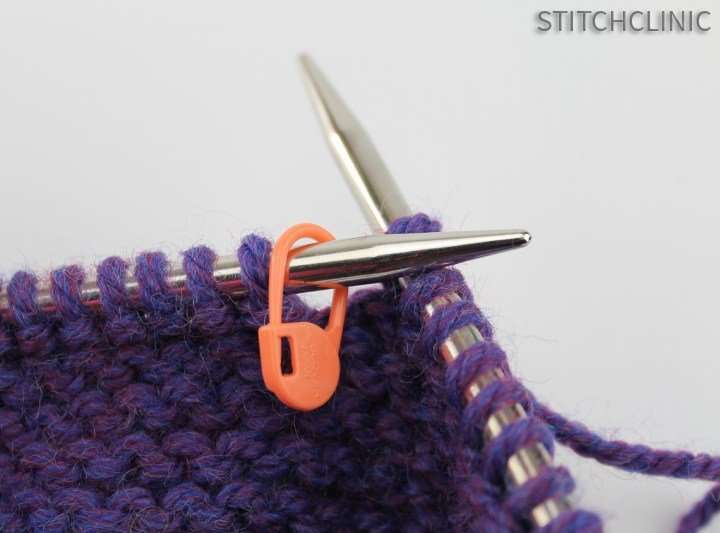
Properly placing stitch markers is crucial for maintaining accurate stitch counts and preventing mistakes during knitting and crocheting projects. A well-placed marker serves as a visual guide, ensuring that the project progresses smoothly and accurately. Using the correct placement techniques also minimizes the risk of damaging the fabric or yarn.Careful attention to marker placement ensures that your project remains intact and allows for seamless continuation should you need to pause or restart your work.
This meticulous approach avoids the frustration of having to unravel or re-work sections of your project.
Techniques for Placing Stitch Markers in Knitting
Careful placement of markers in knitting is essential for maintaining accurate stitch counts and avoiding fabric damage. Different techniques are suitable for various knitting projects and individual preferences.
- Inserting the marker in the stitch: This method involves placing the marker directly within the stitch itself. This technique is often favored for its precision and ability to minimize the bulk of the marker. Carefully slip the marker into the stitch; it should rest in the middle of the stitch, avoiding the yarn loops. The marker’s placement should not disrupt the knitting structure.
This approach works well for projects that need precise stitch counting and maintaining an even stitch pattern. Ensure the marker is inserted with minimal tension to prevent distortion of the fabric.
- Placing the marker under the stitch: This approach involves inserting the marker under the stitch, beneath the yarn loops. This method works best when the stitch structure is loose or when you want to avoid potentially damaging the stitch itself. The marker is placed under the stitch with care to prevent any distortion of the stitch structure or yarn. Ensure the marker does not get tangled in the yarn.
Techniques for Placing Stitch Markers in Crochet
Similar to knitting, crochet also benefits from strategic marker placement for precise work. The specific method depends on the project’s design and desired effect.
- Placing the marker in the stitch: The marker is placed in the center of the stitch, within the yarn loop. Be cautious to avoid pulling the yarn too tightly when inserting the marker, ensuring it doesn’t pull on the surrounding stitches. The marker should sit flush with the stitch and not alter the stitch’s structure. Use this method when precise stitch counting is essential.
- Placing the marker under the stitch: This technique involves inserting the marker under the stitch, beneath the yarn loop. This approach is especially helpful for avoiding potential damage to the stitches, particularly in projects with delicate or complicated patterns. Ensure the marker does not become tangled in the yarn and maintain a clean stitch structure. This method works well when preserving the stitch’s integrity is paramount.
Comparison of Marker Placement Methods
The following table summarizes the different marker placement techniques, highlighting their advantages and considerations.
| Method | Description | Advantages | Considerations |
|---|---|---|---|
| Marker in Stitch (Knitting) | Marker inserted within the stitch | Precise stitch counting, minimal bulk | Potential for slightly altering stitch structure |
| Marker under Stitch (Knitting) | Marker placed under the stitch | Preserves stitch structure, good for loose stitches | Can potentially cause distortion if not careful |
| Marker in Stitch (Crochet) | Marker placed in the stitch | Precise stitch counting, minimal bulk | Potential for slightly altering stitch structure |
| Marker under Stitch (Crochet) | Marker placed under the stitch | Preserves stitch structure, good for delicate stitches | Can potentially cause distortion if not careful |
Avoiding Damage to Fabric and Yarn
To prevent damage to the fabric or yarn while inserting stitch markers, practice the following guidelines:
- Gentle Insertion: Avoid forcefully inserting the marker. Gentle and precise placement minimizes the risk of stretching or pulling the yarn. This is particularly important for delicate yarns.
- Careful Removal: Removing stitch markers requires the same level of care as insertion. Pull the marker out gently, avoiding any sudden movements that could damage the stitches or yarn.
- Marker Selection: Choose stitch markers that are appropriate for the yarn type and project. For delicate yarns, opt for smaller, less bulky markers. Avoid markers with sharp edges or points that could snag or damage the fabric.
Advanced Techniques and Strategies
Stitch markers are not just for basic placement; they unlock a world of creative possibilities for managing complex projects. Mastering advanced techniques empowers you to navigate intricate patterns with ease, ensuring accuracy and preventing frustration. This section explores innovative ways to utilize stitch markers, focusing on tracking specific sections, managing intricate stitch patterns, and handling increases, decreases, and special stitches.Understanding how to leverage stitch markers beyond the rudimentary can significantly impact the efficiency and enjoyment of your knitting or crochet projects.
This approach allows for a smoother workflow, minimizing errors and maximizing the outcome of your creations. By employing these advanced techniques, you’ll be well-equipped to tackle more challenging projects with confidence.
Tracking Specific Pattern Sections
Utilizing stitch markers to track specific pattern sections enhances project management. This allows for precise execution of complicated sequences, especially useful for intricate patterns or those requiring multiple repeating sections.
- Marking Repeating Units: For patterns with repeating units, stitch markers can be used to clearly define the beginning and end of each unit. This method aids in ensuring that each repetition is accurately completed. This is especially beneficial for large or complex patterns.
- Marking Changes in Stitch Patterns: If a pattern transitions from one stitch pattern to another, markers can be used to clearly delineate these changes. This allows for seamless transitions and prevents mistakes when switching between different stitch sequences.
- Creating a Visual Guide: Stitch markers can be used to visualize sections within a pattern. This aids in maintaining an organized and clear understanding of the pattern’s structure, enabling faster and more accurate completion of the project.
Managing Complicated Stitch Patterns
Handling complex stitch patterns can be simplified with the strategic use of stitch markers. They provide a visual aid for maintaining clarity and accuracy throughout the process.
- Tracking Increases and Decreases: Stitch markers can be used to precisely track increases and decreases. This helps ensure even distribution of increases or decreases, preventing mistakes in calculations and uneven results. For instance, a pattern might require increases in specific rows or sections; using markers helps in ensuring these are done accurately.
- Organizing Special Stitches: When a pattern includes unique or unusual stitches, markers can be used to identify these sections. This assists in executing these stitches correctly and without confusion. For example, the pattern might involve a special stitch pattern every fourth row; markers help maintain the consistency and accuracy of these sections.
- Breaking Down Complex Sections: Dividing a complex pattern into manageable segments using markers can be beneficial. This allows for focused work on each segment, reducing the overall complexity and facilitating better understanding of the pattern.
Using Markers for Increases, Decreases, and Special Stitches
Stitch markers play a crucial role in managing increases, decreases, and special stitches. These advanced techniques provide a structured approach to completing complex sections of a project.
- Marking Increase Locations: For projects requiring increases, using markers to clearly mark the increase locations helps in ensuring that they are done in the correct places and with the correct number of stitches.
- Identifying Decrease Points: Marking the points for decreases is crucial for maintaining the pattern’s shape and structure. This helps to prevent errors and ensure that decreases are implemented precisely.
- Facilitating Special Stitches: Complex or unusual stitches often benefit from markers to aid in their execution. Markers act as visual reminders for executing these stitches correctly and prevent errors.
Troubleshooting Common Problems
Stitch markers, while invaluable for managing your knitting or crocheting projects, can sometimes present challenges. Understanding potential issues and how to address them proactively can save you time and frustration, ensuring your projects proceed smoothly. This section will detail common problems, provide solutions, and offer preventive measures to keep your markers performing optimally.
Slipping Markers
Marker slippage can occur due to various factors. The type of yarn, the tension you use while knitting or crocheting, and the quality of the marker itself can all contribute. Using markers that are too small for the yarn or are not securely gripping the stitches can lead to slipping.
- To rectify slipping markers, consider using a slightly larger size or a marker with a more substantial grip. Experiment with different types of markers to find the best fit for your project’s needs.
- Tighten your tension when working with the affected stitches, or adjust your stitch pattern, if necessary.
- Ensure that the markers are firmly pressed into the stitches. This step is crucial for maintaining their secure placement. Avoid pulling the yarn too tightly when inserting the marker.
Tangled Markers
Tangled markers can be a source of frustration. Often, this problem arises from using markers that are too close together or from accidentally snagging the markers on the yarn or other project elements.
- To disentangle tangled markers, try gently pulling them apart using a blunt-ended tool, such as a crochet hook or a needle. Be careful not to damage the markers or the stitches.
- Ensure the markers are spaced appropriately to prevent them from becoming entangled. If you notice markers are getting caught, try adjusting their spacing.
- Pay attention to the tension you apply when inserting the markers and avoid creating unnecessary knots or twists in the yarn.
Lost or Damaged Markers
Markers can become lost or damaged during the knitting or crocheting process. This can be particularly frustrating, especially if they are essential for maintaining the shape of a complex design or pattern.
- To prevent markers from getting lost, keep them in a designated container. If you are working on a large project, it is helpful to label and organize your markers.
- Regularly check the markers throughout the project to ensure that they remain securely placed.
- For damaged markers, consider replacing them with new ones or using a stronger alternative. Ensure that the replacements are compatible with the yarn you are using.
Preventing Marker Issues
Implementing preventive measures is key to avoiding marker-related problems.
- Using high-quality stitch markers that are specifically designed for the yarn and project is essential. High-quality markers are less likely to slip or tangle.
- Regularly check the placement of the markers, especially on complex projects or when working with challenging stitch patterns. This helps you avoid entanglement and maintain proper placement.
- Consider using a marker that matches the yarn color to help them stand out during the knitting or crocheting process. This visual cue helps maintain awareness of the marker’s presence.
Creative Applications and Examples
Stitch markers are invaluable tools for enhancing the complexity and precision of knitted and crocheted projects. Beyond basic stitch counting, they unlock a realm of intricate designs and techniques. This section explores how stitch markers can elevate your projects from simple to stunning, highlighting unique applications across various patterns.Effective use of stitch markers can transform a simple project into a complex masterpiece, allowing for the creation of intricate patterns and the seamless integration of various techniques.
Understanding how to employ them strategically can significantly improve the accuracy and efficiency of your projects, especially when tackling complex designs.
Colorwork Applications
Employing stitch markers for colorwork projects allows for efficient tracking of color changes. This is crucial for maintaining consistency and preventing mistakes, particularly in intricate patterns with many color transitions. Markers enable a visual representation of the color sequence, making the work easier to follow and reduce errors.
- In a colorwork shawl, stitch markers can clearly delineate the start and end points of each color section, ensuring a smooth transition. This avoids the confusion that can arise when dealing with numerous color changes.
- For a colorwork sweater, stitch markers are essential for maintaining the correct color sequence across rows and repeating sections. This meticulous marking helps to avoid miscounting and ensures the design appears as intended.
Cable Design Enhancements
Stitch markers are integral for intricate cable patterns, providing a clear visual guide for the placement and execution of cable stitches. Their use aids in the precision required to maintain the symmetry and accuracy of complex cable designs.
- Markers define the beginning and end points of cable sections, allowing for easy replication and consistent stitch spacing.
- In patterns with multiple cable repeats, markers act as visual cues, aiding in the accurate reproduction of each cable motif.
Lacework Integration
For lace projects, stitch markers are invaluable for maintaining the intricate patterns and spacing of openwork sections. The markers ensure the design is replicated accurately, row after row.
- Markers can clearly delineate the pattern of lace stitches, enabling the creation of precise and visually appealing lace patterns.
- For patterns with complex lace motifs, markers serve as essential checkpoints for maintaining the structure and spacing of each lace section.
Complex Pattern Examples
Stitch markers are indispensable for managing complex patterns. They assist in tracking multiple sections, repeats, and stitch sequences, ensuring accuracy in intricate designs. For example, a shawl with a repeating lace pattern and color changes will benefit from markers to keep track of all the elements.
- In sweaters with complex cable patterns, markers are used to manage the repeating sections and ensure precise cable placements, making the pattern more manageable.
- For intricate blankets with various textures and colorwork sections, stitch markers are crucial for maintaining the structure and symmetry of each section.
Examples in Different Projects
Stitch markers are valuable across various projects, from shawls to sweaters to blankets. Their application is diverse and essential for maintaining consistency and accuracy.
| Project Type | Stitch Marker Application |
|---|---|
| Shawls | Markers delineate lace motifs, color changes, and repeating patterns, ensuring consistent and intricate designs. |
| Sweaters | Markers aid in the placement of cables, color changes, and shaping, guaranteeing a precise and appealing garment. |
| Blankets | Markers assist in managing complex patterns, colorwork sequences, and repeating sections, resulting in visually appealing and accurately executed blankets. |
Maintaining and Caring for Stitch Markers
Proper care for stitch markers is essential to extend their lifespan and ensure they remain reliable tools throughout your knitting projects. Maintaining your stitch markers will save you time and frustration, as well as reduce the risk of damaging your project. This section will cover the best practices for cleaning, storing, and preventing damage to your stitch markers.
Importance of Proper Care
Stitch markers are vital tools for managing intricate patterns and keeping track of stitches. Proper care ensures they remain functional and accurately mark your stitches, which is crucial for achieving the intended design and preventing errors that can lead to wasted yarn and time.
Cleaning and Maintenance
Regular cleaning helps prevent build-up of yarn fibers, dirt, and oils, ensuring your stitch markers remain smooth and easy to manipulate. To clean, gently wipe the markers with a soft, damp cloth. Avoid harsh chemicals or abrasive materials that could damage the markers. For more stubborn stains, use a mild soap solution and a soft-bristled brush, rinsing thoroughly afterward.
Storing Stitch Markers
Proper storage is crucial to prevent damage and loss of stitch markers. A dedicated container or organizer is ideal. Avoid placing markers in environments with extreme temperatures, moisture, or direct sunlight, which can lead to warping or discoloration. A small, labeled box or a designated compartment within a larger knitting organizer is an excellent way to store stitch markers, ensuring you can easily locate them when needed.
Best Practices for Stitch Marker Care
- Regular cleaning with a soft cloth or a mild soap solution prevents build-up of fibers and debris.
- Store stitch markers in a dry, cool place to prevent warping or damage.
- Use a dedicated container or organizer to prevent loss and ensure easy access.
- Avoid storing stitch markers in direct sunlight or environments with extreme temperatures.
- Inspect markers for damage before each use to ensure they remain functional and reliable.
- Label your containers to keep track of different types of stitch markers.
- Protect markers from sharp objects or rough surfaces to prevent scratches or breakage.
Final Conclusion
This comprehensive guide has explored the multifaceted world of stitch markers, from basic placement to advanced strategies. By mastering these techniques, knitters and crocheters can navigate intricate patterns with confidence, achieving professional-quality results. The tips for maintaining and caring for markers will ensure their longevity, maximizing their utility in countless future projects.