Unravel the mystery behind stiff or scratchy yarn! This guide delves into the science and artistry of achieving a soft, luxurious feel. From identifying the root causes to implementing effective softening techniques, we’ll explore various methods, ensuring you can transform any problematic yarn into a pleasure to work with. Whether you’re a seasoned crafter or a novice, this comprehensive approach will empower you to tackle this common yarn challenge.
Understanding the different types of yarn, their inherent properties, and the various processing stages that influence their texture is crucial. This knowledge will help you identify the specific cause of the stiffness or scratchiness, leading to more targeted and effective solutions.
Identifying Stiff or Scratchy Yarn
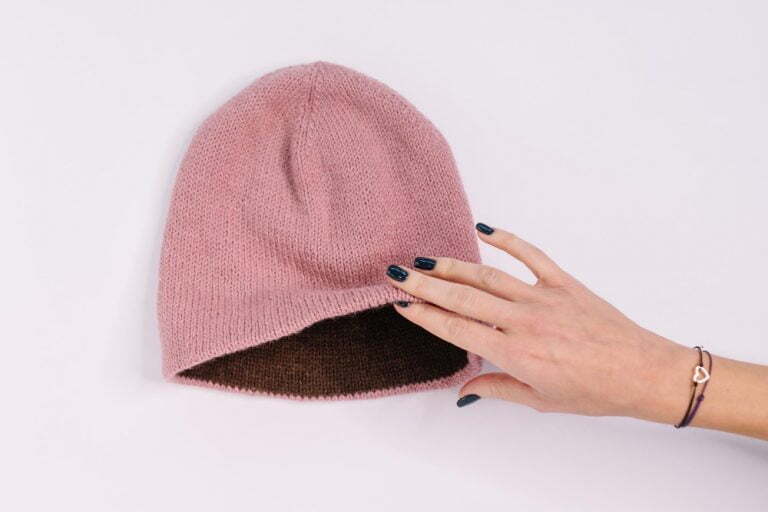
Proper identification of stiff or scratchy yarn is crucial for effective softening techniques. Understanding the underlying cause—whether stemming from fiber type, manufacturing process, or construction—allows for targeted solutions and prevents unnecessary treatments. Misidentification can lead to ineffective or even damaging results, emphasizing the importance of careful analysis.
Characteristics of Stiff or Scratchy Yarn
Identifying stiff or scratchy yarn involves recognizing specific characteristics. Stiffness is often perceived as a lack of flexibility, while scratchiness is a tactile sensation of roughness. Both traits can stem from various factors, making careful examination essential.
- Visual Inspection: Observe the yarn’s overall appearance. A stiff yarn might appear less pliable and have a less rounded profile. Scratchiness might manifest as unevenness in the yarn’s surface or visible irregularities.
- Tactile Assessment: Directly touch and manipulate the yarn. A stiff yarn will resist bending and folding. Scratchiness is felt as a rough or prickly sensation when touched.
- Fiber Analysis: The inherent nature of the fiber plays a significant role. Certain fibers, like wool or acrylic, can be inherently more prone to stiffness or scratchiness depending on their specific processing. For example, unevenly processed wool fibers might be more prone to scratchiness than those with uniform treatment.
- Construction Evaluation: The way the yarn is constructed also influences its texture. Tightly twisted yarns or those with irregular plies will likely feel stiffer or scratchier than loosely spun yarns with even plies.
- Processing History: Yarn treatment methods can affect the final texture. Excessive chemical treatments, incorrect dyeing procedures, or improper finishing processes can lead to undesirable stiffness or scratchiness.
Differentiating Types of Stiffness or Scratchiness
Distinguishing between different causes of stiffness or scratchiness requires careful attention to detail. The root cause will dictate the most appropriate softening methods.
- Fiber-related Stiffness/Scratchiness: Certain fibers are inherently more rigid than others. For example, some acrylics are more prone to stiffness than others due to variations in the manufacturing process. Natural fibers like wool, if not processed correctly, can be scratchy.
- Construction-related Stiffness/Scratchiness: The construction of the yarn, including the number of plies and the twist, greatly affects its feel. A tightly twisted, single-ply yarn will be stiffer than a loosely spun, multi-ply yarn.
- Processing-related Stiffness/Scratchiness: Chemical treatments, dyeing methods, and finishing processes can significantly impact the yarn’s texture. Excessive chemical treatment or incorrect drying can cause unwanted stiffness or scratchiness.
Examples of Stiff or Scratchy Yarn Types
Certain yarn types are inherently more prone to stiffness or scratchiness.
- Acrylic Yarns: Some acrylic blends can be quite stiff, especially if they are not processed with a focus on softness. Variations in the processing methods significantly affect the end result.
- Certain Wool Yarns: Wools with uneven fibers or those processed in a way that creates a rougher surface will feel scratchy.
- Tightly Twisted Yarns: Yarns with a high twist count are often stiff due to the tightly wound fibers.
Importance of Correct Identification
Proper identification of the cause is crucial before applying softening techniques. Incorrectly identifying the issue may result in ineffective treatment or even damage the yarn. For instance, if the stiffness is due to fiber composition, a softening technique that focuses on the construction will likely not be effective.
Comparison of Yarn Types
The following table provides a concise comparison of different yarn types, highlighting their fiber composition, construction, and typical stiffness/scratchiness characteristics.
| Yarn Type | Fiber Composition | Construction Method | Typical Stiffness/Scratchiness |
|---|---|---|---|
| Acrylic | Acrylic | Various, often single ply or loosely plied | Can be stiff or scratchy depending on processing |
| Wool | Wool | Often spun or plied | Can be stiff or scratchy if not processed properly |
| Cotton | Cotton | Often carded or combed | Generally soft, but can be stiff if processed improperly |
| Silk | Silk | Generally spun or plied | Generally soft and smooth |
Understanding the Causes of Stiffness and Scratchiness
A crucial step in addressing stiff or scratchy yarn is understanding the root causes. This involves examining the interplay of fiber characteristics, the spinning process, and finishing treatments. These factors significantly influence the final texture of the yarn, affecting its comfort and suitability for various applications.Understanding the origins of stiffness and scratchiness allows for targeted solutions, leading to yarn that is both aesthetically pleasing and user-friendly.
Different approaches are required depending on the specific cause. By delving into these contributing factors, we can gain a deeper insight into the characteristics of various yarn types.
Fiber Type Influence
Different natural and synthetic fibers exhibit varying inherent properties that contribute to their texture. Wool, for example, is known for its natural crimp and ability to absorb moisture, which often results in a soft and comfortable feel. Acrylic, while synthetic, can be processed to mimic the softness of wool, but its inherent structure can also contribute to stiffness if not carefully processed.
Cotton, a natural fiber, is typically soft and breathable, but its texture can be influenced by processing techniques. Understanding these inherent differences in fiber types is fundamental to appreciating the impact of processing steps.
Spinning Method Impact
The method used to spin the fibers significantly affects the yarn’s final texture. For example, a tightly spun yarn will generally feel stiffer than a loosely spun yarn. Different spinning techniques, such as ring spinning, rotor spinning, or air-jet spinning, will create distinct textures, affecting the yarn’s softness and the way it handles. A detailed understanding of the spinning process is critical in predicting and mitigating the risk of stiff or scratchy yarns.
Finishing Treatments and Their Effects
Finishing treatments play a critical role in shaping the yarn’s final texture. These treatments can either enhance softness or inadvertently introduce stiffness. Treatments like mercerization can improve cotton’s luster and softness, while certain chemical finishes may contribute to a scratchy or stiff feel. The specific finishing process and its parameters greatly influence the yarn’s overall texture.
Table of Typical Causes of Stiffness and Scratchiness
| Yarn Type | Cause Category | Specific Cause | Mitigation Strategies |
|---|---|---|---|
| Wool | Fiber Properties | High shrinkage potential, if not properly processed | Proper cleaning and finishing techniques, careful drying |
| Acrylic | Fiber Properties | Can be stiff if not processed correctly | Optimize the spinning process, use appropriate finishing treatments |
| Cotton | Finishing Treatments | Harsh chemical treatments, inadequate finishing | Using gentler finishing processes, careful control of chemical treatments |
| All Types | Spinning Method | Tight spinning or improper twist | Optimize the spinning process for desired yarn texture |
| All Types | Environmental Factors | Exposure to harsh chemicals or excessive heat during processing | Proper environmental control, careful material handling |
Methods for Softening Stiff or Scratchy Yarn
Several methods exist to alleviate the scratchiness and stiffness of yarn, ranging from simple natural treatments to more involved chemical processes. Understanding the underlying causes of the issue, such as the fiber type and manufacturing process, is crucial in selecting the most appropriate approach. The choice between natural and chemical treatments often depends on personal preferences, the desired level of softness, and potential environmental impact.Effective softening methods can significantly enhance the comfort and feel of the finished project.
This section explores various techniques, emphasizing both natural and chemical approaches, and highlighting the potential benefits and drawbacks of each. Detailed procedures and comparisons are provided to aid in making informed decisions.
Natural Softening Methods
Natural methods for softening yarn often involve using readily available ingredients and are generally considered gentler on the fibers compared to chemical treatments. These techniques utilize natural compounds to help break down surface friction and improve the yarn’s drape. Many of these methods have been used for centuries in traditional textile practices.
Vinegar Softening
Vinegar, a common household acid, can effectively soften scratchy yarns by breaking down the surface tension of the fibers. This process can make the yarn more pliable and reduce its scratchiness.
- Vinegar’s acidity helps to loosen the fibers, allowing them to interlock more easily. This can result in a noticeable improvement in the yarn’s softness and drape.
- The process is generally straightforward and requires minimal specialized equipment.
Step-by-Step Procedure for Vinegar Softening
- Mix equal parts of white vinegar and water in a bowl. Use a ratio of approximately 1:1.
- Submerge the yarn in the vinegar solution, ensuring all sections are fully saturated.
- Allow the yarn to soak for a minimum of 30 minutes. For heavily scratchy yarns, increase soaking time to 2 hours.
- Gently squeeze out excess moisture from the yarn. Avoid wringing, as this can damage the fibers.
- Rinse the yarn thoroughly under cool water until all traces of vinegar are removed.
- Lay the yarn flat to dry, preferably in a well-ventilated area, away from direct sunlight.
Lemon Juice Softening
Lemon juice, another natural acidic agent, can also soften yarn by similar mechanisms to vinegar. The citric acid in lemon juice helps to break down surface tension and increase fiber flexibility.
- Lemon juice’s gentle action makes it a suitable choice for delicate or natural fiber yarns.
- The method is environmentally friendly and generally inexpensive.
Comparison of Natural Softening Methods
| Method | Ingredients | Procedure | Effectiveness |
|---|---|---|---|
| Vinegar Softening | White vinegar, water | Mix equal parts vinegar and water, soak yarn, rinse, and dry. | Generally effective for various yarn types, especially those with noticeable stiffness. |
| Lemon Juice Softening | Lemon juice, water | Dilute lemon juice with water, soak yarn, rinse, and dry. | Effective for delicate yarns, but may not be as potent as vinegar for heavily scratchy yarns. |
Chemical Treatments for Softening Yarn
Chemical treatments offer a means to significantly reduce the stiffness and scratchiness of various yarn types. These methods, while effective, necessitate careful consideration of potential risks and the specific characteristics of the yarn being treated. Understanding the different types of chemical softeners and their application procedures is crucial for achieving optimal results and minimizing adverse effects.
Commercial Softening Agents and Their Effectiveness
Commercial softening agents, often containing silicone-based polymers, are widely used to impart softness to yarns. Their effectiveness depends on the type of yarn and the specific softener used. Natural fibers like wool and cotton often respond well to these treatments, while synthetic fibers like nylon and polyester may require more aggressive or specialized approaches. The goal of these treatments is to coat the yarn fibers with a softening agent, creating a barrier that reduces friction and improves the yarn’s overall feel.
Types of Commercial Softening Agents
A variety of commercial softening agents are available, each with unique chemical compositions. These include silicone-based softeners, quaternary ammonium compounds, and various blends designed for specific yarn types. Silicone-based softeners, known for their excellent lubricating properties, are frequently used in commercial applications. Quaternary ammonium compounds, while effective, may pose more significant environmental concerns than silicone-based softeners. The specific chemical composition of a softener directly impacts its effectiveness and potential risks.
Application Procedures for Different Softening Agents
The proper application of commercial softening agents is essential for achieving the desired outcome. Different application methods exist, including soaking, spraying, and incorporating the softener during the spinning or weaving process. The specific procedure should always adhere to the manufacturer’s instructions, taking into account the type of yarn and the concentration of the softener. Improper application can lead to uneven softening or damage the yarn.
For example, applying a highly concentrated softener to delicate fibers like silk may result in damage or undesirable effects.
Comparison of Commercial Softening Agents
| Softener Type | Ingredients | Application Methods | Potential Risks |
|---|---|---|---|
| Silicone-based softeners | Silicone polymers, often with other additives | Soaking, spraying, or incorporation during processing | Generally low risk of significant damage to fibers; however, excessive use can cause a build-up of residue. Some environmental concerns exist with improper disposal. |
| Quaternary ammonium compounds | Various quaternary ammonium salts | Soaking, spraying, or incorporation during processing | Potentially more environmentally impactful than silicone-based softeners. Some individuals may experience allergic reactions. |
| Blends (e.g., silicone and other softeners) | Blends of various softening agents | Dependent on the specific blend; often similar to the application of individual components | Potential risks depend on the specific ingredients and concentrations; generally considered safer than pure quaternary ammonium compounds. |
Techniques for Yarn Conditioning
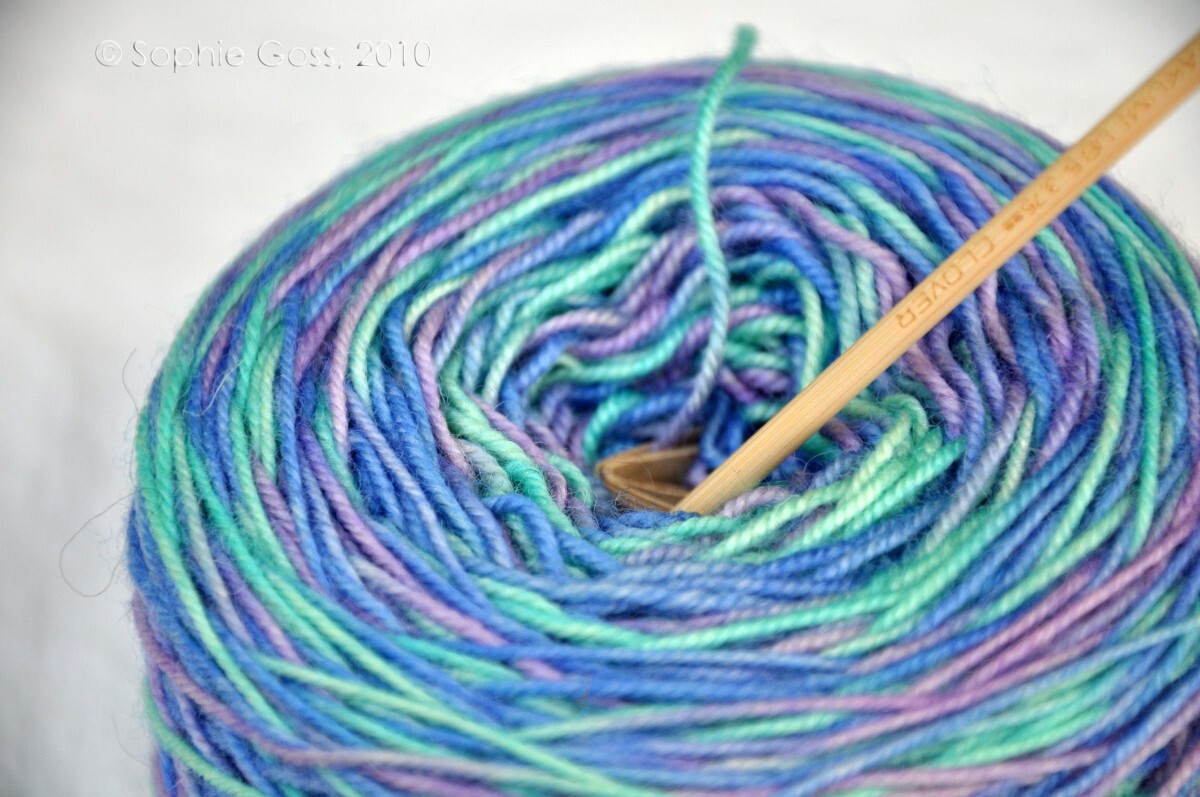
Yarn conditioning is a crucial step in handling and working with yarn, ensuring optimal performance and preventing undesirable characteristics like stiffness and scratchiness. Proper conditioning helps maintain the yarn’s inherent properties and facilitates smooth processing, from initial handling to final product creation. Understanding and applying these techniques is essential for achieving the desired tactile and aesthetic qualities in finished textiles.Proper yarn conditioning involves adjusting the yarn’s moisture content and surrounding environment to align with its inherent properties and intended use.
This process is vital to minimize stiffness and scratchiness, while enhancing the overall handling characteristics and improving the yarn’s responsiveness to further processing.
Importance of Yarn Conditioning
Proper conditioning prevents the undesirable characteristics of yarn, like stiffness and scratchiness. By controlling the moisture content and surrounding environment, the yarn’s fibers maintain their flexibility and softness, leading to a more pleasant user experience. This process ensures the yarn remains receptive to further processing, from dyeing to weaving, thus enhancing the final product’s quality.
Techniques for Conditioning Yarn Before Use
Pre-use conditioning is critical to ensure yarn is ready for processing. Different techniques are employed depending on the yarn type and intended use. For instance, some yarns might benefit from a controlled humidification process, while others may require a specific temperature range. The objective is to ensure the yarn’s moisture content is balanced and its fibers are pliable.
- Controlling Relative Humidity (RH): Adjusting the relative humidity (RH) in the workspace is a key element in yarn conditioning. A balanced RH prevents the yarn from absorbing or losing moisture too quickly, thereby maintaining its consistent moisture content. This consistent moisture content is crucial for avoiding abrupt changes in the yarn’s structure and its subsequent stiffness. Maintaining an optimal RH level is critical for both pre-use and storage, as these changes affect the yarn’s final properties.
- Controlled Temperature: Maintaining a stable temperature is equally important. Temperature fluctuations can affect the yarn’s moisture content and subsequently its flexibility. A consistent temperature environment is necessary for preventing moisture-related changes in the yarn’s structure and its subsequent stiffness.
- Conditioning Time: The duration of conditioning depends on the type of yarn and the desired moisture content. Some yarns may require extended conditioning periods to reach the optimal moisture level, while others may respond more quickly. Careful observation and adjustment are essential for determining the most effective conditioning time.
Environmental Impact on Yarn Stiffness
Environmental conditions significantly impact yarn stiffness. High temperatures and low humidity often cause yarns to become drier, leading to stiffness and scratchiness. Conversely, excessively high humidity can make yarns too moist, impacting their handling and processing. The interplay between temperature and humidity directly influences the yarn’s moisture content and, consequently, its stiffness.
| Environmental Condition | Effect on Yarn |
|---|---|
| High Temperature, Low Humidity | Yarn becomes drier, stiffer, and more scratchy. |
| Low Temperature, High Humidity | Yarn becomes more moist, potentially leading to stickiness and reduced strength. |
| Stable Temperature and Humidity | Yarn maintains consistent moisture content, remaining flexible and soft. |
Yarn Conditioning Procedures in Different Situations
The conditioning procedures vary depending on the specific situation. For instance, a humid environment may necessitate different techniques compared to a dry environment.
Step-by-Step Guide: Conditioning Yarn in a Dry Environment
- Assess the Environment: Determine the current relative humidity (RH) and temperature of the workspace. This initial assessment helps in determining the appropriate conditioning methods.
- Adjust the Environment: Implement measures to increase the humidity. This might involve using humidifiers, placing water trays in the area, or other methods to raise the RH to a suitable level. Specific methods will vary depending on the scale of the environment.
- Conditioning Time: Monitor the yarn’s moisture content and adjust the conditioning time as needed. Observation is key to ensuring the yarn reaches the optimal moisture level without becoming excessively moist.
- Regular Monitoring: Regularly check the RH and temperature to maintain the desired conditions. Consistent monitoring ensures the yarn remains properly conditioned and ready for processing.
Prevention of Stiff or Scratchy Yarn

Preventing stiff or scratchy yarn involves proactive measures throughout the production process. By carefully selecting fibers, employing appropriate spinning techniques, and implementing meticulous finishing procedures, manufacturers can significantly reduce the likelihood of undesirable textures. Furthermore, proper storage conditions play a critical role in maintaining the yarn’s softness and preventing damage.
Fiber Selection
The inherent properties of the fibers used directly influence the final texture of the yarn. Selecting fibers known for their softness and flexibility is paramount. For example, using a blend of merino wool and silk fibers can create a soft, luxurious yarn compared to a yarn made entirely from stiff cotton. Careful consideration of fiber quality and characteristics, including the presence of impurities or defects, is crucial.
Different fibers exhibit varying levels of natural softness, which should be taken into account when making yarn selections.
Spinning Techniques
The spinning process significantly impacts the yarn’s final characteristics. Optimal spinning techniques ensure that fibers are uniformly entangled and twisted, resulting in a smooth and soft yarn structure. Improper twisting can lead to unevenness, causing stiffness or scratchiness. Careful control of the spinning speed, tension, and twist are critical for producing a soft yarn. The degree of twist applied during the spinning process is a key determinant of the yarn’s strength, elasticity, and softness.
Finishing Processes
Yarn finishing processes are essential in achieving the desired softness and drape. Proper finishing treatments can significantly improve the yarn’s texture and reduce any inherent stiffness. Techniques such as mercerization or application of specialized softeners can effectively alter the yarn’s surface properties. The application of sizing agents and lubricants during the spinning process also affects the final feel of the yarn.
Storage Conditions
Storage conditions significantly influence the texture of yarn. Exposure to extreme temperatures, humidity, or direct sunlight can cause the yarn to become stiff or brittle. Improper storage can also lead to the accumulation of dust and dirt, further contributing to a scratchy feel. The correct storage environment will maintain the yarn’s original softness. Protecting yarn from moisture is essential to prevent damage and maintain its softness.
Recommended Practices for Storage and Handling
To maintain yarn softness during storage and handling, several practices are recommended. Store yarn in a cool, dry, and well-ventilated area away from direct sunlight and extreme temperatures. Use appropriate packaging materials to protect the yarn from dust and moisture. Handle the yarn gently to avoid kinks or tangles that can affect its softness. Proper labeling and inventory control systems are essential to maintain yarn quality and prevent confusion.
Preventative Measures for Stiff or Scratchy Yarn
| Stage | Action | Rationale | Expected Outcome |
|---|---|---|---|
| Fiber Selection | Choose soft, flexible fibers with minimal impurities. | Soft fibers inherently produce soft yarn. | Soft, smooth yarn with minimal scratchiness. |
| Spinning | Maintain consistent spinning speed and tension. | Even twist and tension produce a uniform yarn structure. | Smooth, uniform yarn with reduced stiffness. |
| Finishing | Implement appropriate finishing treatments. | Finishing processes enhance softness and reduce friction. | Soft, flexible yarn with improved drape and reduced scratchiness. |
| Storage | Store in a cool, dry, and well-ventilated area. | Avoid moisture and temperature extremes. | Preservation of yarn’s original softness and reduced risk of damage. |
Final Review
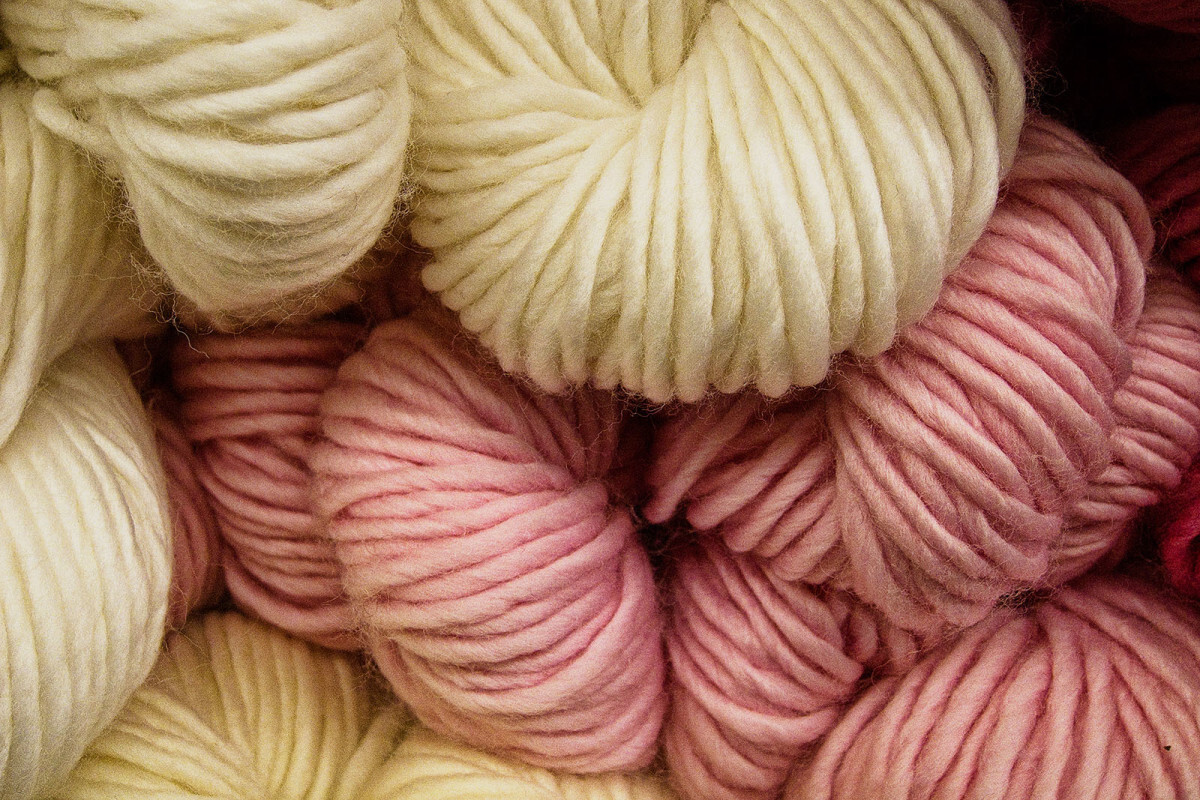
In conclusion, this comprehensive guide has provided a thorough understanding of softening stiff or scratchy yarn. We’ve explored various methods, from natural treatments to chemical options, and highlighted the importance of yarn conditioning. By combining the insights gained in identifying the cause with the right techniques, you can now confidently transform even the most problematic yarns into soft, luxurious materials suitable for any crafting project.
Remember, prevention is key, and implementing the preventative measures discussed will help maintain the desirable texture of your yarn throughout its lifecycle.