Unveiling the secrets hidden within a yarn label is crucial for any knitter, crocheter, or yarn enthusiast. This guide provides a comprehensive overview of how to decipher yarn labels, ensuring you select the perfect yarn for your project and care for it effectively. From understanding fiber content to deciphering care instructions, this resource will equip you with the knowledge to confidently navigate the world of yarn.
By understanding the information found on a yarn label, you can make informed decisions about yarn selection. This includes factors like fiber composition, weight, and care instructions, all of which significantly impact the final product’s appearance and longevity. Proper interpretation ensures your project meets your aesthetic expectations and that your yarn remains in excellent condition throughout the crafting process.
Understanding Yarn Label Components
Yarn labels, often small and seemingly insignificant, hold crucial information about the yarn’s characteristics. Understanding these details is essential for selecting the right yarn for a project, ensuring the finished product meets expectations, and preventing costly mistakes. Proper interpretation of yarn labels guarantees a satisfying crafting experience.Yarn labels provide a wealth of information, from the basic fiber content to more specific details about the yarn’s construction and care instructions.
This information, while seemingly technical, is fundamental to understanding the yarn’s properties and ensuring successful knitting or crocheting projects.
Typical Yarn Label Information
Yarn labels typically contain a range of information, including fiber content, weight, care instructions, and sometimes details about the yarn’s construction or manufacturer. This comprehensive data helps crafters choose yarns that match their project requirements and maintain the quality of the finished product.
Examples of Yarn Label Structures
Different yarn types may present their label information in various formats. A superwash wool yarn might highlight the wool content, the percentage of superwash treatment, and the weight per ball. A blended acrylic yarn label might specify the percentages of acrylic and other fibers, along with the weight. Each label provides relevant details specific to the yarn’s composition.
Common Yarn Label Elements
| Label Element | Description | Importance |
|---|---|---|
| Fiber Content | Specifies the percentage of each fiber type in the yarn. | Crucial for determining the yarn’s properties, such as drape, warmth, and durability. Matching the fiber content to the project ensures the finished product meets expectations. |
| Weight | Indicates the weight of the yarn ball, skein, or equivalent unit. | Essential for calculating the yarn needed for a project. It influences the speed and ease of the project. |
| Care Instructions | Provides guidance on how to wash and maintain the yarn. | Preserves the quality and longevity of the yarn. Proper care prevents damage or changes in the yarn’s texture. |
| Ball/Skein Weight | Describes the exact weight of the ball or skein. | Allows for precise calculations for project planning, reducing errors. |
Importance of Accurate Interpretation
Accurate interpretation of yarn label information is paramount for a successful project. Misinterpreting the fiber content could lead to a finished product that does not meet expectations in terms of texture, durability, or appearance. Similarly, miscalculating the required yarn amount can result in insufficient material or, conversely, excessive waste.
Yarn Label Symbols
Understanding the symbols on a yarn label can provide additional information about the yarn’s care, origin, or other details. A common symbol, for example, might indicate the yarn’s washing temperature.
- Washing Symbol: A circle with a symbol inside. This symbol can indicate the maximum temperature for washing, whether the yarn can be machine-washed, or if it needs hand-washing.
- Drying Symbol: A square or rectangle containing a symbol, indicating whether the yarn can be tumble-dried, line-dried, or air-dried.
- Ironing Symbol: A symbol showing the appropriate ironing settings for the yarn. This might indicate the maximum temperature or the need for a specific setting, like low or no iron.
- Bleaching Symbol: A symbol showing whether the yarn can be bleached or not.
- Manufacturer Information: This might include the manufacturer’s logo, location, or other details about the production process.
Deciphering Fiber Content

Understanding the fiber content of yarn is crucial for selecting the right yarn for a project. Different fibers exhibit varying characteristics, impacting the final product’s appearance, feel, and durability. A thorough understanding of fiber content allows you to choose yarns that meet your specific project needs and desired outcomes.
Significance of Fiber Content for Project Suitability
Knowing the fiber content is essential for matching the yarn to the intended project. A project requiring a durable, hard-wearing fabric would necessitate a yarn with a high percentage of strong fibers, like wool or linen. Conversely, a project prioritizing softness and drape, such as a delicate scarf, might benefit from a yarn with a higher percentage of silk or cotton.
Mismatched fiber content can lead to difficulties during the creation process or a final product that doesn’t meet expectations.
Comparison of Different Fiber Types
Fiber types significantly influence the final product. Wool, renowned for its warmth and resilience, is a popular choice for sweaters and blankets. Cotton, a natural fiber known for its softness and breathability, is often used in clothing and home textiles. Acrylic, a synthetic fiber, offers affordability and a wide range of colors and textures, making it suitable for a variety of projects.
Each fiber type possesses unique properties that impact the final product’s characteristics.
Identifying Fiber Percentages in a Blend
Yarn labels typically indicate the percentage of each fiber in a blend. For example, a label stating “50% wool, 50% acrylic” reveals a blend of these two fibers. Precisely understanding these percentages is crucial for predicting the final product’s characteristics.
Importance of Fiber Content in Determining Product Characteristics
The final product’s characteristics, including durability, drape, warmth, and appearance, are directly related to the yarn’s fiber content. A yarn with a high percentage of a durable fiber like linen will produce a more durable garment than one made with a soft, less durable fiber like cotton. Likewise, a yarn rich in wool will provide more warmth than one primarily made from a breathable fiber like rayon.
Fiber Type Comparison Table
| Fiber Type | Durability | Drape | Warmth | Other Notable Characteristics |
|---|---|---|---|---|
| Wool | High | Moderate | High | Resilient, water-resistant (to some degree), natural insulation |
| Cotton | Moderate | Good | Low | Soft, breathable, hypoallergenic, absorbs moisture |
| Acrylic | Low | Moderate | Low | Affordable, readily available, variety of colors and textures |
| Silk | Moderate | Excellent | Moderate | Luxurious, smooth, lustrous, drapes beautifully |
Interpreting Care Instructions
Proper care instructions are crucial for maintaining the quality and longevity of your yarn. Following these guidelines helps prevent damage and ensures your project retains its intended beauty and texture. Understanding the care recommendations allows you to make informed decisions about how to handle your yarn, preserving its integrity and preventing costly mistakes.
Significance of Care Instructions
Understanding yarn care instructions is essential for preventing damage and preserving the yarn’s quality. Proper care extends the lifespan of the yarn, allowing you to use it for various projects without compromising its properties. Different fibers respond differently to various treatments, and ignoring care instructions can lead to shrinkage, color fading, or even damage that may render the yarn unusable.
Common Care Instructions
Care instructions typically address washing, drying, and ironing procedures. These methods significantly impact the yarn’s appearance and integrity. Washing, for instance, can cause shrinking, while incorrect drying can lead to uneven shrinkage or damage. Ironing, if not performed according to the instructions, may cause scorching or discoloration. Following these instructions carefully is key to maintaining the yarn’s condition and preventing irreversible damage.
Identifying Washing Methods
Care instructions often specify whether a yarn is suitable for machine washing or requires hand washing. Machine washing can be suitable for some yarns, but others are best handled delicately by hand to prevent damage. The care label will usually indicate the appropriate method. For example, delicate yarns like silk or wool should be hand-washed to avoid damage from agitation in a machine.
Identifying Drying Procedures
Drying instructions specify whether the yarn should be air-dried or tumble-dried. Air drying is often recommended for delicate fibers to avoid excessive heat or potential shrinkage. Tumble drying, on the other hand, may be appropriate for certain yarns but must be done at a low temperature to prevent damage. Carefully check the drying instructions to ensure the yarn’s integrity is maintained.
Examples of Care Instructions for Different Yarn Types
Different yarn types require different care instructions. For instance, wool yarns often require hand washing in cool water and air drying. Acrylic yarns, on the other hand, might be suitable for machine washing on a gentle cycle, followed by air drying. Knowing the specific requirements of the yarn you’re working with is essential for preserving its quality.
Care Instructions Table
| Yarn Type | Washing | Drying | Ironing | Potential Hazards | Precautions |
|---|---|---|---|---|---|
| Wool | Hand wash in cool water | Air dry | Low heat, if necessary | Machine washing, high heat, harsh chemicals | Avoid excessive agitation, use mild detergent |
| Acrylic | Machine wash, gentle cycle | Air dry or low heat tumble dry | Low heat, if necessary | High heat, harsh chemicals | Check care label for specific temperature recommendations |
| Silk | Hand wash in cool water | Air dry flat | Do not iron | Machine washing, high heat, harsh chemicals | Use a mild detergent, avoid harsh agitation |
| Cotton | Machine wash, gentle cycle | Air dry or low heat tumble dry | Medium heat | High heat, bleach | Follow care label instructions for optimal results |
Understanding Weight and Ball/Skein Measurements
Knowing the weight of yarn is crucial for accurate project planning. Different yarn weights have distinct characteristics, affecting the look and feel of the finished project, and the amount of yarn required. This section details yarn weight classifications and how to determine the yardage per ball, allowing for precise calculations for your projects.
Yarn Weight Classifications
Yarn weights are categorized to reflect the yarn’s thickness and the resulting project size. Understanding these classifications helps match the right yarn to your project. Common yarn weights include:
- Bulky: This weight is the thickest and is best for quick projects, like blankets or throws.
- Super Bulky: Even larger than Bulky, this weight is ideal for creating incredibly chunky items.
- Worsted: A medium-weight yarn, Worsted is a popular choice for sweaters, garments, and accessories.
- DK (Double Knit): This weight is slightly thinner than Worsted, ideal for smaller projects and garments.
- Sport: A lightweight yarn, Sport is suited for smaller projects and accessories.
- Fine: The thinnest weight, Fine yarn is used for intricate projects and lacework.
Measuring Yarn Weight and Yardage
The weight of a ball or skein of yarn is often expressed in grams (g) or ounces (oz). The yardage (the length of the yarn) is an equally important consideration. Yarn manufacturers typically provide this information on the label.
Precise measurement of yardage is crucial for accurate project planning.
A standard way to measure yarn yardage is to unwind a skein and measure the total length. This can be accomplished with a measuring tape or a piece of string and a ruler. The yarn weight and yardage are directly related: heavier yarns will have fewer yards per ball/skein compared to lighter yarns.
Yarn Weight Comparison Table
The table below provides a general guideline of approximate yardage for various yarn weights. Note that these are approximate values and can vary depending on the specific yarn.
| Yarn Weight | Approximate Yardage (per 100g/3.5 oz) |
|---|---|
| Bulky | 150-250 yards |
| Super Bulky | 100-150 yards |
| Worsted | 250-350 yards |
| DK | 350-450 yards |
| Sport | 450-550 yards |
| Fine | 550-700+ yards |
Yarn Weight Conversions and Project Planning
Understanding yarn weight conversions is essential for accurate project planning. If a pattern calls for a specific yarn weight and you’re using a different weight, you need to adjust the amount of yarn needed. For example, if a pattern requires 200g of DK weight yarn and you’re using Worsted weight yarn, you’ll likely need less than 200g to achieve the same outcome.For instance, if a project requires 100g of worsted weight yarn and you want to use DK weight yarn instead, you would likely need less than 100g.
Use the table above to find the approximate yardage per 100g for the yarn you’re using, then use the desired project’s specifications to calculate the exact yarn amount required. This calculation helps prevent errors in the amount of yarn used and ensures the project’s desired size and look are achieved.
Identifying Special Features and Characteristics
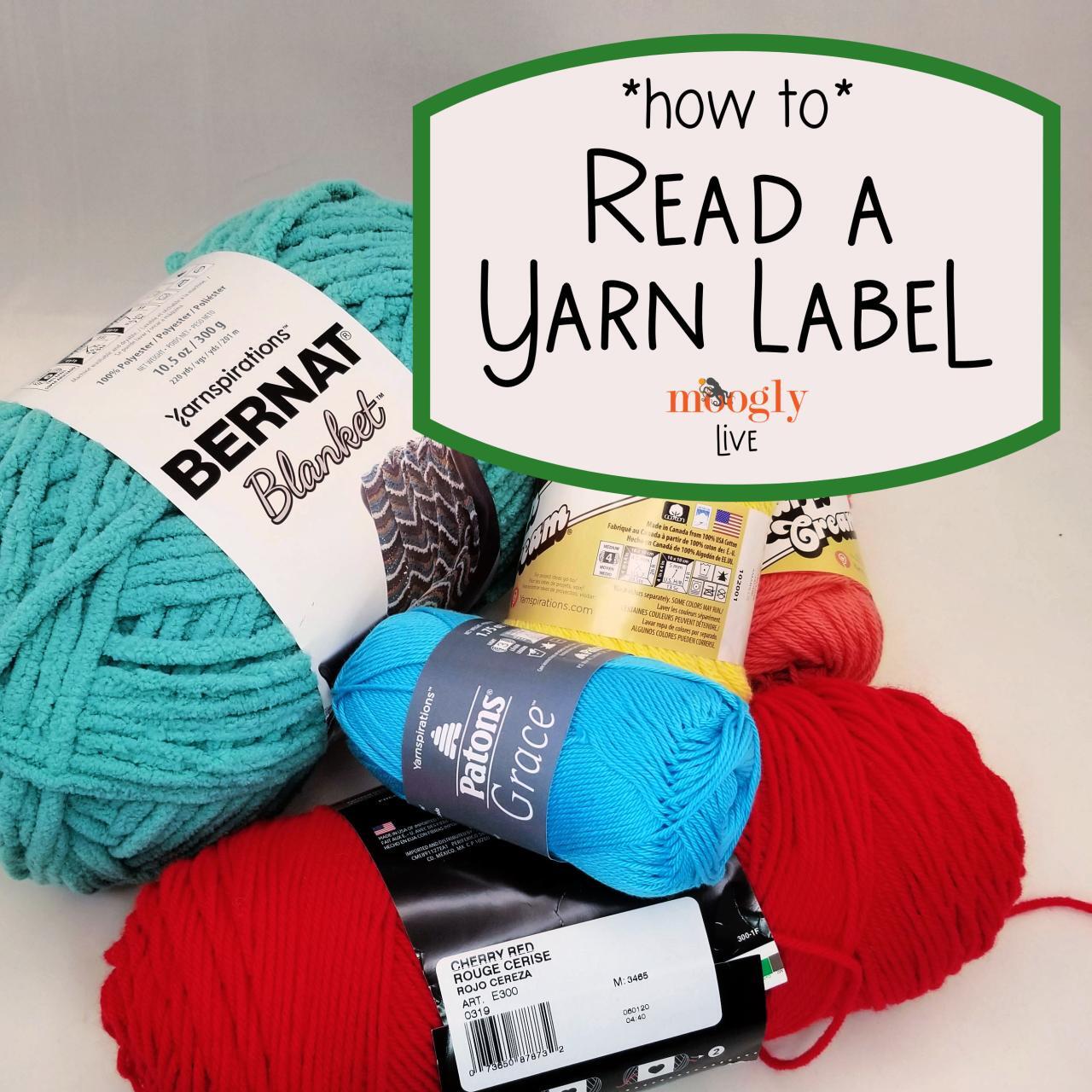
Understanding the unique features and characteristics of a yarn is crucial for selecting the right yarn for your project. Yarn labels often highlight special properties like sheen, texture, or stitch definition, which can significantly impact the final look of your finished piece. By recognizing these features, you can confidently match your yarn to your desired aesthetic and create a project that truly reflects your vision.
Identifying Unique Features
Yarn labels frequently describe unique characteristics, providing valuable insights into the yarn’s potential. These descriptions allow you to anticipate the final appearance of your project and make informed decisions. Understanding the subtle differences in yarn can elevate your craft and allow you to create truly exceptional projects.
Examples of Special Features and Their Impact
Special features like a soft sheen, a pronounced texture, or excellent stitch definition can dramatically alter the finished project’s aesthetic. For instance, a yarn with a subtle sheen might create a sophisticated, polished look, while a yarn with a rough texture could lend a rustic charm to your work. The clarity of stitch definition can significantly impact the overall appearance, making intricate patterns pop or creating a more subtle, less defined look.
Differentiating Yarns with Specific Characteristics
Identifying yarns with specific characteristics, such as superwash wool or mercerized cotton, is essential for successful project outcomes. Superwash wool, for example, is treated to be machine washable, a crucial consideration for ease of care. Mercerized cotton, on the other hand, often boasts a lustrous sheen and a smooth texture, making it suitable for projects demanding a high level of elegance.
Comparison of Yarn Types with Special Characteristics
| Yarn Type | Special Characteristic | Implications on Project Design |
|---|---|---|
| Superwash Wool | Machine washable | Suitable for projects where frequent washing is necessary, such as garments or accessories. |
| Mercerized Cotton | Lustrous sheen, smooth texture | Excellent for projects requiring a polished or elegant appearance, such as fine linens or delicate garments. |
| Alpaca | Soft, luxurious feel | Ideal for creating luxurious garments or accessories, emphasizing warmth and comfort. |
| Acrylic | Durable, easy care | Excellent choice for quick projects, particularly those requiring durability or ease of maintenance, such as toys or blankets. |
| Silk | Smooth, lustrous sheen, delicate | Ideal for creating luxurious fabrics and garments, demanding care and attention to detail. |
Troubleshooting Label Misinterpretations

Understanding yarn labels is crucial for successful knitting and crocheting projects. However, errors in interpretation can lead to frustrating results. This section details common mistakes, potential consequences, and strategies for resolving ambiguities in yarn labels.Misinterpreting a yarn label can lead to several issues, from wasted materials to unusable finished projects. Carefully analyzing the label, paying attention to details, and understanding potential pitfalls can help avoid these issues and ensure a smooth project outcome.
Common Misinterpretations
A thorough understanding of the information presented on a yarn label is vital to prevent mistakes. Yarn labels can contain details on fiber content, care instructions, and ball/skein dimensions. Misinterpretations can stem from a lack of attention to detail or a misunderstanding of the specific terminology used. Common examples include mistaking a percentage for a weight, or misinterpreting the care symbols.
- Incorrect Fiber Content Calculation: A common mistake is adding up the percentages of fibers listed on the label without understanding the total must equal 100%. For instance, if a label shows 50% wool, 30% acrylic, and 20% nylon, the percentages add up to 100%. If one incorrectly calculates a different total, it could indicate a misinterpretation of the label or a miscalculation.
- Ambiguous Care Instructions: Care instructions, often represented by symbols, can be misinterpreted. For example, a symbol indicating “dry clean only” could be mistaken for “machine wash cold.” This can result in damage to the yarn, ruining the project. Carefully review the specific care instructions provided by the manufacturer.
- Misunderstanding Weight and Ball/Skein Measurements: Yarn weight and measurements are often crucial for pattern matching and calculating materials. A common mistake is confusing the label’s “weight” (e.g., DK, worsted) with the skein’s measurement. The label should clearly state both weight and skein dimensions, allowing accurate estimations of needed yarn.
- Ignoring Special Features: Some yarns might have special features, such as superwash treatment or specific stitch definition. Failure to recognize these features can result in unexpected results in the final project. Reading the full label carefully and checking for any additional information can prevent these issues.
Consequences of Misinterpretation
The consequences of misinterpreting yarn labels can range from minor inconveniences to significant project failures.
- Wasted Materials: If a label is misinterpreted regarding fiber content, the wrong yarn might be used, leading to a wasted purchase.
- Damaged Yarn: Improper care, based on a misinterpretation of the care instructions, can damage the yarn, rendering the project unusable.
- Unacceptable Project Results: Misunderstanding the yarn weight or ball/skein dimensions can lead to a project that doesn’t match the intended pattern or size. This can cause the project to be different from the original design, which may not be desirable.
Strategies for Resolving Label Ambiguities
Addressing any ambiguities on a yarn label requires careful analysis and, when necessary, contacting the manufacturer.
- Reviewing the Label Carefully: Double-checking the label’s information is crucial. Look for any unclear or ambiguous wording. Pay attention to the percentage of fiber content, care symbols, and dimensions.
- Comparing with Similar Yarns: If possible, compare the label to similar yarns of the same type. This can provide additional context to help understand the details on the label.
- Consulting Online Resources: Numerous online resources can help in deciphering yarn labels. Look for yarn label guides, articles, or forums dedicated to yarn craft.
- Contacting the Manufacturer: If the label remains unclear, contacting the manufacturer can provide essential clarification. Their customer support can help clarify any ambiguous points.
Common Issues and Solutions
Addressing common issues with yarn label information can streamline the knitting and crocheting process.
- Understanding Fiber Content Percentages: The percentages of each fiber in a yarn must add up to 100%. If they don’t, there could be a misprint or an error in the label.
- Deciphering Care Symbols: Consult a guide to yarn care symbols if you have trouble understanding the instructions.
- Troubleshooting Measurement Discrepancies: If a yarn label doesn’t match the actual ball or skein size, consult a guide or contact the manufacturer for clarification.
Troubleshooting Flowchart
<table border="1">
  <tr>
    <th>Question/Issue</th>
    <th>Possible Actions</th>
  </tr>
  <tr>
    <td>Do the fiber percentages add up to 100%</td>
    <td>Check the label carefully. Contact the manufacturer if needed.</td>
  </tr>
  <tr>
    <td>Are the care instructions unclear?</td>
    <td>Consult a guide to care symbols. Contact the manufacturer.</td>
  </tr>
  <tr>
    <td>Does the label's measurement match the yarn's?</td>
    <td>Compare with similar yarns. Check for misprints. Contact the manufacturer.</td>
  </tr>
</table>
Final Conclusion

In conclusion, mastering the art of reading yarn labels empowers you to choose the ideal yarn for your project and ensures its longevity. This guide has equipped you with the essential knowledge to interpret fiber content, care instructions, weight, and special characteristics, ultimately maximizing your crafting experience. By following the provided examples and tables, you can confidently select and care for your yarn, transforming your projects into works of art.