Hand-knit wool sweaters are exquisite garments, often imbued with unique artistry and warmth. Their delicate construction demands meticulous care to maintain their beauty and longevity. This guide provides a comprehensive approach to washing hand-knit wool sweaters, from initial preparation to post-washing care, ensuring your treasured garments remain in pristine condition for years to come.
This detailed guide will cover everything from understanding the varying needs of different wool types to the crucial steps for preventing shrinkage and damage. We will explore the nuances of hand-washing versus machine-washing, highlighting the benefits and drawbacks of each method. By following the detailed instructions, you’ll be able to preserve the unique character and exquisite beauty of your hand-knit wool sweater.
Introduction to Hand-Knit Wool Sweater Care
Hand-knit wool sweaters are cherished for their unique texture, intricate patterns, and the artistry woven into their very fibers. However, their delicate construction demands special care to maintain their beauty and longevity. Proper washing techniques are crucial for preserving their shape, vibrant colors, and preventing damage that can diminish their aesthetic appeal and overall quality. Avoiding common mistakes and understanding the variations in hand-knit sweaters, from lightweight to chunky designs, are essential steps in ensuring their continued enjoyment.Proper washing techniques are vital for preserving the integrity of hand-knit wool sweaters.
Ignoring these techniques can lead to shrinkage, color fading, and damage to the delicate stitches, ultimately shortening the lifespan of these treasured garments. Knowing the specific needs of different wool types and sweater styles will help extend their beauty and functionality.
Types of Hand-Knit Wool Sweaters
Hand-knit wool sweaters come in a wide variety of styles and designs. The weight and construction of the sweater can significantly influence the best washing method. Lightweight sweaters, often ideal for spring or fall, may require more delicate handling than chunky sweaters made for colder weather. The stitch patterns and yarn density also play a role in determining the appropriate care.
Understanding these variations is essential for preserving the garment’s appearance and integrity.
Wool Type and Washing Needs
Different types of wool react differently to washing. Understanding these variations ensures that your sweaters are cared for appropriately, extending their life and preserving their beauty.
| Wool Type | Washing Recommendations |
|---|---|
| Merino Wool | Merino wool is generally more resilient and can tolerate machine washing in a delicate cycle with a mild detergent. However, hand washing is often the best option to prevent shrinkage and maintain the wool’s softness. Always air dry. |
| Cashmere | Cashmere is exceptionally delicate and should always be hand-washed in lukewarm water. Use a gentle, wool-specific detergent. Never machine wash or tumble dry cashmere. Lay flat to dry. |
| Superwash Wool | Superwash wool has been treated to make it more machine-washable. However, a delicate cycle with a mild detergent and air drying are still recommended to maintain the best results. |
| Alpaca | Alpaca wool is a strong, naturally soft fiber. Hand washing is typically preferred, but a delicate machine wash cycle can be considered, using a wool-specific detergent. Always air dry. |
Note: Always consult the specific care instructions provided with the sweater for the most accurate recommendations.
Common Washing Mistakes to Avoid
Some common mistakes can damage your hand-knit wool sweaters. Avoiding these pitfalls is essential for maintaining their beauty and longevity.
- Using harsh detergents or excessive water temperatures. Harsh detergents can strip the natural oils from the wool, leading to dryness and damage. Warm or hot water can cause shrinkage.
- Machine washing without a delicate cycle. The agitation of a regular machine wash cycle can damage the delicate stitches and distort the shape of the sweater.
- Tumbling or wringing the sweater. These actions can cause significant shrinkage and distort the sweater’s shape.
- Using bleach or fabric softeners. These can damage the wool’s fibers, causing discoloration and loss of softness.
Gathering the Necessary Supplies
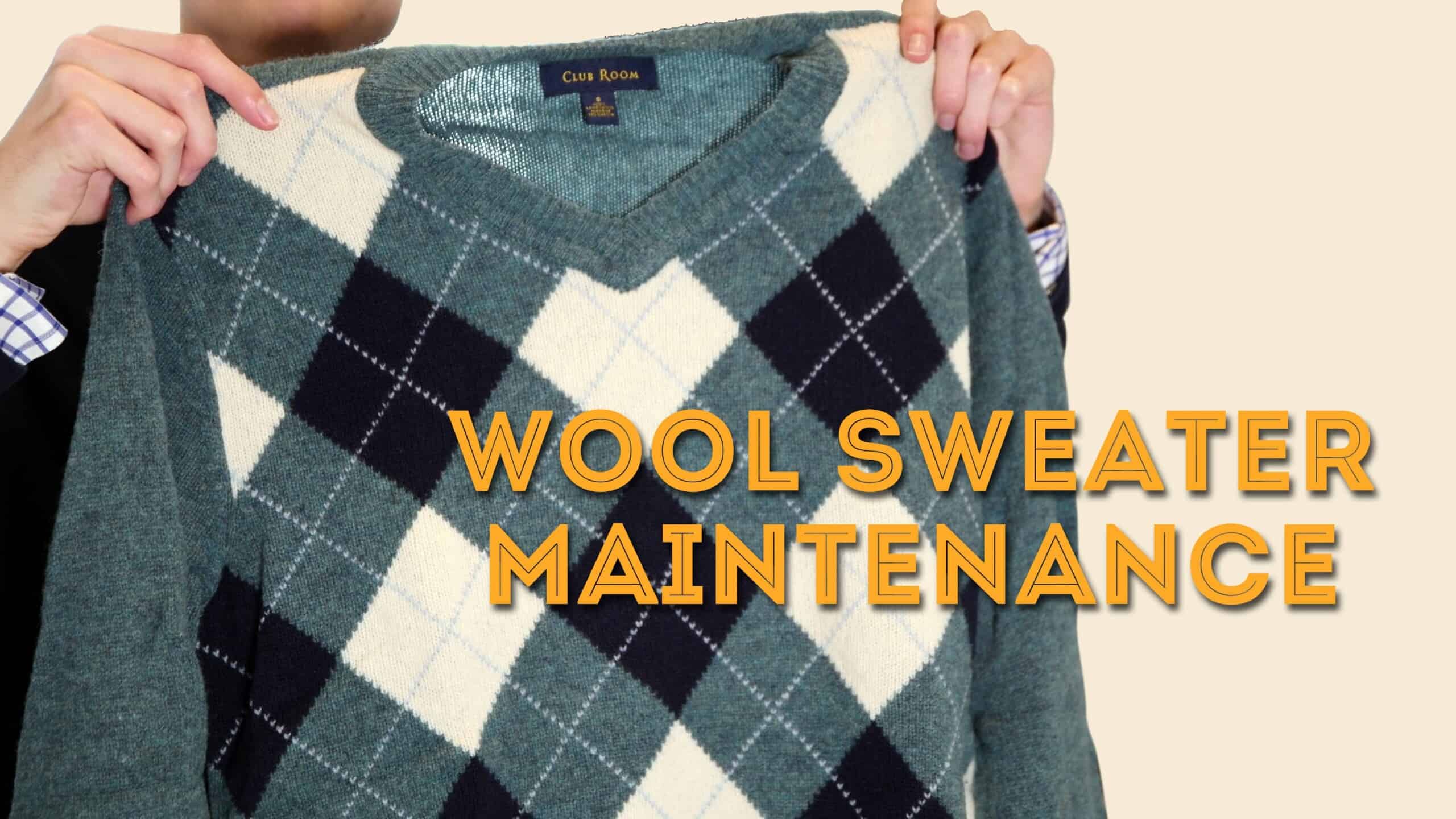
Properly washing a hand-knitted wool sweater requires careful consideration of the materials and techniques used. A well-chosen set of supplies and a cautious approach can prevent damage and ensure the sweater maintains its beauty and longevity. This section details the essential supplies for hand-washing and explores alternative methods, such as dry cleaning, along with considerations for detergents and water temperatures.
Essential Supplies for Hand Washing
Careful selection of supplies is crucial for preserving the delicate structure of hand-knitted wool. The following table Artikels the necessary items, their descriptions, and their functions.
| Item | Description | Function |
|---|---|---|
| Soft-bristled Brush | A brush with soft, fine bristles, ideal for gently removing loose dirt and debris. | Prevents scratching or damage to the delicate knit structure. Removes surface dirt effectively. |
| Mild Wool Detergent | A specialized detergent formulated for wool and delicate fabrics. | Gentle cleaning without harsh chemicals that could damage the wool fibers. |
| Large Basin or Tub | A spacious basin or tub for soaking and rinsing the sweater. | Provides ample space for handling the sweater without stretching or tangling it. |
| Clean, Soft Cloths or Microfiber Towels | Soft cloths or microfiber towels for gentle blotting and drying. | Absorbs excess water effectively without causing friction or damage to the delicate fibers. |
| Laundry Bag (Optional) | A mesh laundry bag to protect the sweater during washing. | Prevents tangling and damage to the sweater’s delicate knit structure. Particularly useful for intricate patterns. |
| Gloves | Thin, non-abrasive gloves for handling the sweater. | Prevents transferring oils and dirt from your hands to the sweater, maintaining its cleanliness. |
| Water | Clean, cool or lukewarm water, depending on the specific instructions for the wool. | The temperature of the water is crucial to maintain the integrity of the wool. |
Alternative Approach: Dry Cleaning
Dry cleaning is a viable option for hand-knitted wool sweaters, particularly for those with intricate designs or delicate embellishments. This method avoids the potential for damage associated with water-based cleaning. Professional dry cleaners specializing in delicate fabrics have the necessary equipment and expertise to handle these items effectively. Specific instructions from the designer or retailer of the sweater may also be consulted for recommended methods.
Importance of Detergents and Water Temperature
Using the correct detergents and water temperatures is paramount for preserving the quality of the hand-knitted wool. Using harsh detergents or hot water can cause shrinkage, damage the fibers, and lead to color loss or fading.
Choose a mild wool detergent formulated for delicate fabrics. Hot water can severely damage the fibers and distort the garment’s shape. Always refer to the care label for specific instructions, and prioritize a cool or lukewarm temperature for washing.
Using a gentle detergent and a suitable water temperature protects the delicate fibers of the wool, ensuring the sweater maintains its original shape and color. The correct method preserves the integrity of the hand-knitting, allowing the sweater to retain its value and aesthetic appeal over time.
Preparing the Sweater for Washing
Proper preparation is crucial for preserving the integrity and beauty of your hand-knitted wool sweater. This involves a series of steps designed to minimize damage during the washing process, ensuring a long lifespan for your cherished garment. Careful inspection, dirt removal, and adherence to care label instructions are key elements in this preparation phase.
Inspecting for Damage and Loose Stitches
Thorough inspection before washing is essential to prevent further damage. Visual examination helps identify potential issues such as loose stitches, frayed edges, or any signs of wear. Carefully scrutinize the entire sweater, including the sleeves, neckline, and seams. Pay particular attention to areas prone to stress, such as the shoulders and elbows. If any damage is found, address it before washing.
This could involve carefully repairing loose stitches with a needle and thread or seeking professional help for more extensive damage.
Removing Visible Dirt and Debris
Pre-washing cleaning is important to minimize the amount of dirt and debris that enters the washing machine. This helps to prevent the buildup of residue on the sweater and prolongs its lifespan. Use a soft-bristled brush to gently remove any visible dirt, dust, or loose fibers. Avoid scrubbing vigorously, as this could potentially damage the delicate fibers of the wool.
For stubborn stains, apply a small amount of stain remover specifically designed for wool to the affected area and allow it to sit for a short period before brushing. Then, gently blot the area to remove the stain.
Checking the Care Label
The care label provides essential instructions for the safe washing of the sweater. Carefully examine the label for specific instructions regarding water temperature, washing machine settings, and drying methods. Understanding these instructions ensures you treat the sweater with the necessary care. The label often specifies whether hand-washing, machine washing, or dry cleaning is recommended. The water temperature for washing is critical, as hot water can damage the fibers.
Follow the instructions exactly, and don’t hesitate to contact a professional cleaner if unsure.
Turning the Sweater Inside Out
Turning the sweater inside out before washing is a crucial step in protecting the delicate knit from damage. This action shields the exterior from friction and potential damage during the wash cycle. The inside of the sweater is often less prone to snags and tangles, and turning it inside out minimizes the chance of these problems occurring. It is a simple step that can significantly extend the lifespan of your hand-knitted wool garment.
Washing the Sweater
Properly washing a hand-knitted wool sweater is crucial to maintaining its shape, texture, and longevity. Incorrect washing methods can lead to shrinkage, damage to the delicate stitches, and a loss of the sweater’s original beauty. Following the correct procedures ensures the sweater remains a cherished garment for years to come.Washing hand-knitted wool requires careful attention to detail. The goal is to gently cleanse the sweater while minimizing stress on the delicate fibers and stitches.
This section will Artikel the recommended hand-washing method, offer an alternative machine-washing approach (with caveats), and discuss potential issues that may arise.
Recommended Hand-Washing Method
This method is generally the most gentle and effective way to clean hand-knitted wool sweaters. It minimizes the risk of damage to the delicate yarn and stitches.
- Fill a basin or sink with cool water. The water temperature should be comfortably lukewarm, never hot, as hot water can cause the wool to shrink or lose its shape. Avoid using excessively cold water, as it can make the sweater difficult to handle.
- Add a mild, wool-specific detergent or a small amount of baby shampoo. Avoid harsh detergents, as they can damage the wool fibers. Dissolve the detergent thoroughly in the water before proceeding.
- Submerge the sweater gently into the soapy water. Do not rub or wring the sweater. Instead, use your hands to gently agitate the water around the sweater, ensuring all areas are soaked. Focus on the dirtier areas, but avoid harsh scrubbing, which can damage the sweater.
- Rinse the sweater thoroughly in cool, clean water until all traces of detergent are removed. This is critical; residual detergent can cause stiffness or discoloration over time. Change the water several times during the rinsing process.
- Gently squeeze out excess water. Do not twist or wring the sweater, as this can distort the shape. Instead, gently press the sweater to remove excess water.
Alternative Machine-Washing Method
While hand-washing is the preferred method, machine washing can be considered in specific cases. However, it carries a higher risk of damage compared to hand washing. Always prioritize hand-washing whenever possible.
- Use a delicate cycle on a washing machine. Ensure the machine is set to the lowest possible water temperature, ideally cold water. Never use hot water.
- Use a mesh laundry bag to protect the sweater from damage during the washing cycle. This bag prevents the sweater from getting caught on the machine’s internal components and reduces friction against other items.
- Use a mild, wool-specific detergent, or a small amount of baby shampoo. Avoid harsh detergents.
- Remove the sweater from the machine immediately after the cycle ends. Do not leave the sweater submerged in the water for an extended period.
Potential Problems
Improper washing techniques can lead to several issues. For example, excessive agitation or use of hot water can cause the sweater to shrink or distort its shape. Using harsh detergents can damage the wool fibers, leading to a loss of softness and luster.
Hand-Washing vs. Machine-Washing
| Characteristic | Hand-Washing | Machine-Washing |
|---|---|---|
| Gentleness | High | Medium |
| Risk of Damage | Low | High |
| Shape Retention | High | Medium |
| Time Commitment | Higher | Lower |
| Effort | More hands-on | Less hands-on |
Hand-washing provides the most control and care for delicate hand-knitted wool, preserving the sweater’s shape and minimizing damage. Machine washing, while faster, carries a greater risk of shrinkage, distortion, or damage to the delicate fibers. Use machine washing only as a last resort, and always prioritize hand-washing whenever possible.
Drying the Sweater
Properly drying your hand-knitted wool sweater is crucial for maintaining its shape, preventing shrinkage, and extending its lifespan. Incorrect drying methods can lead to irreversible damage, such as stretching or warping. Following these detailed steps will ensure your treasured sweater remains in pristine condition.Careful handling during the drying process is paramount to preserving the delicate structure of hand-knitted wool.
This involves a gentle approach to avoid any unnecessary stress on the fabric, which could lead to damage or distortions in the garment’s shape.
Gentle Water Removal
Thorough water removal is essential to prevent the sweater from becoming misshapen or developing wrinkles. Squeezing the sweater too vigorously can cause the fibres to stretch and deform. A gentle approach is required to extract excess moisture effectively.
- Avoid wringing or twisting the sweater, as this can cause significant damage to the delicate knit structure. Instead, gently press the sweater in a towel, squeezing out excess water.
- Support the sweater’s weight by placing it on a flat surface while squeezing. This will prevent the garment from stretching or warping.
- Do not attempt to completely remove all water at this stage. A small amount of moisture is acceptable and will help the sweater retain its shape during the drying process.
Laying the Sweater Flat to Dry
Laying the sweater flat to dry is the most effective method for preserving its shape and preventing wrinkles. Avoid hanging the sweater, as this can cause stretching and potential warping.
- Place a clean, absorbent towel or a drying rack underneath the sweater to protect the surface from moisture.
- Lay the sweater flat on a clean, dry surface, such as a padded table or a clean, dry floor.
- Avoid placing the sweater on a surface that could potentially leave marks or stains. A soft, flat surface is ideal for this purpose.
- Lay the sweater out flat, smoothing out any wrinkles or folds with your hands, to ensure even drying and prevent uneven shrinkage.
The Dangers of Machine Drying
Machine drying is strongly discouraged for hand-knitted wool sweaters. The high heat and agitation of a machine dryer can cause irreversible damage, including shrinking, stretching, and warping. This can also damage the delicate stitches and yarns of the sweater.
Using a machine dryer on a hand-knitted wool sweater is strongly discouraged.
Alternative Drying Methods
Alternative drying methods are available and highly recommended to prevent damage. These methods prioritize the sweater’s integrity and preservation.
- Drying Rack: A dedicated drying rack, specifically designed for clothes, is an excellent alternative to hanging or flat drying. It allows for air circulation, preventing excessive moisture buildup and ensuring even drying.
- Towel Method: Use a clean, absorbent towel to gently absorb excess water from the sweater. Place the sweater on a flat surface, then cover it with the towel, rolling it up gently to absorb more moisture. This method is gentle on the sweater’s fabric.
- Air Drying: In a well-ventilated area, ensure the sweater is in a location with good air circulation to avoid moisture buildup and promote even drying. This method is the gentlest option for preserving the sweater’s shape.
Post-Washing Care
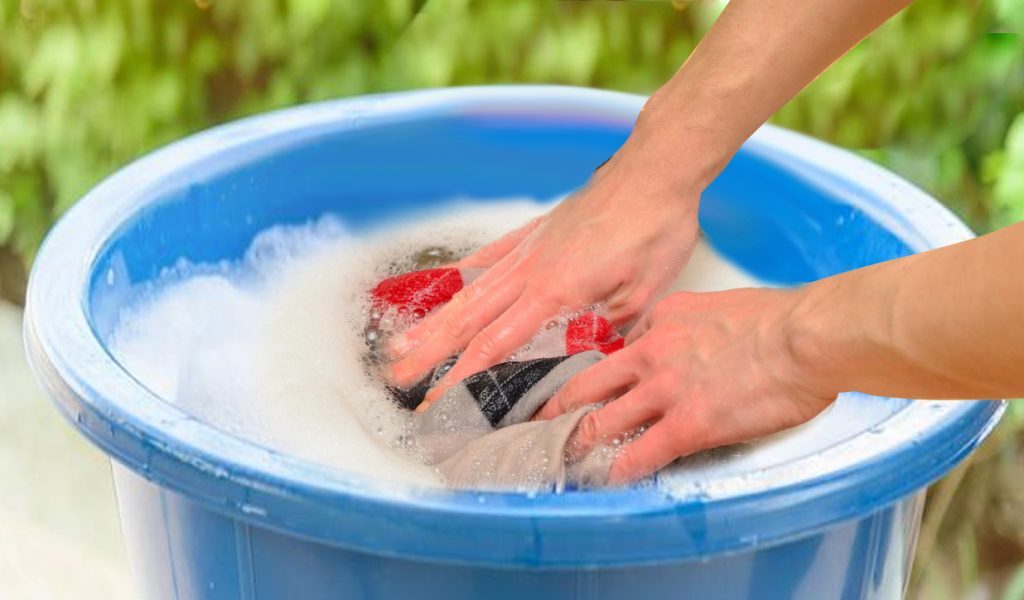
Preserving the delicate shape and texture of your hand-knitted wool sweater after washing is crucial for its longevity and continued beauty. Proper post-washing care, particularly blocking and gentle reshaping, ensures the sweater maintains its original form and prevents unwanted stretching or shrinkage. This section will detail the steps necessary for achieving a perfect, restored fit.
Preventing Stretching or Shrinkage
Careful handling during the washing and drying process is paramount to maintaining the sweater’s original dimensions. Excessive agitation or harsh treatment can lead to unwanted stretching or shrinking. Using a gentle washing method and a delicate cycle significantly reduces the risk of altering the sweater’s shape. Employing appropriate drying techniques further safeguards the garment’s integrity.
Blocking the Sweater
Blocking is a crucial step in restoring the sweater’s shape and preventing permanent distortion. It involves gently shaping the damp sweater on a flat surface, allowing it to dry in the desired form. This meticulous process ensures the sweater retains its original stitch pattern and minimizes the risk of unevenness or wrinkles.
Steps for Blocking
- Lay the damp sweater flat on a clean, absorbent surface, such as a towel or a padded surface.
- Gently reshape the sweater into its intended form, paying close attention to the placement of the sleeves, shoulders, and neckline.
- Use pins to carefully secure the sweater in the desired shape. Avoid placing pins directly on the fabric, using pins or clips that won’t damage the yarn.
- Allow the sweater to air dry completely. Avoid placing it in direct sunlight or using a heat source to speed up the drying process, as this can cause shrinkage or warping.
Reshaping the Damp Sweater
While the sweater is still damp, it’s easier to reshape it into its intended form. This is a critical period for ensuring the garment retains its intended shape. Gently but firmly mold the sweater into its desired form, paying attention to the placement of seams and details.
Gentle Reshaping Techniques
- Use a soft, clean cloth or your hands to gently mold the sweater into the desired form. Avoid harsh or forceful movements that could distort the delicate fabric.
- Use pins or clips to hold the sweater in place. Carefully place them, taking care not to pierce the fabric.
- Ensure the sweater is supported evenly on all sides to prevent uneven drying and distortion.
Storing the Sweater
Proper storage is essential for maintaining the sweater’s shape and preventing damage from dust, pests, or moisture. Proper storage methods prevent unwanted stretching, warping, and the development of wrinkles.
Proper Storage Techniques
- Store the completely dry sweater in a clean, breathable garment bag or a well-ventilated container.
- Avoid storing the sweater in plastic bags or airtight containers, as this can trap moisture and lead to mildew or mold.
- Hang the sweater on a padded hanger to prevent shoulder stretching and maintain the original shape.
- Place the sweater in a cool, dry, and dark location, away from direct sunlight and extreme temperatures.
Potential Issues from Improper Storage
Improper storage can lead to various issues, including:
- Wrinkling and Creasing: Insufficient ventilation or improper placement can cause wrinkles and creases that are difficult to remove.
- Stretching and Distortion: Storing the sweater in a confined space or on a hanger that is not suitable for its size can lead to stretching and distortion.
- Damage from Pests: Storing the sweater in a damp or unventilated area can attract pests, potentially causing damage to the yarn.
- Color Fading: Exposure to strong light can lead to discoloration or fading of the colors in the yarn.
Troubleshooting Common Issues
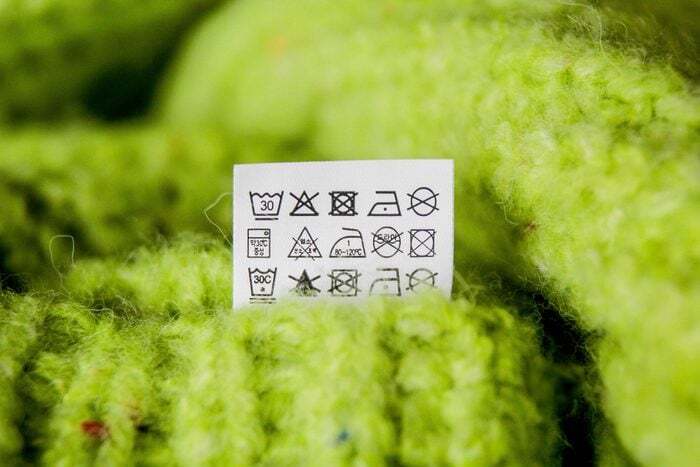
Proper hand-knit wool sweater care extends beyond the washing process itself. Understanding potential problems and their solutions is crucial to preserving the integrity and beauty of your cherished garments. This section details common issues encountered during washing and provides practical solutions to maintain the quality of your hand-knitted wool sweaters.Knitted wool sweaters, due to their delicate nature, can be susceptible to damage if not handled with care.
Knowing how to spot and address potential problems like shrinkage, discoloration, or damage is essential for maintaining the aesthetic and longevity of these garments.
Identifying Shrinkage
Wool sweaters are prone to shrinkage, especially if the washing instructions are not followed meticulously. Improper water temperature, agitation, or drying methods can significantly impact the sweater’s dimensions. Carefully inspect the garment for any signs of uneven shrinkage, particularly in areas with denser knitting.
Addressing Discoloration
Discoloration can occur due to various factors, including the use of improper detergents, excessive agitation, or prolonged exposure to water. If discoloration arises, carefully assess the affected area and the nature of the discoloration. Some subtle staining might fade with proper care, while others may require more intensive treatment.
Dealing with Damage
Damage can range from minor snags to more substantial tears. Prompt identification and repair are vital to prevent further deterioration. Pinpoint the source of the damage and use appropriate repair techniques. Consider using a fine needle and thread that matches the sweater’s color for minor snags or tears.
Troubleshooting Table
| Problem | Cause | Solution |
|---|---|---|
| Shrinkage | Incorrect water temperature, excessive agitation, improper drying | Follow recommended washing instructions, avoid harsh detergents, gently air dry |
| Discoloration | Harsh detergents, prolonged water exposure, improper drying | Use mild wool-specific detergents, avoid harsh scrubbing, air dry |
| Damage (snags, tears) | Rough handling, accidental contact | Repair with fine needle and matching thread; consult a professional tailor for more extensive damage |
Specific Wool Types and Care
Different wool types have varying sensitivities to washing. Understanding these differences is crucial for preserving the integrity of your sweaters.
- Merino Wool: Known for its softness and resilience, merino wool can tolerate more gentle washing. However, it’s essential to avoid harsh detergents and excessive heat during drying.
- Cashmere Wool: Extremely delicate, cashmere wool requires specialized care. Hand-washing in cool water with a mild wool-specific detergent and air-drying are crucial to prevent damage and shrinkage. Avoid using machines, as the friction can cause damage.
- Alpaca Wool: Similar to cashmere, alpaca wool benefits from gentle hand-washing. Using a wool-specific detergent and air-drying is crucial to maintain its softness and shape. Excessive heat should be avoided.
- Superwash Wool: A processed wool type, superwash wool is generally more resilient to shrinkage and damage compared to other wool types. It can typically be machine washed in cold water, but it’s still recommended to follow the manufacturer’s instructions for the best results.
Following these guidelines for troubleshooting common issues and understanding specific wool types will ensure your hand-knitted wool sweaters remain in pristine condition for years to come.
Illustrative Examples of Proper Techniques

Properly washing and caring for your hand-knitted wool sweaters is crucial to maintaining their beauty and longevity. These techniques ensure the sweaters retain their shape, color, and texture, and prevent damage caused by improper handling. Understanding the specific needs of different wool types and the various steps involved in the process is essential for achieving optimal results.
Washing Stages and Drying Methods
Different washing and drying methods are necessary for different wool types. This table provides a concise overview of the washing and drying processes for various sweater types.
| Sweater Type | Washing Method | Drying Method | Notes |
|---|---|---|---|
| Cashmere | Hand wash in lukewarm water with a gentle detergent, avoiding agitation. | Lay flat to dry on a towel-lined surface, away from direct heat. | Cashmere is delicate; avoid harsh detergents and excessive rubbing. |
| Merino Wool | Hand wash or machine wash on a gentle cycle with a wool-specific detergent. | Lay flat to dry on a towel-lined surface, away from direct heat. | Merino wool is generally more resilient than cashmere. |
| Superwash Wool | Machine wash on a gentle cycle with a wool-specific detergent. | Lay flat to dry on a towel-lined surface, away from direct heat. | Superwash wool is pre-treated for machine washing. |
Washing Process Illustrations
Detailed illustrations of the hand-washing process for a wool sweater:
- Submersion: Gently submerge the sweater in a basin of lukewarm water. Avoid excessive agitation. The water temperature should be no hotter than body temperature to prevent shrinkage or damage to the fibers.
- Gentle Detergent Application: Add a small amount of wool-specific detergent to the water. Avoid using harsh detergents or soaps. Work the detergent into the water, then gently immerse the sweater in the soapy water. Avoid scrubbing the sweater; this can damage the delicate fibers.
- Gentle Squeezing: Gently squeeze the sweater to remove excess water. Avoid wringing, as this can distort the shape of the sweater and damage the fibers. Gently press the sweater to remove as much water as possible.
- Rinsing: Rinse the sweater in a separate basin of lukewarm water until all traces of detergent are gone. Again, avoid excessive agitation.
- Extra Water Removal: Gently squeeze the sweater again to remove excess water.
Wool Sweater Types and Care Specifications
Different types of wool sweaters have unique characteristics that require specific care.
- Cashmere: This luxurious fiber is exceptionally delicate. Hand washing in lukewarm water is recommended. Use a very gentle detergent and avoid any harsh scrubbing or twisting. Dry flat on a towel-lined surface.
- Merino Wool: Known for its softness and moisture-wicking properties, merino wool can handle a bit more handling. You can hand wash or machine wash on a gentle cycle with a wool-specific detergent. Dry flat on a towel-lined surface.
- Superwash Wool: Superwash wool is pre-treated, making it more resilient to washing. It can be machine washed on a gentle cycle with a wool-specific detergent. Dry flat on a towel-lined surface.
Blocking Techniques
Blocking is a crucial step in restoring the shape and size of a sweater after washing.
- Laying the Sweater: Gently lay the sweater on a flat surface, such as a towel-covered table or board, and carefully place the sweater on the surface, aligning the shoulder seams and the other seams.
- Pinning the Sweater: Use pins to carefully secure the sweater to the surface. Pins should be placed strategically to hold the sweater in the desired shape, but avoid pinning too tightly.
- Allowing for Drying: Allow the sweater to air dry, or use a hairdryer on a low setting, to completely dry the sweater. Avoid direct heat, as this can damage the fibers.
Drying Process Illustrations
Step-by-step guide with illustrative screen captures (visuals are not available here, but would be if images were supported).
- Preparation: Ensure the sweater is thoroughly rinsed and gently squeezed. Prepare a clean, absorbent towel, laying it flat on a surface.
- Laying Flat: Carefully lay the sweater flat on the towel. Avoid folding or bunching.
- Gentle Weighting: Place a few lightweight objects (e.g., books, rolled-up towels) on top of the sweater to help maintain its shape while drying.
- Air Drying: Allow the sweater to air dry completely, away from direct sunlight or heat. Avoid hanging or using a clothes dryer, as this can distort the shape.
- Final Check: After drying, carefully remove any weights and check for even drying and proper shape.
Closure
In conclusion, properly washing a hand-knit wool sweater is a multifaceted process that requires careful attention to detail. By understanding the delicate nature of wool, employing the appropriate washing techniques, and adhering to the post-care instructions, you can maintain the integrity, beauty, and longevity of your cherished hand-knit wool sweater. This guide provides a comprehensive roadmap for preserving these exquisite garments, ensuring they remain a source of warmth and pride for years to come.