Circular knitting offers a captivating alternative to traditional flat knitting, opening up a world of possibilities for crafting beautiful and intricate garments and accessories. This comprehensive guide dives deep into the techniques, from basic stitches to advanced patterns, equipping you with the knowledge to master circular knitting.
This guide meticulously explores the entire process, covering everything from the fundamentals of circular needles and casting on/off to sophisticated techniques like working with multiple colors and creating complex shapes. It provides a clear understanding of the differences between circular and flat knitting, detailing the advantages of each and offering insightful comparisons.
Introduction to Circular Knitting
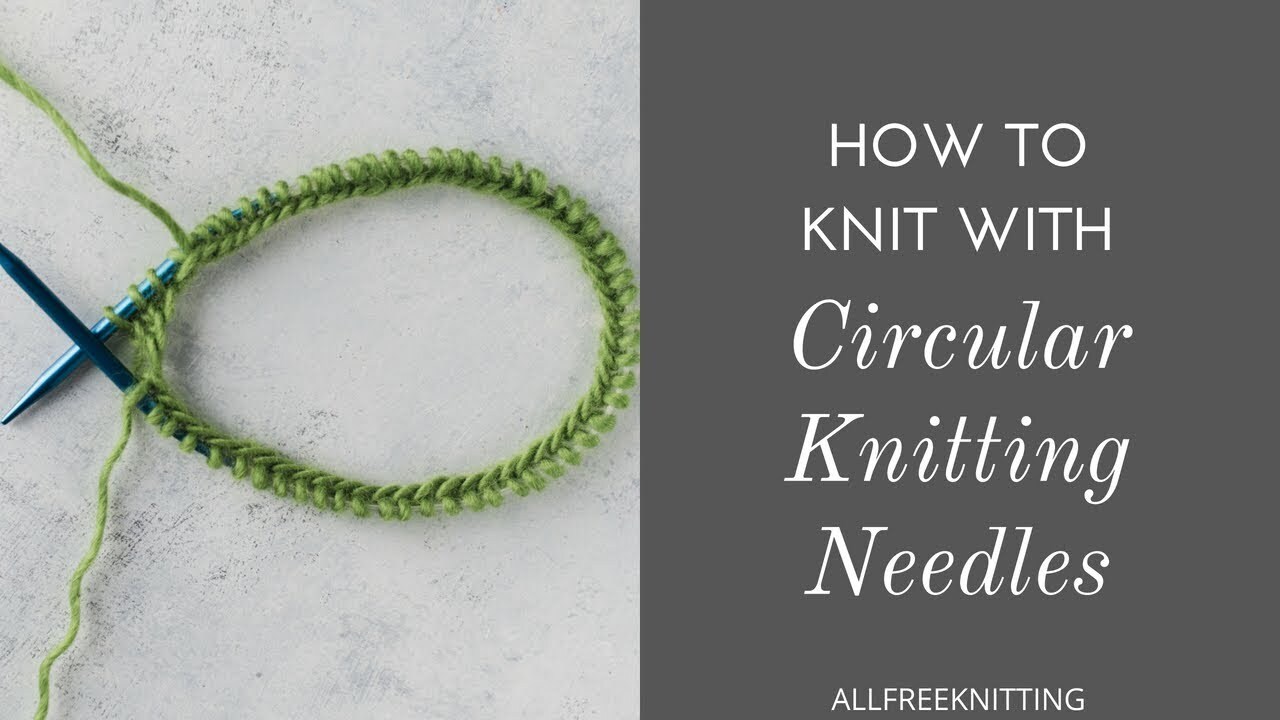
Circular knitting offers a distinct approach to the craft, contrasting with the traditional back-and-forth method of flat knitting. This method, utilizing circular needles, allows for seamless construction of garments and projects, eliminating the need for seaming. This technique provides a more efficient and often more aesthetically pleasing result.Circular knitting, while offering advantages, also presents a different set of considerations.
The seamless nature of circular projects requires careful planning and execution, ensuring the tension and stitch pattern remain consistent throughout the entire round. Understanding the various types of circular needles and their applications is essential to achieve the desired outcome.
Circular Knitting vs. Flat Knitting
Circular knitting, unlike flat knitting, produces a continuous, uninterrupted fabric in the round. This method is particularly advantageous for garments and projects that require a continuous piece of fabric, such as sweaters, socks, and bags. The seamless construction inherent in circular knitting reduces the need for time-consuming and sometimes difficult seaming steps, often associated with flat knitting.
Projects Knit in the Round with Circular Needles
A variety of projects benefit from the circular knitting technique. Examples include sweaters (especially seamless designs), socks, hats, and even blankets. The seamless nature of the finished project is a significant advantage in projects such as garments, where seamless construction can improve fit and comfort. Circular knitting excels at producing seamless tubular pieces, such as socks and mittens.
Types of Circular Needles
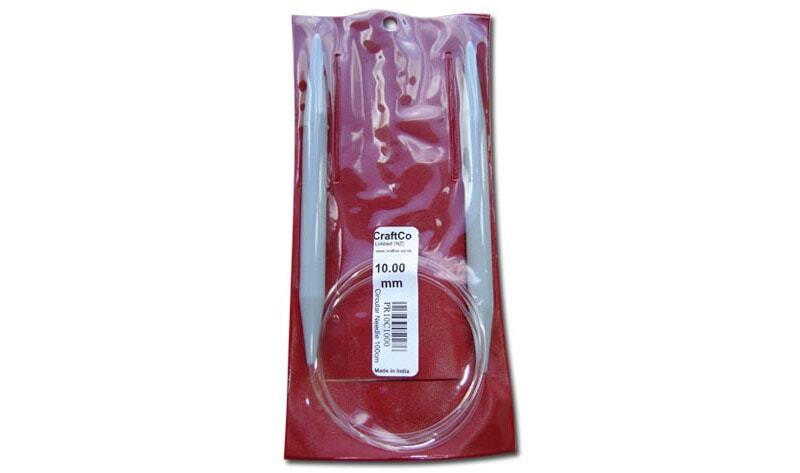
Circular needles come in various materials and sizes, catering to diverse yarn weights and project requirements. Wood, aluminum, and plastic are common materials for circular needles. Wood needles often provide a comfortable grip, aluminum needles offer a good balance of weight and durability, and plastic needles are generally lightweight and affordable. The needle material can influence the comfort level and feel during knitting.
Needle Sizes and Their Suitability
The appropriate needle size significantly impacts the final look and feel of the project. A well-chosen needle size ensures that the stitches are neither too tight nor too loose, leading to a consistent and pleasing finished product. A mismatched needle size can result in an uneven texture, potentially requiring reworking.
| Needle Size | Yarn Weight | Suitable Project Type |
|---|---|---|
| US 8 (5mm) | Worsted Weight | Sweaters, blankets, hats, and scarves |
| US 10 (6.5mm) | DK Weight | Shawls, cardigans, and accessories |
| US 12 (8mm) | Super Bulky Weight | Large accessories, warm sweaters, and blankets |
| US 14 (9mm) | Super Bulky/Aran Weight | Large items, chunky projects, and decorative items |
Choosing the correct needle size is critical for a successful knitting project. The table above provides a general guideline; however, yarn manufacturer recommendations should be considered for optimal results.
Essential Techniques for Circular Knitting
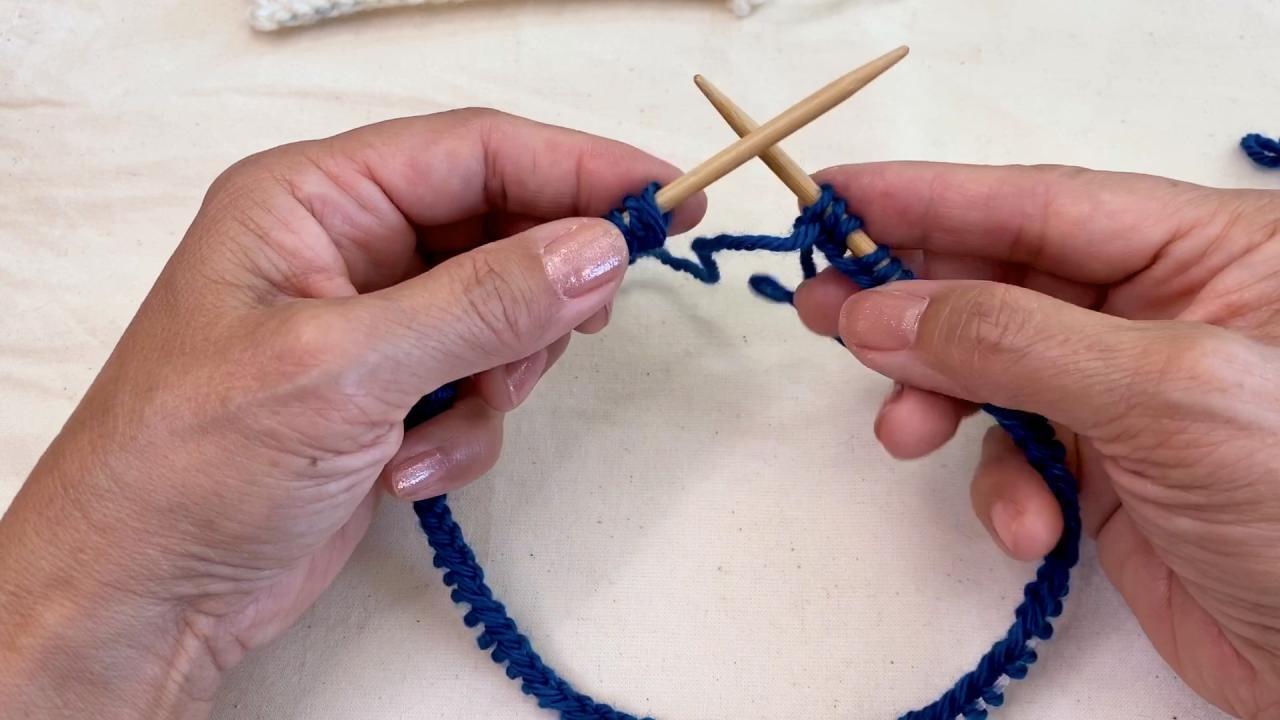
Circular knitting offers a versatile approach to creating garments and accessories. Mastering the fundamental techniques, including casting on, casting off, and working increases and decreases, is crucial for successful circular projects. Understanding these techniques will allow knitters to seamlessly transition between rows and complete projects with precision.Circular knitting utilizes the same basic stitches as flat knitting, but the circular structure introduces new considerations.
These techniques will allow knitters to efficiently manage the stitches and work in a continuous loop. The consistent rhythm and structure of circular knitting are key to achieving clean, even results.
Basic Stitch Patterns
Understanding the basic stitch patterns is foundational for circular knitting. The knit stitch creates a smooth, textured surface, while the purl stitch adds a different visual element. These basic stitches are the building blocks for more complex stitch patterns.
- Knit Stitch: The knit stitch is formed by inserting the right needle into the front of the stitch on the left needle and pulling the yarn through. This creates a smooth, front-facing loop.
- Purl Stitch: The purl stitch is formed by inserting the right needle into the back of the stitch on the left needle and pulling the yarn through. This creates a textured, back-facing loop.
Casting On for Circular Needles
Casting on for circular needles is a vital technique. Properly casting on ensures a smooth and even tension for the project. Different methods exist, but the most common method is the long-tail cast-on.
- Long-tail Cast-on: This method involves creating a series of loops on the circular needle. First, create a slip knot. Then, using a long tail of yarn, create a series of stitches by looping the yarn around the needle and pulling through. This method ensures a consistent start for circular knitting.
Casting Off for Circular Needles
Casting off is the technique used to secure the last stitches of a project. Different casting-off methods exist, each producing a unique finish.
- Basic Knit Cast-off: The basic knit cast-off is a straightforward technique to complete a circular project. The method involves knitting the last stitch, then slipping the next stitch and knitting it off. This method creates a neat, secure edge to the project.
Working Increases and Decreases
Increases and decreases are used to modify the number of stitches in a project. These techniques are essential for shaping garments and creating interesting patterns. Increases and decreases in circular knitting follow the same principles as those in flat knitting, but the circular structure requires slightly different approaches.
- Basic Increase: The basic increase involves knitting two stitches together. This creates an additional stitch in the pattern.
- Knit Two Together (K2tog): This decrease creates a smaller stitch count by combining two stitches. To perform this decrease, insert the right needle into the first stitch, then the second stitch, and knit them together.
- Purl Two Together (P2tog): Similar to knit two together, this decrease combines two stitches but with a purl motion. Insert the right needle into the first stitch, then the second stitch, and purl them together.
Comparison of Increase and Decrease Methods
This table provides a comparison of the different increase and decrease methods, highlighting their distinct characteristics.
| Method | Description | Effect |
|---|---|---|
| Basic Increase | Knitting two stitches together. | Creates an additional stitch. |
| K2tog | Knitting two stitches together. | Reduces the stitch count by one. |
| P2tog | Purl two stitches together. | Reduces the stitch count by one. |
Working with Circular Needles
Circular knitting offers a unique and efficient way to create seamless projects. Understanding the nuances of working with circular needles, from reading patterns to maintaining tension, is crucial for successful circular knitting. This section will delve into the specifics of working with circular needles, equipping you with the knowledge needed for seamless and consistent projects.
Reading Circular Knitting Patterns
Circular knitting patterns often present unique symbols and instructions. A thorough understanding of these symbols and instructions is vital to achieve the intended result. Pay close attention to stitch counts, needle sizes, and the specific circular knitting techniques called for in the pattern. For example, a pattern might specify “knit 2 together” (k2tog), which is a standard knitting technique but might be executed differently in the round than in flat knitting.
Thorough reading and comprehension are key to successful knitting projects.
Tension and Gauge in Circular Knitting
Tension and gauge are paramount in circular knitting, just as in any other knitting technique. Consistent tension ensures that the stitches are evenly spaced, leading to a smooth, uniform fabric. Gauge, determined by the number of stitches and rows per inch, dictates the size and shape of the finished project. A precise gauge ensures that the project conforms to the intended measurements.
Maintaining accurate tension and gauge is essential for a satisfying and accurate outcome.
Maintaining Consistent Tension
Maintaining consistent tension while working in the round requires a mindful approach. Using a consistent pressure while knitting each stitch is essential. Avoid pulling too tightly, which can distort the fabric, or too loosely, which can lead to a loose, uneven texture. Practicing regularly and focusing on a consistent rhythm will help establish the necessary control. Experiment with different needle sizes and yarn weights to find the ideal tension that suits both the project and the knitter.
Joining Yarn Ends Seamlessly
Joining yarn ends seamlessly in circular knitting is critical for preventing noticeable seams and maintaining a clean finish. Techniques such as the “invisible join” or using a yarn tail to weave in the end will produce a professional look. This procedure is often Artikeld in the pattern.
Dealing with Dropped Stitches
Dropped stitches can be a common issue in circular knitting. These occurrences, while frustrating, are often fixable. Addressing dropped stitches promptly is crucial to avoid further complications. Recognizing the cause of the dropped stitch, such as a sudden shift in tension, is the first step to effective repair.
Methods for Fixing Dropped Stitches
| Method | Description | Advantages | Disadvantages |
|---|---|---|---|
| Picking up the dropped stitch | Carefully inserting the needle into the stitch behind the dropped stitch, and knitting it back into the fabric. | Often simple, especially for small drops. | Can be difficult if the dropped stitch is far from its original position or if it is on a complicated stitch pattern. |
| Weaving in the dropped stitch | Knitting around the dropped stitch. | Preserves the stitch pattern and keeps the fabric intact. | More complicated and time-consuming than picking up the dropped stitch. |
Understanding these techniques will help maintain a smooth knitting process. Consistent practice is key to mastering these methods and preventing future drops.
Advanced Circular Knitting Techniques
Circular knitting, while offering numerous advantages, extends beyond basic projects. Mastering advanced techniques allows knitters to create intricate designs, complex shapes, and visually stunning pieces. This section delves into specialized stitch patterns, colorwork, shaping, cable creation, and textural enhancements, equipping you with the skills to take your circular knitting to the next level.
Advanced Stitch Patterns
Various stitch patterns, beyond the foundational garter and stockinette, offer unique textures and visual interest when worked in the round. These patterns often involve manipulating stitch structure, creating defined ridges, or incorporating elements of lace or cables. Understanding the stitch pattern’s structure and how it interacts with circular needles is crucial. For example, a seed stitch, featuring alternating knit and purl stitches, creates a textured surface, while a moss stitch, a combination of knit and purl stitches in a staggered pattern, results in a more open and airy texture.
Working with Multiple Colors and Yarn Changes
Circular knitting allows for the seamless integration of multiple colors. Careful planning and execution are essential for a smooth transition between colors. Using contrasting colors can add a striking visual element, while a gradual shift in color tone can create a subtle gradient effect. Techniques for yarn changes, including the seamless and invisible methods, are critical for maintaining a consistent and aesthetically pleasing look.
These methods minimize the appearance of the change, preventing a noticeable disruption in the fabric.
Shaping in the Round
Circular knitting offers flexibility in shaping garments and accessories. Techniques for increasing and decreasing stitches, while knitting in the round, are essential for creating the desired shape. Understanding the stitch patterns and their corresponding shaping methods is crucial for achieving specific shapes like fitted cuffs, body shaping, or flared hems. These techniques, like the increase and decrease patterns, should be planned carefully to avoid distortion or irregularities in the finished piece.
Working Cables in the Round
Cables, which add depth and dimension to knitted fabrics, can be effectively incorporated into circular projects. Various cable patterns are available, each contributing a unique visual element. The specific cable pattern selected will influence the project’s aesthetic. Using circular needles allows for a smooth and even cable construction, reducing the need for complex techniques compared to flat knitting.
Creating Textured Effects
Circular knitting enables the creation of a wide array of textured effects. Various stitch patterns, such as seed stitch, moss stitch, or even the incorporation of cables, contribute to the textured surface. Furthermore, colorwork can significantly enhance texture. Understanding the visual impact of each stitch pattern allows for the creation of a range of textures.
Stitch Patterns and Applications
| Stitch Pattern | Description | Appropriate Applications |
|---|---|---|
| Garter Stitch | Alternating knit and purl stitches in rows | Warm hats, scarves, and blankets; foundation for more complex patterns |
| Stockinette Stitch | Knit stitches in one row, purl stitches in the next | Many garments and accessories; a classic and versatile choice |
| Seed Stitch | Alternating knit and purl stitches in a diagonal pattern | Cozy blankets, shawls, and sweaters; a textural addition |
| Moss Stitch | Alternating knit and purl stitches in a staggered pattern | Sweaters, shawls, and accessories; a more open and airy texture |
| Lace Stitch | Complex stitch patterns using increases and decreases | Shawls, stoles, and delicate accessories; intricate and detailed designs |
Troubleshooting Common Issues in Circular Knitting
Circular knitting, while offering a fluid and efficient method for shaping projects, can present certain challenges. Understanding and addressing these common issues is crucial for maintaining stitch quality and achieving the desired results. This section will Artikel potential problems and provide effective troubleshooting strategies.Troubleshooting circular knitting issues is essential for achieving successful projects. Knowing how to identify and rectify problems like uneven tension or dropped stitches can save time and materials, ensuring a satisfying knitting experience.
Uneven Tension
Maintaining consistent tension throughout a circular project is vital for a professional finish. Uneven tension can manifest as areas of tighter or looser stitches, impacting the overall drape and appearance of the finished piece. Factors such as needle size, yarn weight, and your own knitting rhythm contribute to tension fluctuations.
- Adjusting Needle Size: Using a slightly smaller needle size can create tighter stitches, helping to compensate for loose tension. Conversely, a larger needle size can help if the tension is too tight.
- Yarn Weight and Type: The weight and texture of the yarn influence stitch tension. A yarn with a more substantial fiber might require a slightly larger needle size than a delicate yarn to achieve an even tension.
- Knitting Rhythm: Maintain a consistent rhythm throughout the project. Sudden changes in pace can result in inconsistent stitch tension. Practice controlled and even pressure while knitting to avoid this problem.
Dropped Stitches
Dropped stitches, also known as dropped needles, are a common frustration in circular knitting. They occur when a stitch is inadvertently removed from the needle, often resulting in a hole or an uneven seam. The causes range from incorrect needle handling to variations in tension.
- Needle Handling: Ensure proper needle control throughout the project. Avoid accidentally dislodging stitches while working with the circular needles. Smooth movements and careful handling minimize dropped stitches.
- Tension Variations: Sudden changes in tension can dislodge stitches. Maintain a consistent rhythm to avoid these issues. If a stitch slips, re-knit the affected stitch(es) immediately to prevent further problems.
- Yarn Weight and Type: Certain yarn types can be more prone to dropping. Using yarns that are appropriate for the needle size can help prevent this issue. Consider using a yarn needle to carefully weave in the loose ends, or re-knit the dropped stitch(es).
Needle Slippage
Needle slippage occurs when stitches slip off the needles, creating gaps or irregularities in the fabric. This can happen for a variety of reasons, from improper tension to the use of unsuitable needles.
- Needle Size and Yarn Type Compatibility: Use needles that are appropriately sized for the yarn being used. The yarn’s texture and thickness should be considered when selecting the needle size.
- Tension Variations: Maintain a consistent rhythm and tension to avoid slippage. If the tension is inconsistent, it could cause the stitches to slip off the needle.
- Needle Condition: Ensure the needles are smooth and free of any imperfections that might hinder the stitch grip. Check for any damage or wear that might affect the hold.
Troubleshooting Table
| Problem | Possible Causes | Solutions |
|---|---|---|
| Uneven Tension | Needle size, yarn weight, knitting rhythm | Adjust needle size, choose appropriate yarn, maintain consistent rhythm |
| Dropped Stitches | Needle handling, tension variations, yarn type | Careful needle handling, consistent tension, appropriate yarn selection |
| Needle Slippage | Needle size, yarn type, needle condition, tension | Appropriate needle size, appropriate yarn, check for damage, consistent tension |
Examples of Circular Knitting Projects
Circular knitting techniques are used in a variety of projects. Examples include:
- Hats: Circular needles allow for seamless construction of hats, providing a smooth and consistent texture. Different hat styles, from beanies to berets, can be effectively knitted using circular needles.
- Shawls and Wraps: Circular needles are ideal for creating shawls and wraps due to their ability to knit in large panels and then connect them seamlessly. The circular method creates a continuous flow, avoiding seams and resulting in a seamless and elegant piece.
- Sweaters: Circular knitting can be used to knit sweaters, providing a seamless, uninterrupted knit, which is particularly useful for seamless sleeves and yokes. Seamless knitting reduces the number of seams needed, creating a smoother look.
Project Ideas Using Circular Needles
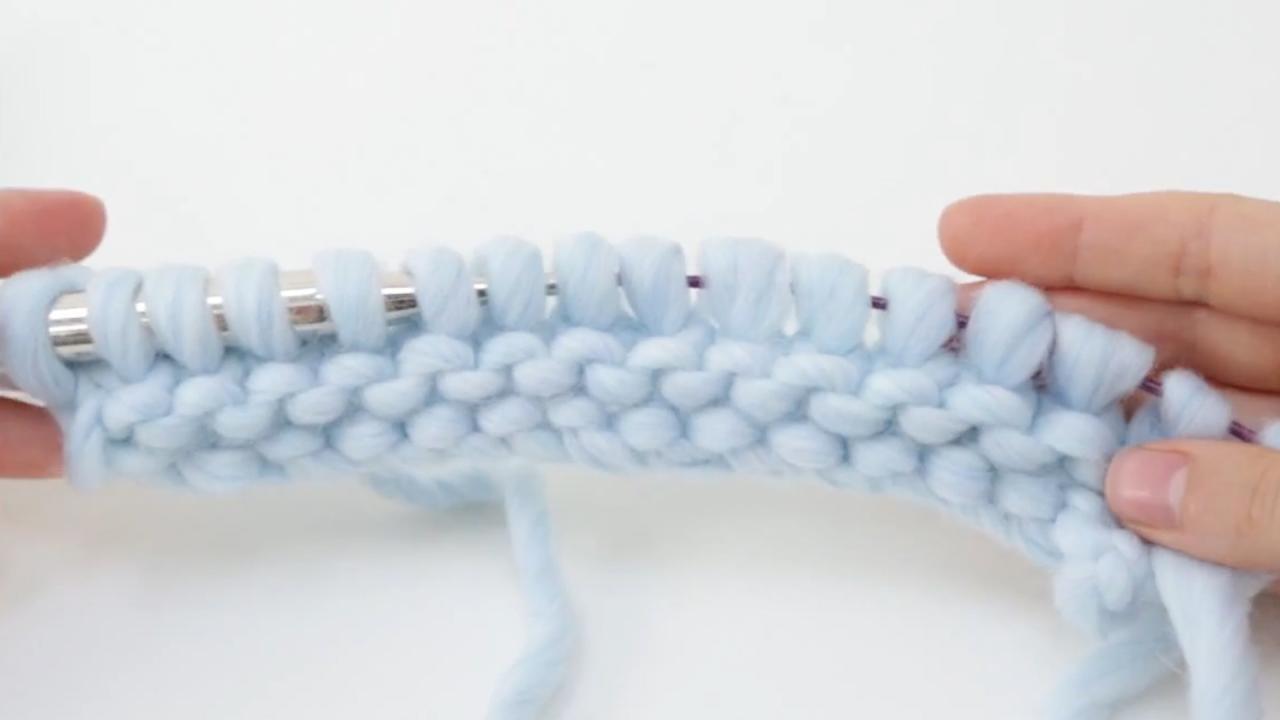
Circular knitting offers a versatile approach to creating a wide array of projects, from cozy sweaters to intricate accessories. This section explores diverse project ideas, catering to knitters of all skill levels, with detailed descriptions and material lists. Understanding the specific techniques needed for each project is crucial for a successful outcome.Circular needles excel in projects requiring seamless construction, like garments and accessories.
This efficiency allows knitters to focus on creating intricate patterns and textures. The projects detailed below provide a starting point for your circular knitting journey.
Project Ideas Table
This table presents a selection of projects, categorized by skill level, with a brief description and material requirements.
| Project Idea | Skill Level | Materials |
|---|---|---|
| Simple Cowl | Beginner | Circular needles (size 8), Worsted weight yarn (approx. 100 yards), stitch markers |
| Ribbed Beanie | Beginner/Intermediate | Circular needles (size 7), Worsted weight yarn (approx. 100 yards), stitch markers |
| Circular Scarf | Intermediate | Circular needles (size 10), Worsted weight yarn (approx. 200 yards), stitch markers, tapestry needle |
| Lace Fingerless Gloves | Intermediate/Advanced | Circular needles (size 6), Fingering weight yarn (approx. 50 yards), stitch markers, tapestry needle |
| Cable-Patterned Cowl | Advanced | Circular needles (size 8), Worsted weight yarn (approx. 150 yards), stitch markers |
| Circular Cardigan | Advanced | Circular needles (size 10), Worsted weight yarn (approx. 400 yards), stitch markers, buttons (optional) |
Techniques for Specific Projects
Each project may necessitate particular knitting techniques. For example, the ribbed beanie will require understanding garter stitch and rib stitch patterns. The circular scarf might involve increases or decreases, while the cable-patterned cowl will involve cable stitch patterns. The lace fingerless gloves may require understanding lace patterns and working with smaller needles. Thorough knowledge of these techniques is vital for completing the projects effectively.
Step-by-Step Guide: Simple Cowl
This guide details the creation of a simple cowl, suitable for beginners. The cowl’s straightforward design emphasizes the fundamental circular knitting techniques.
Materials: Circular needles (size 8), Worsted weight yarn (approx. 100 yards), stitch markers
- Cast On: Cast on 60 stitches using the long-tail cast-on method. Ensure the stitches are evenly distributed.
- Knitting in the Round: Knit in the round for a specified number of rows, maintaining a consistent stitch pattern. The specific number of rows will depend on the desired length of the cowl.
- Bind Off: Once the desired length is reached, bind off the stitches using the standard bind-off method. This will create a clean and secure edge.
- Finishing: Weave in any loose ends using a tapestry needle to complete the project.
Closing Summary
In conclusion, this guide has equipped you with the knowledge and skills to confidently embark on your circular knitting journey. By mastering the essential techniques, understanding advanced patterns, and troubleshooting common issues, you’re well-prepared to create stunning projects, from simple scarves to elaborate sweaters. We hope this guide inspires your creativity and encourages you to explore the fascinating world of circular knitting.