Embark on your knitting journey with confidence! This guide provides a comprehensive overview of how to hold yarn and needles for the first time, covering everything from choosing the right tools to mastering basic techniques. Whether you’re a complete novice or have dabbled in knitting before, this step-by-step approach ensures a smooth and successful start.
Understanding the different types of yarn and needles, and their compatibility, is crucial for a positive knitting experience. We’ll explore various grips for holding the yarn, focusing on comfort and control to prevent tension issues. Furthermore, correct needle positioning and a step-by-step casting-on method will be explained in detail. Troubleshooting common beginner problems and practical exercises will further solidify your skills.
Introduction to Yarn and Needles
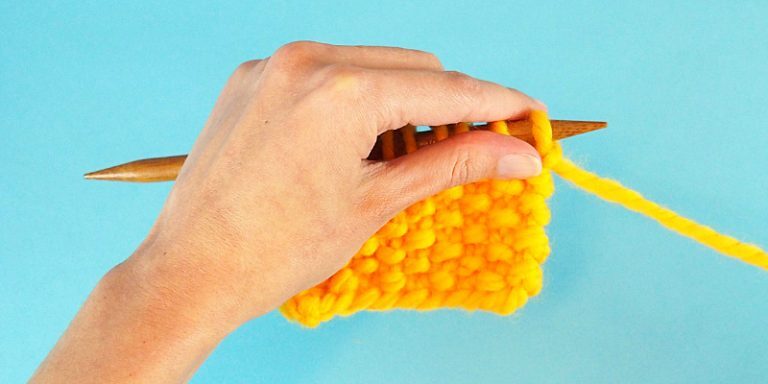
Knitting, a captivating craft, relies on a few fundamental tools. Understanding the types of yarn and needles available is crucial for choosing the right materials for your project and achieving the desired results. This section will explore the basic tools and provide guidance on selecting appropriate needles for various yarn types.The world of knitting encompasses a diverse range of yarns and needles, each tailored for specific projects and aesthetics.
Knowing the differences between these materials is key to successful knitting. Different yarn weights and textures affect the stitch definition and overall project look. Similarly, needle sizes play a vital role in stitch formation and the final piece’s appearance.
Basic Tools for Knitting
Knitting primarily involves two key tools: yarn and needles. Yarn, the fibrous material, provides the substance for the project, while needles, typically made of wood, metal, or plastic, form the structure for creating the stitches. A variety of materials, sizes, and styles are available to suit individual preferences and project needs.
Different Types of Yarn
Yarn comes in a multitude of types, each with its unique characteristics and uses. These differences stem from the materials used, the fiber’s thickness, and the yarn’s overall weight. Beginners often find the diversity overwhelming, but understanding these distinctions helps them select yarn appropriate for their projects. Choosing the right yarn is as important as selecting the correct needles.
Different Types of Needles
Knitting needles come in various materials, sizes, and shapes. The material often influences the feel and comfort during knitting. Needle sizes, usually denoted by US or UK sizes, determine the gauge (the number of stitches and rows per inch) of the project. This gauge is crucial for achieving the desired tension and final size.
Needle Sizes and Yarn Compatibility
The appropriate needle size is essential for achieving the desired results when knitting with a particular yarn. Different yarn types have varying thicknesses and weights. Selecting the correct needle size ensures a good stitch formation, a comfortable knitting experience, and an aesthetically pleasing final product. The table below offers a general guideline for matching yarn types to suitable needle sizes.
| Yarn Type | Needle Size Recommendation |
|---|---|
| Superwash Merino Wool | US 6-8 |
| Cotton | US 4-6 |
| Worsted Weight Acrylic | US 8-10 |
| Aran Weight Wool | US 10-12 |
Selecting the right needle size is critical for achieving a consistent stitch and avoiding any issues such as dropped stitches or uneven tension.
Grasping the Yarn
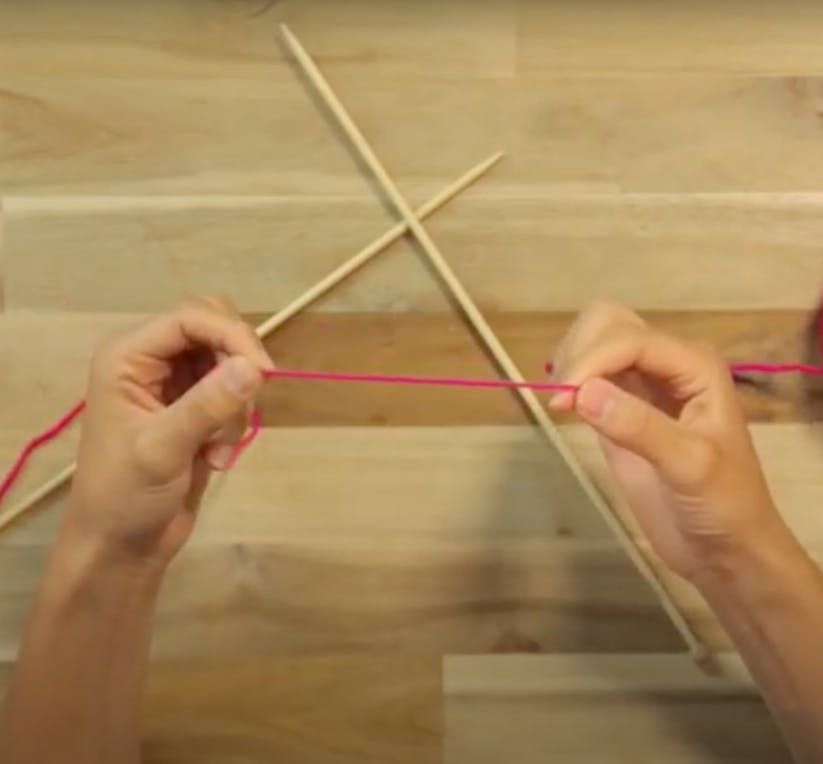
Holding yarn correctly is crucial for knitting or crocheting. A comfortable and controlled grip prevents tension issues, which can lead to uneven stitches and a less pleasing finished product. Experimenting with different techniques to find what feels most natural and allows for consistent tension is key to a smooth knitting or crocheting experience.
Different Yarn Holding Techniques
Different yarn holding techniques offer varying levels of control and comfort. Understanding these methods can significantly impact the quality and ease of your projects. Finding the right grip is a personal preference, and what works for one person may not work for another.
Overhand Grip
The overhand grip is a common starting point for beginners. It involves wrapping the yarn around your fingers in a loose, overhand manner. This method is relatively easy to learn and often feels intuitive. However, if not practiced carefully, this method can lead to inconsistent tension and uneven stitches. It’s essential to maintain a relaxed grip to avoid pulling the yarn too tightly.
Keeping a loose but firm grip on the yarn is crucial for consistent tension.
Underhand Grip
The underhand grip involves wrapping the yarn underneath your fingers. This method offers more control and precision than the overhand grip, allowing for finer adjustments in tension. This is beneficial for those seeking greater control in their work, but it might require some practice to master. The underhand grip allows for a more sensitive touch and a better grasp on the yarn, leading to a more controlled stitch formation.
It might feel less intuitive for beginners, but its precision makes it appealing for more advanced knitters.
Thumb and Forefinger Grip
The thumb and forefinger grip is a very precise method, perfect for intricate patterns and fine stitches. This technique involves wrapping the yarn around the thumb and forefinger, enabling extremely precise control. This level of control is invaluable for detail-oriented projects, but it can be more challenging to maintain consistently without practice. This grip is ideal for those aiming for precise stitches, especially in fine gauge projects.
Comparison Table
| Method | Pros | Cons |
|---|---|---|
| Overhand Grip | Easy to learn, good for beginners, relatively relaxed | Can lead to tension issues if not controlled, may require more adjustment during knitting |
| Underhand Grip | Allows for more control and precision, good for detailed work | Can be less comfortable for some beginners, requires practice to master |
| Thumb and Forefinger Grip | Very precise control, ideal for fine stitches | Can be difficult to maintain if not practiced, might feel unnatural for beginners |
Handling the Needles
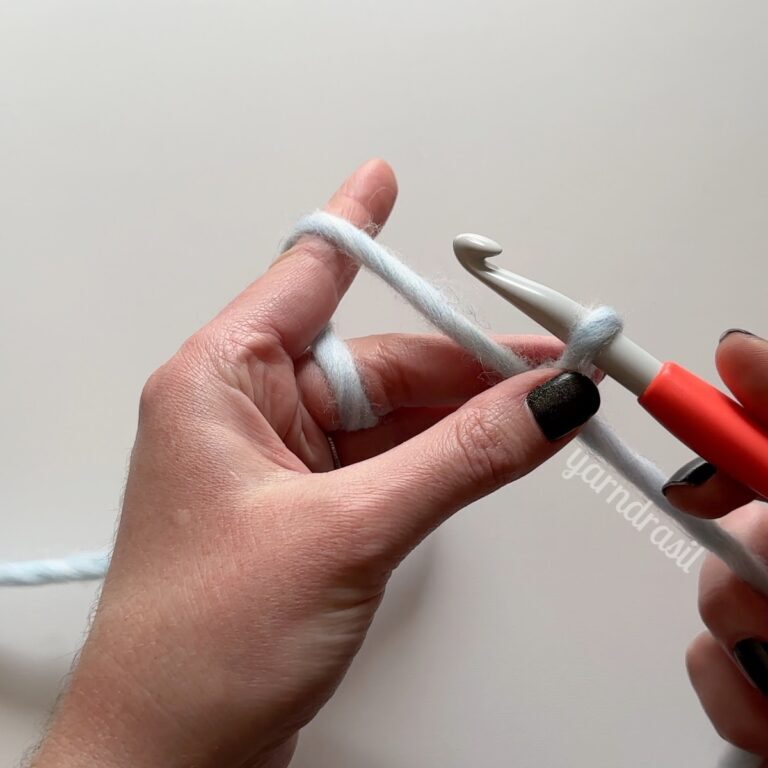
Proper needle handling is crucial for a comfortable and safe knitting experience. It ensures that you can work efficiently and prevent strain on your hands and wrists. A correct posture and grip significantly reduce the risk of repetitive strain injuries. Following these steps will help you develop a smooth and efficient knitting process.Correct posture is fundamental to minimizing strain on your body.
Maintaining a relaxed and upright posture, with your elbows resting comfortably at your sides, prevents unnecessary tension in your arms and shoulders. This allows for a more fluid and less stressful knitting experience.
Correct Posture for Needle Holding
Maintaining a relaxed, upright posture is essential for preventing strain and fatigue. Keep your elbows close to your sides and your shoulders relaxed. Avoid hunching or leaning forward, as this can strain your neck and back. Ensure your work is at a comfortable height, allowing for natural arm positioning. Adjust the height of your work surface if necessary to prevent awkward or strained postures.
Positioning Needles for Casting On
Positioning the needles correctly before casting on is critical for a smooth start to your project. The needles should be held in a manner that allows for easy manipulation of the yarn. The angle of the needles in relation to each other affects the way the stitches form. Generally, the needles should be positioned in a parallel orientation, though minor adjustments may be necessary based on the specific stitch pattern.
Step-by-Step Needle Holding Technique
A consistent and well-practiced needle holding technique will significantly enhance your knitting experience. The following steps provide a basic technique, which can be adapted to your specific needs.
- Hold the needles with your non-dominant hand, positioning them at a comfortable angle, slightly apart from each other. The needles should be supported by your hand and held firmly, but not tightly.
- With your dominant hand, hold the yarn loosely but securely in your fingers. Avoid excessive tension on the yarn, which can affect the stitch quality.
- Bring the yarn over the right-hand needle, ensuring it wraps around the needle from back to front, passing in front of the left-hand needle.
- Using your left-hand needle, gently guide the yarn to form a loop around the needle. The yarn should be snug but not overly tight.
- Repeat steps 3 and 4 to create additional stitches on the right-hand needle. This will create a chain of stitches.
Holding Needles While Casting On
The manner in which you hold the needles during casting on is critical for a successful start to your project. The technique should allow for a steady flow of stitches without causing undue strain or discomfort. Practice makes perfect; adjust the technique to achieve the desired outcome.
- Maintain a relaxed posture, keeping your elbows at your sides. This prevents undue strain on your arms.
- Support the needles with your non-dominant hand, positioning them at a comfortable angle. This allows for a stable grip without gripping too tightly.
- Using your dominant hand, hold the yarn in a way that allows for easy movement without tension. The yarn should be free of kinks or tangles.
Illustration of Needle and Yarn Positioning
The following illustration demonstrates the correct positioning of needles and yarn during the casting-on process.Imagine two needles, represented by slightly angled lines, positioned parallel to each other. The yarn is shown wrapping around the right-hand needle from back to front, then being gently guided to form a loop on the left-hand needle. This process should be repeated to cast on additional stitches.
The illustration emphasizes the relaxed posture and appropriate positioning of the needles, yarn, and hands for casting on.
Combining Yarn and Needles
Learning to combine yarn and needles is a crucial step in beginning knitting. This process involves casting on stitches, creating the first row, and maintaining consistent tension. Proper technique is essential for a successful and enjoyable knitting experience.A smooth transition between yarn and needles is vital for creating a strong and even fabric. Mastering the casting-on technique allows you to effectively transfer the yarn onto the needles, forming the initial stitches.
These initial stitches are the foundation for your entire project. The first row is a critical step as it establishes the pattern and rhythm of the knit or purl stitches.
Casting On Stitches
Casting on stitches involves creating the initial loops on the needles. This is often the most challenging aspect for beginners. Consistent tension and careful placement are key. A well-cast-on set of stitches will translate to a smoother, more even knitted fabric. Proper casting on ensures a secure foundation for subsequent rows and prevents loose or uneven stitches.
- Hold the yarn loosely with your non-dominant hand, and position the needle in your dominant hand. Bring the yarn over the needle and through the loop, creating the first stitch.
- Continue this process for each stitch. A common method is to wrap the yarn around the needle, then insert the needle through the loop to create the stitch. You can vary this depending on the type of cast-on you choose.
- Maintaining a consistent tension is critical. Too tight or too loose will affect the evenness of your knitting.
Creating the First Row of Stitches
The first row is crucial as it sets the tone for the rest of the project. Properly completing the first row ensures a smooth transition to subsequent rows and prevents problems like dropped stitches or uneven tension. Each stitch should be knitted or purled according to the chosen pattern.
- After casting on, you’ll now need to knit or purl the first row of stitches. Knitting involves bringing the yarn over the needle and through the loop from front to back. Purl involves bringing the yarn over the needle and through the loop from back to front.
- For the first row, ensure the tension is consistent and that each stitch is correctly knitted or purled, following the pattern’s instructions.
- Be mindful of tension and needle placement throughout the row.
Passing the Yarn Over the Needle
Correctly passing the yarn over the needle is paramount for a strong and even fabric. This action determines the quality of the stitch and the overall appearance of the project. A smooth transition of yarn ensures that the stitches are properly formed and prevents irregularities in the knitting.
- To pass the yarn over the needle, hold the yarn loosely in your non-dominant hand. Position the needle in your dominant hand. Bring the yarn over the needle and through the loop, creating the stitch.
- Maintain a consistent tension throughout the process. A consistent tension avoids stitches that are too tight or too loose. Experiment to determine the tension that best suits your knitting style and project.
- Keep the yarn parallel to the needle for a smooth transition.
Maintaining Tension When Combining Yarn and Needles
Maintaining consistent tension is essential for creating a smooth and even fabric. Maintaining a consistent tension throughout the process is critical to preventing irregularities in the stitches and the overall appearance of the finished project.
- Use a relaxed yet firm grip on the yarn. Avoid pulling the yarn too tightly or loosely. Finding a comfortable balance is essential.
- Ensure the needle is positioned correctly. Incorrect needle positioning will likely lead to uneven tension.
- If you notice a significant change in tension, take a moment to adjust your grip on the yarn and the position of the needle.
Avoiding Common Mistakes When Starting
Several common errors can hinder a beginner’s progress. Identifying and avoiding these errors will lead to a more enjoyable and successful knitting experience.
- Dropping stitches: This is a common mistake for beginners. To prevent this, ensure that the needle is correctly placed in each stitch and that the tension is consistent.
- Uneven tension: Uneven tension results in a non-uniform fabric. Practice maintaining consistent tension throughout the process.
- Incorrect needle positioning: This affects the creation of each stitch. Ensure that the needle is correctly placed in the yarn to create the desired stitch.
Troubleshooting Common Issues
Learning to knit is a rewarding journey, but it’s natural to encounter challenges along the way. This section addresses common problems beginners face when holding yarn and needles, offering solutions to help you overcome these hurdles and continue your knitting progress smoothly.
Common Tension Problems
Maintaining consistent yarn tension is crucial for producing even and professional-looking knitted fabric. Inconsistencies in tension can lead to uneven stitches and distorted patterns. Several factors contribute to tension issues, including the grip on the yarn, the pressure applied to the needles, and the needle size.
- Adjusting your yarn grip can significantly impact tension. A loose grip often results in a looser tension, while a tight grip can create a tighter tension. Experiment with different grips to find the balance that produces the desired tension.
- Pressure applied to the needles also plays a vital role. Too much pressure can lead to a tight, uneven tension. Conversely, insufficient pressure may result in a loose, floppy fabric. Practice finding a moderate pressure that allows the needles to glide smoothly through the yarn, and be mindful of applying even pressure across all rows.
- The size of the needles used is another important consideration. If the needles are too large for the yarn, the tension will likely be loose. If the needles are too small, the tension will be tight. Selecting the appropriate needle size is essential for achieving the correct tension and preventing problems like dropped stitches.
Dropped Stitches
Dropping stitches is a common frustration for knitters. Understanding the causes and solutions can prevent repeated errors and keep your project on track.
- A frequent cause of dropped stitches is inconsistent tension. Uneven tension can lead to stitches slipping off the needles. Maintain a consistent tension by applying even pressure and adjusting your grip on the yarn.
- Another potential cause is an improper stitch formation. Pay close attention to the technique used for each stitch. Incorrect techniques can increase the risk of stitches slipping or dropping. Review your stitch formation method to ensure you’re executing each stitch correctly.
- If you notice a dropped stitch, carefully re-knit the stitch. Alternatively, you can undo the affected row and repeat it to correct the mistake.
Needle Slippage
Needle slippage occurs when the stitches slide off the needles, leading to gaps or irregularities in the knitted fabric.
- Proper needle grip is crucial. Ensure you’re using a secure grip on both needles to prevent slippage. A strong grip allows you to control the needles effectively, reducing the risk of stitches slipping off.
- Another factor to consider is the size of the needles. Using needles that are too small for the yarn can lead to increased friction, increasing the likelihood of slippage. Conversely, using needles that are too large can lead to loose tension and stitches slipping off the needles. Ensure the needle size matches the yarn’s weight and texture for optimal knitting.
Troubleshooting Table
| Mistake | Solution |
|---|---|
| Uneven Tension | Adjust yarn tension, grip, or needle size. |
| Dropped Stitches | Carefully re-knit the stitch, or undo and repeat the row. |
| Needle slippage | Ensure proper grip on both needles and adjust needle size if needed. |
Practice and Exercises
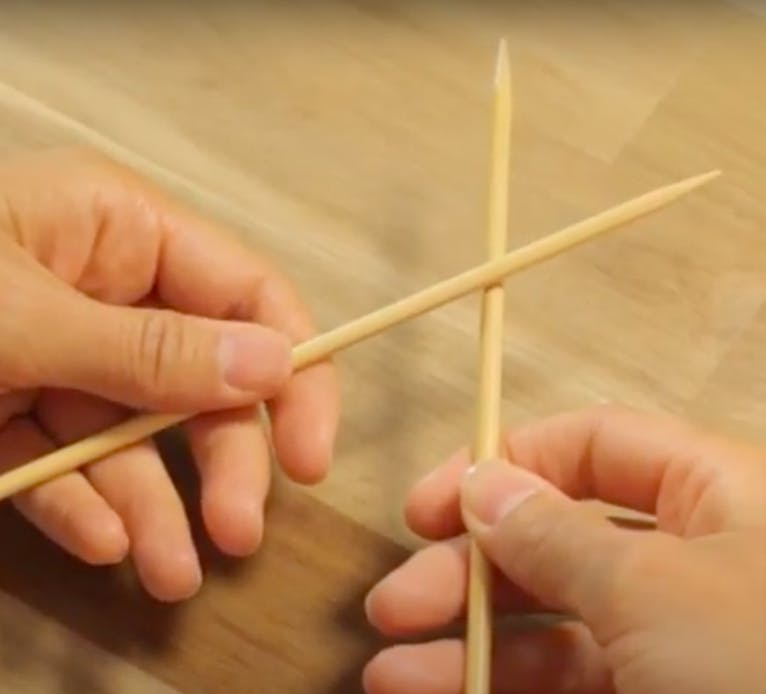
Mastering the art of knitting requires consistent practice. Just as any new skill, knitting benefits from repetition and focused effort. This section will provide a structured approach to practicing your newly acquired techniques, building confidence and refining your skills.Developing proficiency in knitting involves not only understanding the mechanics but also internalizing the rhythm and feel of the process.
Regular practice, coupled with focused exercises, will accelerate your learning curve and transform your initial attempts into more confident and polished projects.
Simple Knitting Exercises
Consistent practice with fundamental exercises is crucial for building a solid foundation in knitting. These exercises will help you refine your technique and gain comfort with holding the yarn and needles.
- Casting on and casting off: Repeatedly practice casting on a set number of stitches (e.g., 20 stitches) and casting them off. This reinforces the proper tension and movement needed for these crucial initial and final steps.
- Knitting simple rows: Knitting a set number of rows (e.g., 10 rows) in a consistent pattern, ensuring you maintain the correct needle positioning and yarn tension. Focus on smooth, even stitches.
- Increasing and decreasing: Practice increasing and decreasing stitches, gradually adding and removing stitches to understand how to modify the fabric’s structure. This is essential for creating textured patterns and shaping projects.
- Working with different stitch patterns: Explore basic stitch patterns, such as garter stitch or stockinette stitch, to develop familiarity with the rhythm and visual impact of various techniques.
Practice Projects for Beginners
Selecting suitable projects is essential for progressing from basic exercises to more complex techniques. These projects should challenge your skills while remaining manageable to avoid frustration and maintain motivation.
- Small scarves: A small scarf is a fantastic project for practicing basic knitting techniques, allowing you to build comfort with the rhythm and consistency needed for longer projects. Start with a simple garter stitch or stockinette stitch.
- Dishcloths: Dishcloths are excellent for practicing basic stitch patterns and learning to work with various tension levels. They provide an opportunity to explore different textures and patterns without a significant time commitment.
- Small blankets: A small blanket, worked in a simple stitch pattern, offers a chance to knit a larger project without facing significant challenges. A small blanket provides valuable experience in managing the complexity of a longer project.
- Potholders: Potholders are a great project to learn increasing and decreasing, creating a structured, useful, and satisfying item. They allow for a good opportunity to learn shaping.
Example Project: Simple Garter Stitch Scarf
This example will demonstrate how to knit a basic garter stitch scarf. This straightforward project will help you practice knitting in a consistent manner, reinforce correct needle handling, and build confidence in creating a complete project.
| Step | Action |
|---|---|
| 1 | Cast on 20 stitches. |
| 2 | Knit every row. |
| 3 | Repeat step 2 until the desired length is achieved. |
| 4 | Cast off. |
The garter stitch creates a simple, textured fabric ideal for beginners.
Importance of Regular Practice
Regular practice is paramount to mastering knitting. Consistent engagement with the craft allows for the development of muscle memory, improves accuracy, and builds confidence in your ability to complete projects.
Recommendations for Beginners
Focusing on the nuances of proper yarn and needle handling is critical for a smooth knitting experience. Here are some recommendations for beginners to practice these fundamental techniques:
- Set aside dedicated time: Dedicate a specific amount of time each day or week for knitting practice. Even short sessions will help reinforce skills and keep the learning process engaging.
- Focus on consistency: Maintain a consistent tension when knitting. Varying tension can lead to inconsistencies in the final project.
- Use a mirror: If possible, use a mirror to check your posture and needle positioning to ensure you are maintaining the correct form.
- Record your work: Take photos or videos of your work to analyze your progress and identify areas needing refinement.
Final Review
Congratulations! You’ve now gained a strong foundation in the fundamental techniques of holding yarn and needles. By mastering these basics, you’re well-equipped to progress to more complex knitting projects. Remember that consistent practice and attention to detail are key to developing your skills. This guide served as a helpful starting point, setting the stage for a lifetime of creative expression through knitting.