Embark on a captivating journey into the world of crochet with this comprehensive guide on creating a simple headband. This project is perfect for beginners, offering a delightful introduction to the craft. Learn the fundamental techniques and discover how easy it is to transform basic stitches into a stylish accessory.
This guide will walk you through the essential steps, from choosing the right yarn and hook to mastering various crochet stitches and constructing the headband. Detailed instructions, helpful diagrams, and troubleshooting tips ensure a smooth and enjoyable crocheting experience.
Introduction to Crochet Headbands
A crochet headband is a decorative and practical accessory, typically created using yarn and a crochet hook. It is a versatile piece of headwear that can be customized in various styles, from simple and understated to elaborate and intricate designs. Crochet headbands are not only fashionable but also offer a cozy and comfortable way to keep your hair in place.Crochet headbands are a popular choice for their adaptability and aesthetic appeal.
They can be fashioned for various occasions and styles. The process of creating a crochet headband involves carefully manipulating yarn using a crochet hook to form loops and chains, ultimately creating a circular band.
Basic Materials for Crochet Headbands
To create a basic crochet headband, a few essential materials are required. These materials ensure a successful and enjoyable crocheting experience. The right materials will directly impact the final product’s quality and appearance.
- Yarn: The choice of yarn significantly influences the headband’s texture and overall look. Different yarn weights and types will affect the final product.
- Crochet Hook: The size of the crochet hook corresponds to the thickness of the yarn. A hook that is too small or too large will affect the result.
- Scissors: Essential for cutting the yarn to the required length.
- Stitch markers (optional): Used to keep track of stitches, particularly helpful for more intricate designs.
Yarn Types for Crochet Headbands
Crochet headbands can be crafted using a variety of yarn types, each offering unique characteristics. The selection of yarn is a crucial factor in achieving the desired look and feel of the finished headband.
- Worsted weight yarn: This is a popular choice for crochet headbands due to its balance of thickness and drape. It creates a comfortable and versatile headband. This is a commonly used yarn weight that offers good stitch definition and is relatively easy to work with.
- Bulky yarn: Bulky yarn provides a chunky, textured appearance. Perfect for those seeking a bolder headband style. Bulky yarn projects create a substantial headband that is comfortable and stands out.
- DK yarn: A medium weight yarn, offering a balance between worsted and bulky. It is suitable for creating headbands that are not too thick or thin. The versatility of DK yarn makes it a good choice for various styles.
- Super bulky yarn: Super bulky yarn produces a very thick and substantial headband. This yarn type is perfect for those who prefer a larger, more prominent headband. The larger size of this yarn is great for making a warm and cozy headband.
Hook Sizes for Crochet Headbands
The crochet hook size is directly related to the yarn weight. Using the correct hook size ensures that the stitches are properly formed and that the yarn is not overly stretched or too tight.
- Hook sizes range from 2.5mm to 10mm or more, depending on the chosen yarn type.
- A smaller hook is used with thinner yarns, while a larger hook is used with thicker yarns.
Yarn and Hook Size Comparison Table
The following table provides a comparison of different yarn types and their suitability for different headband thicknesses:
| Yarn Type | Yarn Weight | Typical Hook Size | Headband Thickness | Suitability |
|---|---|---|---|---|
| Worsted | 4 | 5.0mm – 6.5mm | Medium | Versatile, good for everyday wear |
| Bulky | 6 | 8.0mm – 10.0mm | Thick | Great for winter or a bolder style |
| DK | 3 | 3.5mm – 4.5mm | Thin | Suitable for delicate designs or layering |
| Super Bulky | 7 | 10.0mm – 12.0mm | Extra Thick | Perfect for chunky headbands or a statement piece |
Basic Crochet Stitches
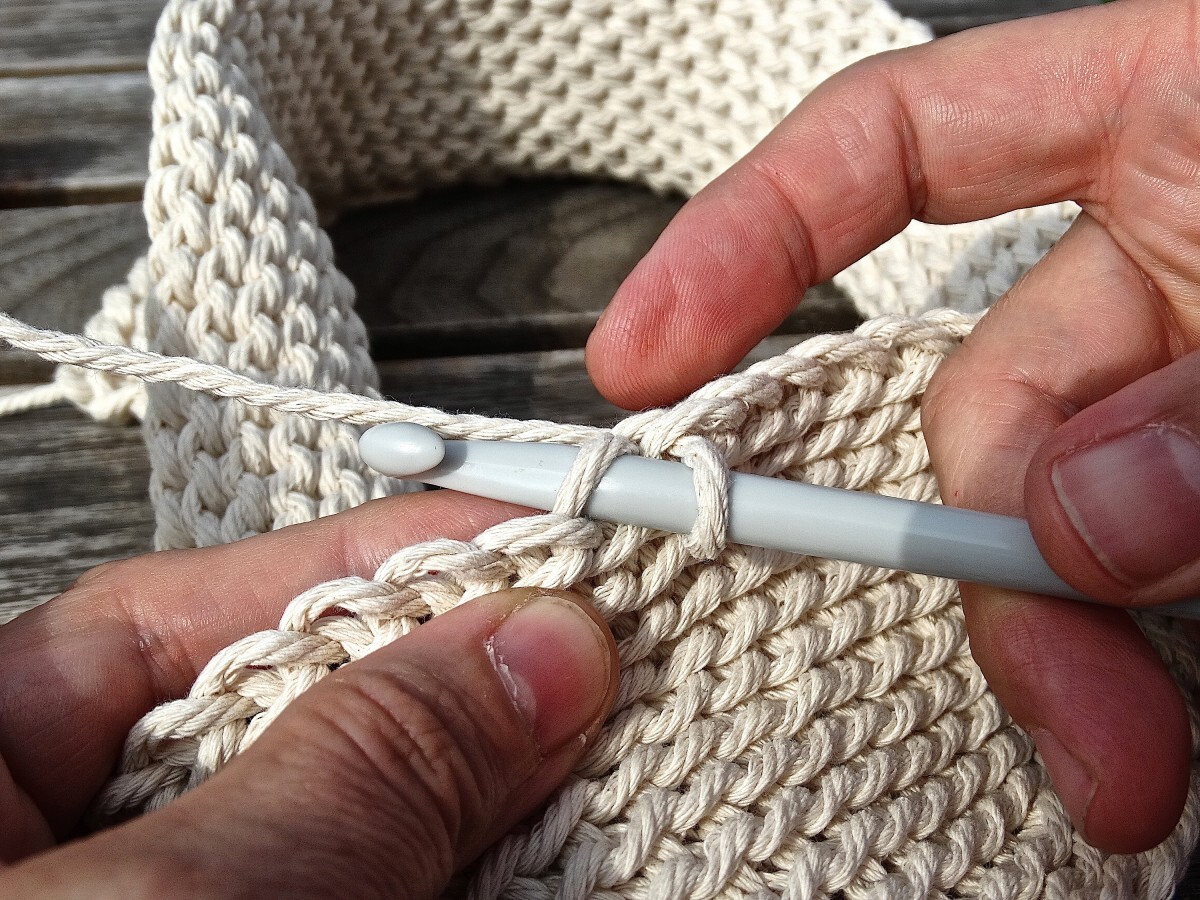
Learning the fundamental crochet stitches is crucial for creating any crochet project, including a simple headband. These stitches form the foundation for all subsequent patterns and techniques. Mastering these basic stitches will empower you to confidently tackle more intricate projects in the future.
Essential Crochet Stitches for Headbands
Mastering single crochet and double crochet stitches is essential for constructing a basic headband. These stitches form the base for a variety of textures and designs, allowing you to create a comfortable and visually appealing final product.
Single Crochet (sc)
This stitch is a foundational element in crochet. It is used extensively in many projects and is simple to learn. A single crochet is worked into the front loop of the stitch below. This is a versatile stitch, excellent for creating a solid, smooth texture.
Step-by-Step Instructions:
- Yarn over (YO) and insert your hook into the designated stitch.
- YO again, and draw the yarn through the stitch.
- YO, and pull through the two loops on your hook.
Double Crochet (dc)
Double crochet is a more substantial stitch than single crochet, adding depth and texture to your project. It creates a slightly raised, textured appearance compared to the single crochet stitch.
Step-by-Step Instructions:
- Yarn over (YO) and insert your hook into the designated stitch.
- YO again, and draw the yarn through the stitch (2 loops on hook).
- YO, and draw the yarn through the two loops on your hook.
- YO, and draw the yarn through the remaining two loops on your hook.
Stitch Comparison
The following table visually contrasts single and double crochet stitches, highlighting their differences in appearance and structure. The differences in height and texture become readily apparent.
| Stitch | Visual Representation | Hook Size Recommendation |
|---|---|---|
| Single Crochet (sc) |  |
2.5mm – 4.0mm |
| Double Crochet (dc) |  |
3.0mm – 5.0mm |
Stitch Combinations for Texture
Combining single and double crochet stitches allows for the creation of unique textures. For example, alternating rows of single and double crochet stitches creates a textured pattern. Varying the stitch types within a single row can further add visual interest and depth. By combining different stitches, you can introduce variety and visual interest to your crochet headband.
Creating the Headband
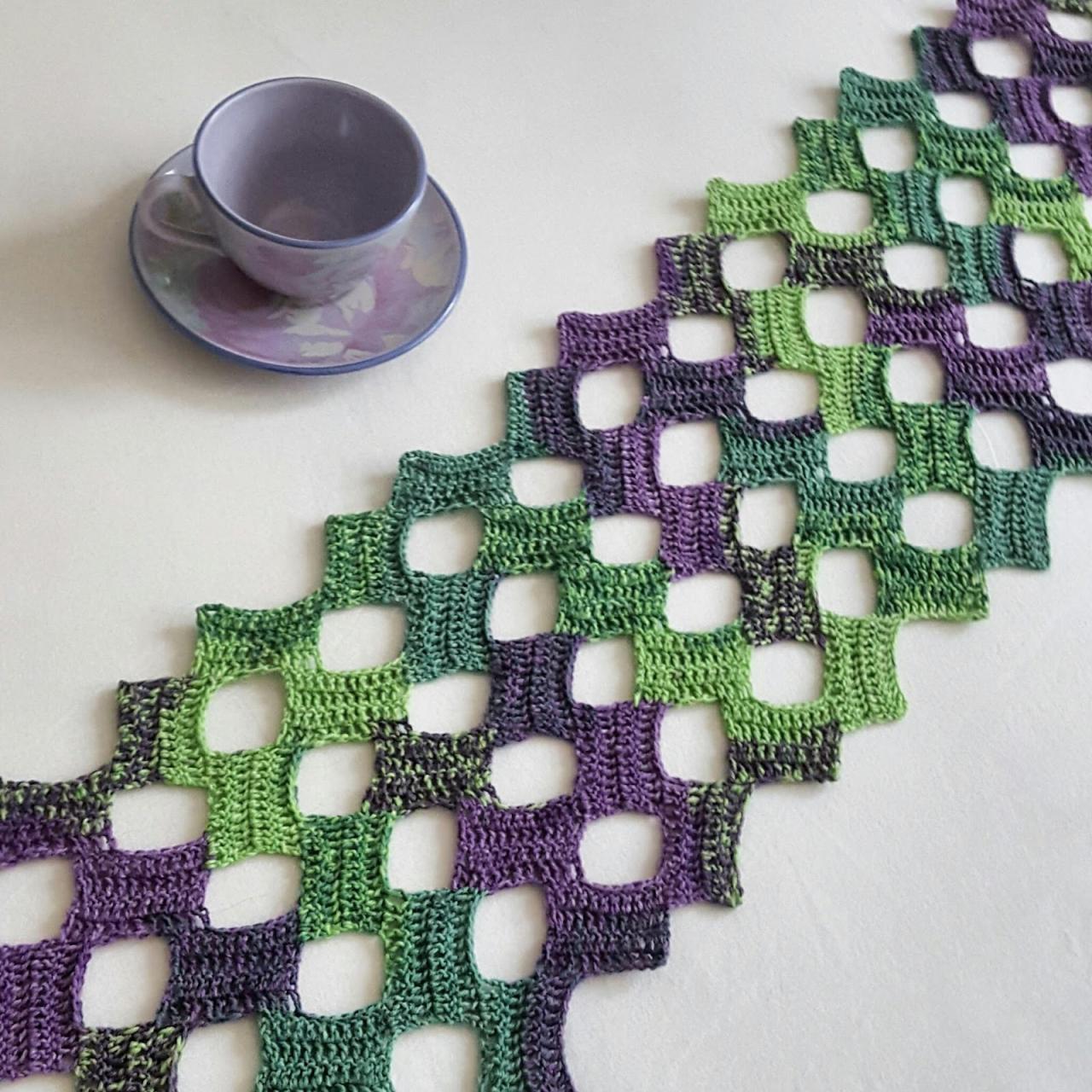
Crafting a crochet headband involves a series of steps, starting with the initial foundation and progressing through shaping and joining techniques. A well-executed headband will comfortably fit and maintain its form, while its stretchy nature will ensure a secure yet flexible fit. This section will detail the precise procedures for constructing a headband, including crucial elements like starting the project, modifying the size, and joining rows for a seamless finish.The techniques Artikeld here can be applied to a variety of crochet headband patterns, providing a strong foundation for creating your own unique designs.
This structured approach will enable you to confidently tackle the process, ensuring a satisfying outcome.
Starting the Project
A successful headband begins with a strong foundation. Different methods can be used to initiate the project, each with its own advantages. The magic ring method is frequently employed for its ease in creating a circular base. Alternatively, you can chain a specified number of stitches, then join them to form a ring. The chosen method will depend on the desired design and personal preference.
Creating the Foundation
The foundation row sets the stage for the entire headband. Using the magic ring or the chain-in-ring method, create the initial stitches. This is crucial for a consistent and even headband. The number of stitches in the foundation row will affect the final size of the headband. Be mindful of the tension used throughout this initial stage to avoid irregularities in the subsequent rows.
Increasing and Decreasing Stitches
Adjusting the size of the headband is often necessary for a personalized fit. Increasing stitches will make the headband wider, while decreasing stitches will narrow it. To increase, you typically work two stitches together in the same stitch or space. Decreasing involves combining two adjacent stitches into one. These techniques should be applied evenly to maintain a balanced and aesthetically pleasing shape.
Joining Rows
Joining rows seamlessly is crucial to preventing gaps and maintaining the integrity of the headband. A common method involves using slip stitches to connect the end of one row to the beginning of the next. This technique helps ensure a continuous and smooth surface. Alternatively, you can use the same stitch type that you are using in the headband.
The choice of method depends on the desired aesthetic and comfort.
Creating a Stretchy Headband
A stretchy headband is crucial for comfort and a good fit. One common approach involves using a stitch pattern that naturally stretches. The slip stitch method used in joining rows plays a significant role in this. The nature of the stitch itself contributes to the elasticity of the finished headband. This ensures the headband will conform to the wearer’s head shape.
An appropriate stitch pattern, combined with the right joining techniques, will produce a durable and comfortable headband.
Example: Increasing and Decreasing Stitches
To increase, work two stitches into the same stitch.To decrease, combine two adjacent stitches into one.
Variations and Design Ideas
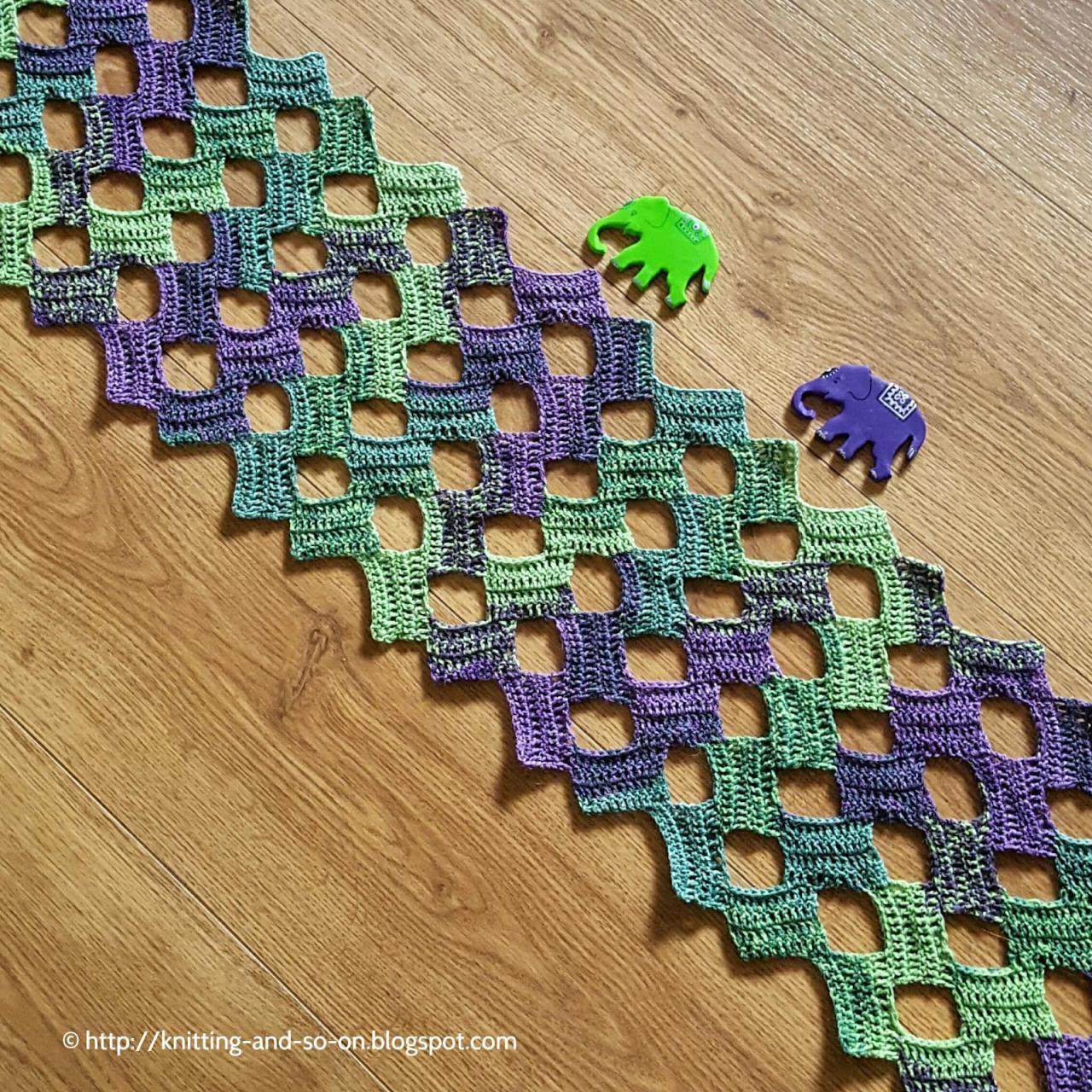
Expanding upon the foundational crochet headband, numerous variations allow for personalized expressions. These alterations introduce exciting design elements, from subtle color gradients to bold embellishments. This section will explore these diverse possibilities, equipping you with the tools to create truly unique headbands.
Embellishment Techniques
Adding embellishments elevates a basic headband to a truly personalized accessory. Beads, sequins, and ribbons offer a myriad of aesthetic options. Carefully consider the chosen embellishment’s size, shape, and color to complement the headband’s overall design.
- Beading: Beads can be woven into the headband’s fabric or sewn onto the surface. For a woven effect, beads of a similar size and color are often chosen. Alternatively, a variety of colors and sizes can create a visually striking pattern. Ensure beads are securely fastened to avoid slippage during wear.
- Sequins: Sequins add a touch of sparkle and glamour. Similar to beads, sequins can be directly sewn onto the headband. Consider arranging sequins in patterns or clusters for an enhanced visual impact. Use fabric glue or strong thread to ensure the sequins remain firmly attached.
- Ribbons: Ribbons can be incorporated in various ways. They can be tied around the headband for a decorative accent, wrapped around the headband for a more structured look, or interwoven into the headband’s fabric for a more integrated design. Select ribbons that complement the overall color scheme and style of the headband.
Color Variations and Patterns
Experimenting with different yarn colors allows for the creation of captivating patterns and visual gradients. Color transitions can be gradual or abrupt, depending on the desired effect.
- Color Blocking: Using contrasting colors in distinct blocks creates a bold and impactful pattern. This technique often involves distinct color segments, forming a clear separation between the colors. The color blocks can be arranged in various geometric shapes, creating visual interest.
- Color Gradients: A smooth transition from one color to another creates a sophisticated color gradient. This technique requires careful selection of colors that blend seamlessly. Gradually transitioning from one color to another produces a continuous color spectrum.
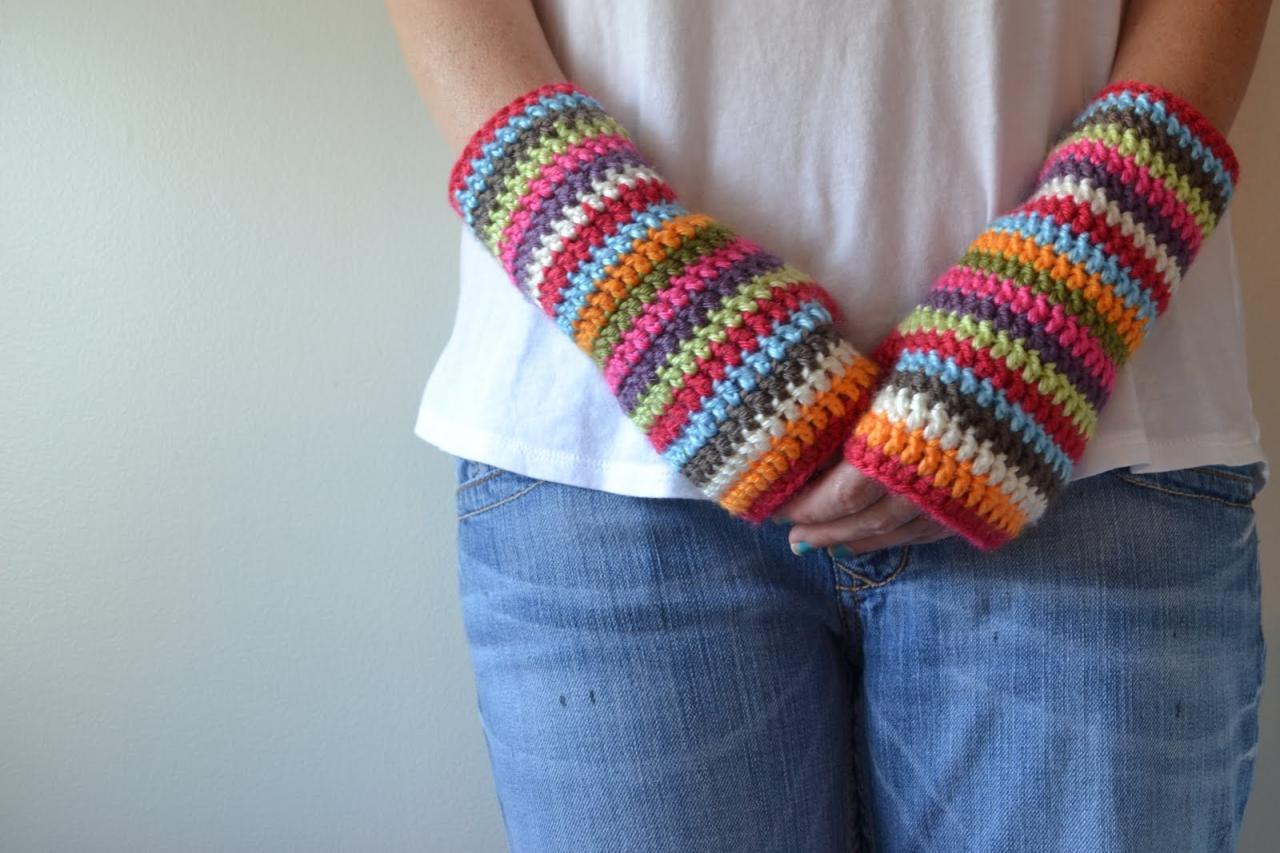
- Two-Color Stripes: Using two colors in alternating stripes adds a simple yet elegant touch. The stripes can be thin or wide, depending on the desired aesthetic. A consistent stripe pattern often gives the headband a clean and organized appearance.
Fringe and Tassel Additions
Adding fringe or tassels adds a touch of texture and movement to the headband. The length and density of the fringe can significantly impact the headband’s overall appearance.
- Fringe: Fringe is created by cutting yarn strands from the headband’s edge. These strands are then evenly spaced and secured to create a textured border. The length of the fringe is a key factor in the headband’s visual appeal.
- Tassels: Tassels are looped or knotted ends of yarn that add a distinct visual element. Tassels can be attached to the headband in various locations, such as at the headband’s ends or at specific intervals along its length. The size and color of the tassels are essential to the overall design.
Design Variations Table
| Variation | Description | Visual Example |
|---|---|---|
| Striped Headband | Alternating colors create a classic look. | Imagine a headband with alternating red and white stripes. |
| Gradient Headband | Smooth transition between colors for a sophisticated effect. | Visualize a headband transitioning from a light blue to a dark blue, creating a seamless color gradient. |
| Beaded Headband | Woven or sewn beads add a decorative touch. | Envision a headband with colorful beads woven throughout, creating a patterned look. |
| Sequin Headband | Sequins create a sparkling effect. | Picture a headband with sequins arranged in a floral pattern or scattered randomly. |
| Fringed Headband | Yarn fringe adds a textured finish. | Visualize a headband with long, evenly spaced yarn fringe, adding a touch of movement. |
Sizing and Fitting
Creating a headband that fits comfortably and securely requires careful consideration of sizing. Proper sizing ensures a flattering look and prevents slippage or discomfort. This section details the crucial steps for achieving the perfect fit, from accurate head measurements to adjusting the finished headband.
Accurate Head Circumference Measurement
Accurate head circumference measurement is fundamental to achieving the correct headband size. Incorrect measurements can lead to a headband that is either too tight or too loose. To measure accurately, use a flexible measuring tape. Position the tape just above the eyebrows, ensuring it rests comfortably against the forehead. Wrap the tape around the head at the widest point.
Read the measurement, ensuring the tape is held straight and not twisted.
Adjusting the Finished Headband
Once the headband is crocheted, you may need to adjust its size. This is a common occurrence and can be achieved in a few ways. If the headband is too tight, you can gently stretch the fabric. This can be done by carefully pulling on the edges of the headband. Conversely, if the headband is too loose, you may need to add additional stitches or decrease the number of stitches.
Modifying Stitch Count for Desired Size
Modifying the stitch count is a crucial method for tailoring the headband to the specific head size. To increase the size, add stitches in a consistent pattern. For instance, you can add stitches in the same row or column. To decrease the size, decrease the stitches in a similar way. The specific number of stitches to add or decrease will vary based on the crochet pattern and the desired final size.
For example, adding 5 stitches every 4 rows might create a larger size.
Head Size and Corresponding Stitch Counts
A table illustrating the relationship between head size and stitch counts can assist in planning and execution.
| Head Size (inches) | Approximate Stitch Count |
|---|---|
| 21 | 50 |
| 22 | 55 |
| 23 | 60 |
| 24 | 65 |
| 25 | 70 |
Note: These stitch counts are approximations. Adjustments may be necessary based on the specific crochet pattern and yarn used.
Troubleshooting Common Issues
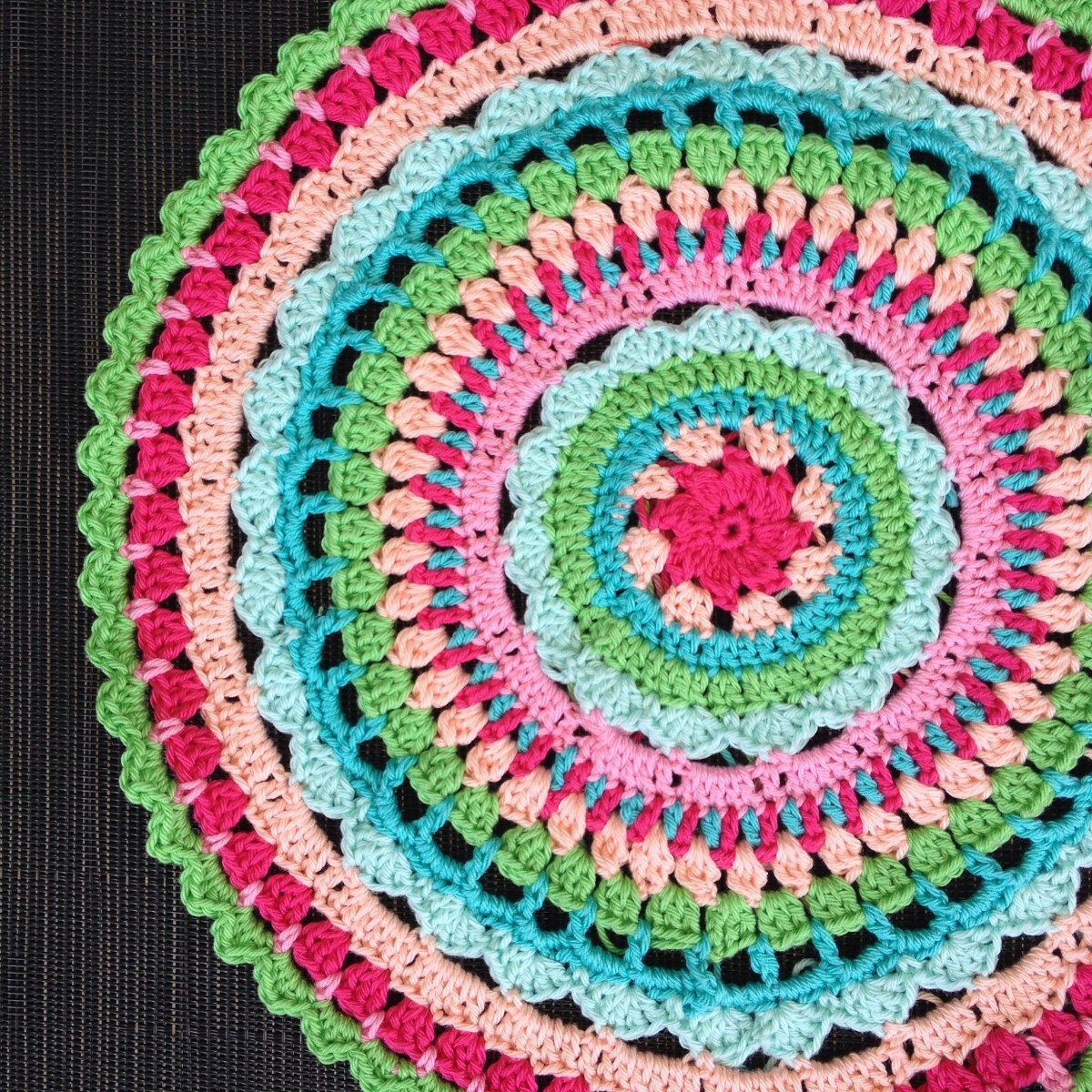
Crocheting, like any craft, can present challenges. Understanding common problems and their solutions is crucial for maintaining your project’s quality and avoiding frustration. This section will guide you through fixing dropped stitches, loose stitches, uneven rows, and other common crochet headband issues.
Identifying Dropped Stitches
Dropped stitches are a frequent occurrence, especially for beginners. They often appear as gaps in the fabric, creating an uneven look. Recognizing the problem is the first step towards a successful repair. A dropped stitch is a stitch that has been unintentionally disconnected from the crocheted fabric. This can happen during the crocheting process, causing a gap in the pattern.
Correcting Dropped Stitches
To fix a dropped stitch, carefully slip the hook under the next stitch (that hasn’t been dropped). Then, use the hook to pick up the dropped stitch. The dropped stitch should be carefully reincorporated into the pattern. If you have dropped several stitches in a row, consider re-working the entire section, ensuring you maintain the correct tension and stitch count.
Addressing Loose Stitches
Loose stitches can affect the headband’s overall appearance and sturdiness. Loose stitches are those that are not adequately bound or attached to the fabric, giving the appearance of being too open or spaced out. This usually happens due to inconsistencies in tension or a lack of tension control. Proper tension is crucial to maintaining a consistent stitch size and preventing looseness.
Correcting Loose Stitches
To tighten loose stitches, carefully slip the hook under the loose stitch. Then, yarn over and pull the yarn through the stitch in the same manner as you would create a regular stitch. Adjust your tension to maintain consistency across the headband. If a significant section is loose, consider carefully reworking the affected section.
Repairing Uneven Rows
Uneven rows often result from inconsistent tension or errors in stitch counts. Uneven rows present an irregular pattern in the headband, affecting the aesthetic appeal and the project’s uniformity. To address uneven rows, carefully examine the affected area and identify the root cause.
Correcting Uneven Rows
Rework the affected rows, ensuring consistent tension and stitch counts. Pay close attention to the pattern and follow the instructions diligently. Use a stitch counter to verify that you have the right number of stitches in each row. If the problem persists, review the pattern instructions for guidance or seek support from experienced crocheters.
Troubleshooting Guide
| Problem | Cause | Solution |
|---|---|---|
| Dropped Stitches | Inconsistent tension, incorrect hook size, distractions | Carefully pick up dropped stitch, re-work affected section, adjust tension |
| Loose Stitches | Inconsistent tension, incorrect stitch count, not enough yarn | Tighten loose stitches, re-work affected area, adjust tension |
| Uneven Rows | Inconsistent tension, mistakes in stitch count, poor pattern following | Re-work affected rows, adjust tension, double-check pattern |
Additional Resources
Expanding your crochet knowledge beyond this guide is crucial for continuous learning and improvement. Exploring various resources will broaden your understanding and inspire new creative projects. This section provides avenues for further exploration and community engagement.
Online Tutorials and Video Demonstrations
Numerous online platforms offer comprehensive crochet tutorials and video demonstrations. These resources are invaluable for visual learners and provide alternative perspectives on techniques. Finding tutorials tailored to specific needs, such as variations in stitch types or particular projects, is easier than ever.
- YouTube channels dedicated to crochet, such as “The Crochet Crowd” or “Simply Crochet,” frequently post detailed tutorials for various projects, including headbands. These channels often feature a wide range of styles and techniques, enabling viewers to discover new approaches to crocheting.
- Websites like Ravelry and YouTube are great places to find specific tutorials for crochet headbands. Search for terms like “crochet headband tutorial” or “easy crochet headband.” This allows for targeted learning and the discovery of diverse patterns.
Crochet Books and Websites
Many crochet books and websites specialize in patterns and techniques for specific projects, including headbands. These resources offer a wealth of inspiration and detailed instructions for a wider range of styles.
- Books such as “Crochet for Beginners” or “Crochet Headbands and Accessories” provide comprehensive guides to various crochet techniques and patterns, including headbands. These resources offer a deeper understanding of crochet fundamentals, crucial for building a strong foundation.
- Websites like “Craftsy” or “LoveCrochet” offer a vast collection of patterns and tutorials, some specifically focused on headbands. These websites often have searchable databases, making it easy to find the perfect project to suit your interests.
Social Media for Support and Inspiration
Social media platforms are excellent tools for connecting with other crocheters. Engaging with online communities provides access to a wealth of information, inspiration, and support.
- Platforms like Instagram and Facebook feature numerous crochet groups and pages where crocheters share their work, seek advice, and offer encouragement. These groups are valuable resources for finding inspiration and receiving feedback on your projects.
- Joining online crochet groups or communities can foster a supportive environment where you can ask questions, receive help from experienced crocheters, and share your creations. This interactive learning environment helps you overcome challenges and develop your crochet skills.
Finding Crochet Patterns
Finding crochet patterns is essential for creating various projects, including headbands. Several resources provide a wealth of designs.
- Websites such as Ravelry and Etsy are excellent resources for discovering crochet patterns for headbands and other accessories. These platforms offer a diverse range of patterns, from simple to intricate, catering to various skill levels.
- Ravelry is a popular platform that hosts a vast library of crochet patterns, including many specifically designed for headbands. This site provides a comprehensive resource for searching and browsing patterns, enabling users to find designs that match their preferences.
Connecting with Other Crocheters
Connecting with other crocheters can enhance your learning experience and provide a valuable support system. Sharing experiences and knowledge fosters a creative and supportive community.
- Local yarn shops often host crochet meetups or workshops, allowing you to connect with other crocheters in person and share ideas. These gatherings provide opportunities to learn from experienced crocheters and exchange tips and techniques.
- Online crochet communities and forums provide opportunities to connect with other crocheters. Participating in these communities enables you to receive feedback, ask questions, and share your crochet creations with a supportive network.
Wrap-Up
Congratulations! You’ve successfully navigated the steps to create your own beautiful crochet headband. Remember, practice makes perfect, and this guide is your starting point for countless creative variations and designs. Feel free to experiment with different yarns, colors, and embellishments to personalize your headband and express your unique style. Enjoy the process and the finished product!