Embark on a captivating journey into the world of crochet, where you’ll learn to craft a beautiful and practical set of coasters. This comprehensive guide walks you through every step, from selecting the perfect yarn and hook to finishing your unique coasters. Discover the artistry and practicality of crocheted coasters, a perfect blend of aesthetics and functionality.
This guide will provide detailed instructions and visuals, enabling you to create a stunning set of coasters. We will cover the essential crochet stitches, choosing the right materials, designing your coasters, and finally, adding the finishing touches to create a cohesive set. Each section is designed to be easy to follow, ensuring a smooth and enjoyable learning experience for both beginners and experienced crocheters alike.
Introduction to Crochet Coasters
Crochet coasters are a delightful fusion of artistry and practicality. Beyond their aesthetic appeal, they serve as a protective barrier for your tables, preventing scratches and heat damage from hot beverages or dishes. Their handmade nature adds a unique touch to any décor, and the cozy texture is often appreciated. Creating a set of crochet coasters can be a rewarding experience, transforming a simple craft into a thoughtful home accessory.The fundamental crochet stitches used in creating simple coasters are relatively straightforward.
Understanding the basic chain stitch, single crochet, and double crochet is crucial for achieving a pleasing and functional coaster design. These stitches form the foundation for various patterns and textures, allowing for creative variations in your coaster set.
Fundamental Crochet Stitches
Mastering the basic crochet stitches is essential for crafting a variety of crochet projects, including coasters. These stitches are the building blocks for more complex patterns. A strong understanding of these stitches will allow for creative adjustments to patterns, enabling the creation of unique and personalized designs. Knowing these stitches provides the flexibility needed for variations in size, shape, and texture.
Yarn and Hook Selection
The choice of yarn and hook size significantly impacts the final look and feel of your crochet coasters. Different yarns offer varying textures, weights, and colours, while hook sizes influence the density and stitch size. Careful consideration of these factors ensures a finished product that is both aesthetically pleasing and functional.
Yarn and Hook Size Guide for Crochet Coasters
| Yarn Type | Hook Size | Project Description |
|---|---|---|
| Cotton yarn | 3.5 mm or 4.0 mm | Lightweight, absorbent cotton yarns are ideal for creating a soft and breathable coaster. They are perfect for delicate designs and lighter colors. |
| Acrylic yarn | 4.0 mm or 4.5 mm | Acrylic yarn offers a good balance between affordability, durability, and a wide range of colors and patterns. This is a versatile choice for a variety of projects, including simple coasters. |
| Wool yarn | 4.5 mm or 5.0 mm | Warm and cozy, wool yarn provides a rich texture and substantial feel. The density of wool yarn makes it well-suited for a durable coaster, capable of withstanding heat. |
| Chunky yarn | 6.0 mm or 7.0 mm | Using a chunky yarn and a larger hook allows for quicker construction and the creation of a bold, textural coaster, ideal for a modern or rustic aesthetic. |
Choosing Materials and Tools
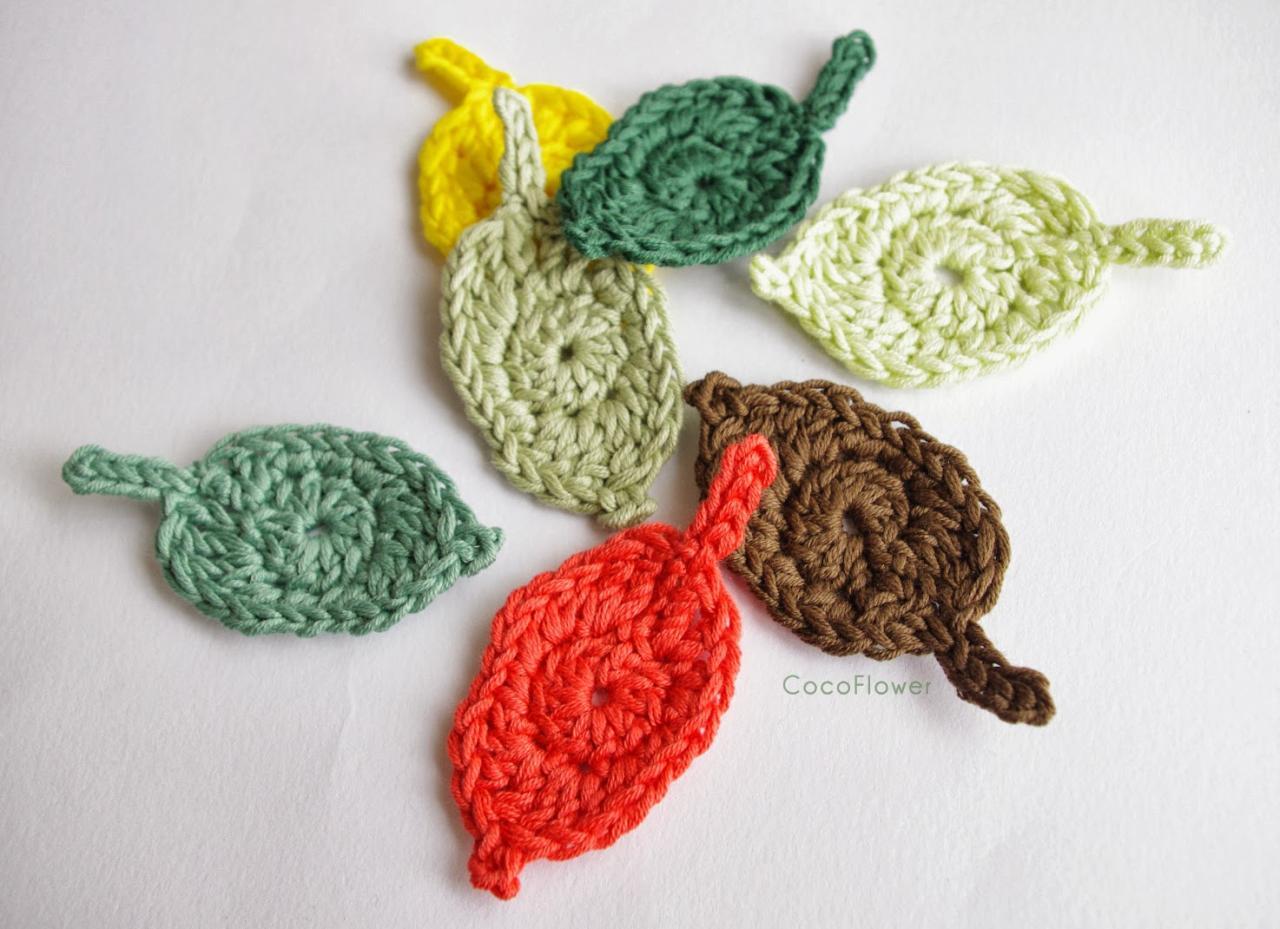
Crafting a beautiful set of crochet coasters requires careful selection of materials. The right yarn and hook will significantly impact the final look and feel of your coasters, influencing their durability and aesthetic appeal. This section will guide you through the essential materials and tools, highlighting the crucial factors to consider when making your choices.Selecting appropriate materials is fundamental to achieving a high-quality crocheted coaster set.
Choosing the right yarn and hook ensures a pleasing aesthetic and a sturdy, long-lasting product. The discussed factors will equip you with the knowledge to create a set that meets your desired aesthetic and functional requirements.
Yarn Options
A wide variety of yarns are suitable for crocheted coasters. The choice depends on the desired texture, color, and overall aesthetic. Different yarn types offer varying levels of softness, drape, and durability.
- Acrylic yarn is a popular choice for coasters due to its affordability, durability, and ease of care. It’s relatively inexpensive and readily available in a vast array of colors and patterns.
- Cotton yarn provides a soft and natural feel. Its breathability makes it a good option for those seeking a more natural and environmentally friendly material. However, cotton may not be as durable as acrylic.
- Wool yarn offers a warm and textured appearance. Its inherent softness and drape make it ideal for creating cozy and inviting coasters. However, wool is more susceptible to shrinkage than acrylic or cotton.
- Polyester yarn blends often combine the best qualities of various fibers, such as durability and softness. These blends are often more affordable than pure wool or silk.
Yarn Weight and Texture
The weight of the yarn directly affects the thickness and appearance of the finished coaster. A bulky yarn will create a substantial coaster, while a thinner yarn will yield a more delicate and intricate design.
- A bulky yarn provides a quick project and creates a substantial coaster. This is suitable for those seeking a bolder, more pronounced design.
- Medium weight yarn offers a good balance between thickness and drape. This is a versatile option that allows for a variety of designs and textures.
- A light yarn creates a delicate and airy coaster. It’s perfect for those seeking a more subtle and refined look.
Crochet Hook Selection
Matching the crochet hook to the yarn is crucial for a smooth and even stitch. Using the wrong hook size can lead to uneven texture or a bulky or tight finished product. A hook that is too small for the yarn will result in tight stitches and difficulty in crocheting. Conversely, a hook that is too large for the yarn will result in loose stitches and an uneven finish.
- The hook size is indicated on the yarn label, usually denoted in millimeters (mm) or US sizes. Carefully follow the yarn label instructions for the correct hook size to use.
- Experimenting with different hook sizes can provide interesting results. This experimentation allows for exploration of various stitch patterns and textures, ultimately leading to a uniquely crafted coaster.
Yarn Comparison Table
The table below contrasts various yarn types and their suitability for crocheted coasters.
| Yarn Type | Texture | Durability | Suitability for Coasters |
|---|---|---|---|
| Acrylic | Soft, smooth | High | Excellent; good for everyday use |
| Cotton | Soft, natural | Medium | Good; suitable for coasters with lower impact |
| Wool | Warm, textured | Medium-High | Good; suitable for a unique aesthetic |
| Polyester Blend | Variable | High | Excellent; good balance of durability and texture |
Basic Crochet Stitches
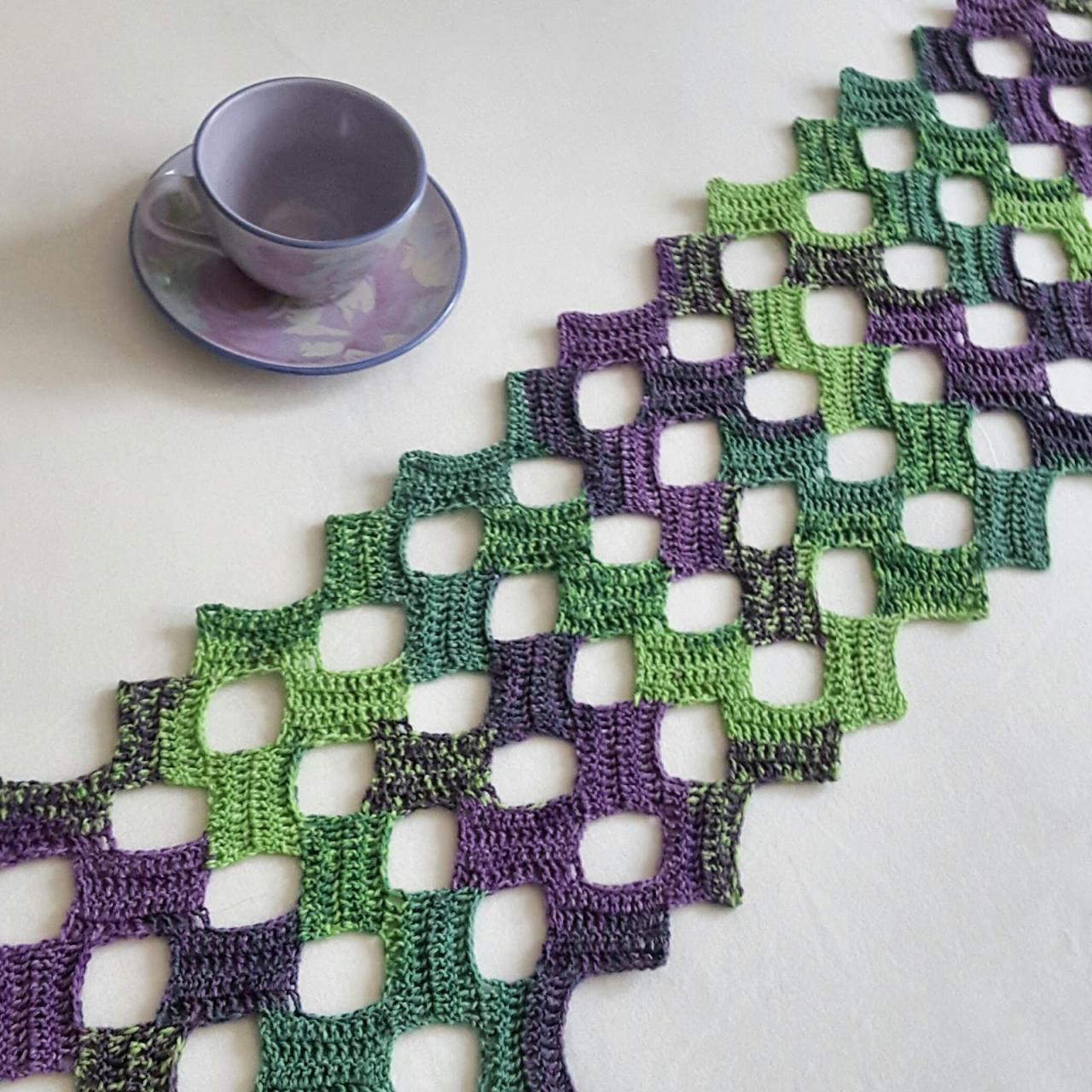
Mastering basic crochet stitches is fundamental to creating any crochet project. These fundamental stitches form the foundation for more complex patterns and designs. Learning the proper execution of each stitch ensures that your project is not only aesthetically pleasing but also structurally sound.
Essential Crochet Stitches
Understanding and practicing these essential stitches will lay the groundwork for more advanced crochet techniques. Each stitch is crucial for building the foundation of your coasters.
| Stitch Name | Description | Notation | Visual Representation |
|---|---|---|---|
| Chain Stitch | A basic stitch that creates a chain of loops, forming the foundation for many crochet projects. | ch | Imagine a series of interconnected loops, all in a straight line. This forms the starting point for most crochet projects. |
| Single Crochet | A simple stitch that creates a solid, slightly raised texture. | sc | Visualize a small, textured bump formed by the stitch. This is often used for creating dense fabrics and adding a sense of structure to a project. |
| Double Crochet | A stitch that creates a slightly taller and more pronounced texture than single crochet. | dc | Envision a slightly larger bump or loop compared to single crochet. This stitch is commonly used to add dimension and a visually appealing texture to a project. |
Executing the Chain Stitch
To execute the chain stitch correctly, begin with a slip knot. Hold the yarn in your non-dominant hand and use your dominant hand to loop the yarn around your index finger and thumb, creating a loop. Pull the yarn through the loop. This will form the slip knot. Now, yarn over, and draw the yarn through the loop on your hook.
This forms the first chain stitch. Repeat this process, yarn over and drawing the yarn through the loop, to create as many chain stitches as needed.
Executing the Single Crochet Stitch
The single crochet stitch involves inserting the hook into the designated stitch, yarn over, and pulling the yarn through the loop on the hook. Yarn over again, and pull the yarn through both loops on the hook. This completes one single crochet stitch.
Executing the Double Crochet Stitch
The double crochet stitch builds on the single crochet stitch. Insert the hook into the designated stitch, yarn over, and pull the yarn through the loop on the hook. Yarn over again, and pull the yarn through the two loops on the hook. Yarn over once more, and pull the yarn through the remaining two loops on the hook. This completes one double crochet stitch.
Creating the Coaster Pattern
Crafting a set of unique crochet coasters involves meticulous attention to detail and precise measurements. This section will guide you through the process of creating a single coaster, providing a step-by-step procedure, and specifying the dimensions for a standard coaster size and shape. Following these instructions will allow you to produce aesthetically pleasing and functional coasters.This section provides a detailed pattern for a simple yet attractive coaster, outlining the steps to create a well-proportioned and aesthetically pleasing coaster.
Each step is clearly explained, enabling a beginner to confidently follow the pattern and complete their coaster with ease.
Step-by-Step Coaster Construction
Understanding the order of operations is crucial to successfully completing the coaster. The following steps detail the process from start to finish.
- Starting the Coaster: Begin by creating a magic ring or a slip knot. This initial step provides a solid foundation for the subsequent crochet stitches. This is crucial as it ensures a consistent and sturdy base for the coaster. Using a magic ring offers a clean, seamless start, while a slip knot provides an alternative method for initiating the project.
Both methods have their merits and should be selected based on personal preference.
- Round 1: Crochet into the magic ring or slip knot, working a specified number of stitches to create the first round. This initial round forms the basic structure of the coaster, laying the groundwork for subsequent rounds. The exact number of stitches depends on the chosen pattern, ensuring that the coaster achieves the desired diameter and shape. The stitch type should be consistent to avoid irregularities in the coaster’s texture.
- Subsequent Rounds: Continue crocheting in the same manner as Round 1, increasing or decreasing stitches as the pattern dictates. These rounds expand or contract the coaster, defining its shape and overall dimensions. The specific instructions for increasing or decreasing stitches will be Artikeld in the pattern. This allows for a controlled growth or reduction in the coaster’s diameter, resulting in a finished product with precise dimensions.
- Finishing the Coaster: Once the desired size and shape are achieved, fasten off the yarn, leaving a long tail for weaving in. This final step ensures the coaster’s edges are secure and neat, providing a professional finish to the piece. Weaving in the ends not only strengthens the coaster but also enhances its aesthetic appeal, creating a polished and finished product.
Example Coaster Pattern
This example pattern details a round coaster measuring approximately 4 inches in diameter.
Materials: Worsted weight yarn, 5.0 mm crochet hook.
Stitches: Single crochet (sc), chain (ch)
Pattern:
Round 1: Make a magic ring, ch 2 (counts as dc), 12 sc in the ring. Join with sl st to the first sc.
Round 2: 2 sc in each st around (24 sts). Join with sl st to the first sc.Round 3:
- 1 sc, 2 sc in next st* repeat from
- to
- around (36 sts). Join with sl st to the first sc.
Continue increasing stitches in a similar pattern as Round 3, according to the desired diameter.
Finishing: Fasten off, weave in ends.
Making Multiple Coasters
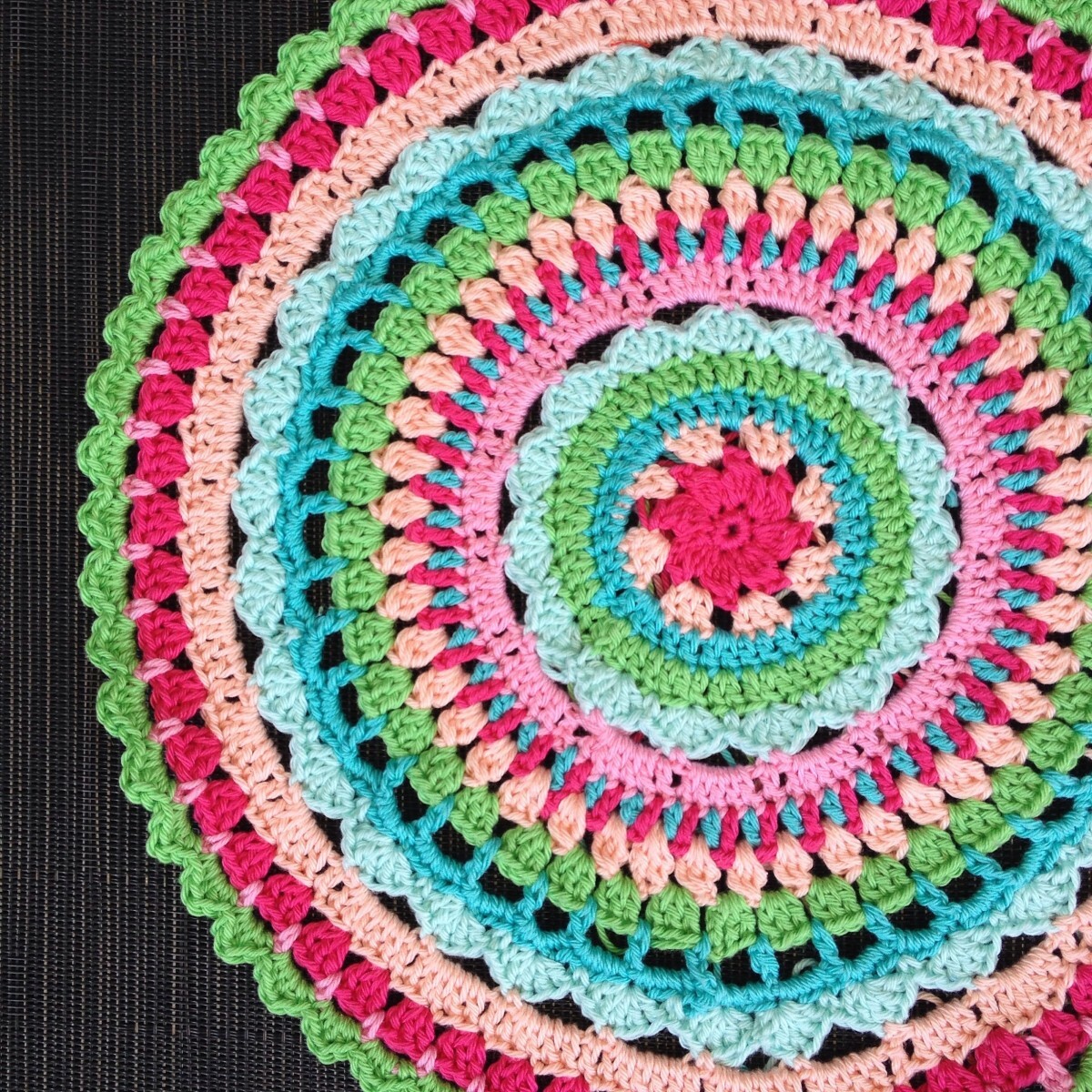
Creating a set of coasters involves more than just crafting a single one. Consistency in size, shape, and quality is key to a cohesive and visually appealing set. This section details the process of producing multiple coasters, including adjustments for varied sizes, and offers design ideas to make your coaster set truly unique.
Creating Consistent Coasters
To ensure your coaster set maintains a uniform appearance, careful attention to detail throughout the crocheting process is paramount. Use a consistent tension throughout the entire project. This involves keeping the tension of your yarn and the tightness of your stitches uniform. Measuring each coaster after completion allows for easy identification of any inconsistencies and allows you to correct them before moving on to the next coaster.
Regularly checking your gauge, a method for measuring stitch density, is essential. This process ensures each coaster maintains the same size and shape. Taking frequent breaks can also help maintain a steady hand and concentration.
Adjusting Coaster Sizes
Adapting the pattern for different coaster sizes is achievable by altering the number of rounds or rows. For example, if you want a smaller coaster, you can decrease the number of stitches in each round or row. Conversely, increasing the number of stitches will create a larger coaster. When modifying the pattern, it is vital to maintain the original stitch pattern to ensure the coasters have a consistent aesthetic and structure.
Consider a 3-inch coaster. It might require 8-10 rows, while a 4-inch coaster could potentially need 12-15 rows, depending on the crochet stitch pattern used.
Design Ideas for a Coaster Set
Variety in design is an excellent way to make your coaster set stand out. Experiment with different colors, yarn weights, and stitch patterns to achieve unique looks. Combining different colors in a gradient or a patterned fashion adds visual interest. You could use a variegated yarn for a subtle, flowing design or choose contrasting colors for a bolder look.
Furthermore, explore different stitch patterns beyond the basic single crochet or double crochet. Adding texture through techniques like seed stitch or shell stitch will elevate the coaster’s visual appeal.
Coaster Design Variations
The following table provides examples of coaster design variations, showcasing diverse sizes and shapes.
| Design Name | Size (in inches) | Shape | Stitch Pattern |
|---|---|---|---|
| Simple Circle | 3 | Circular | Single Crochet |
| Textured Circle | 4 | Circular | Seed Stitch |
| Geometric Square | 3.5 | Square | Double Crochet |
| Floral Square | 4 | Square | Shell Stitch |
| Twisted Spiral | 3.75 | Spiral | Double Crochet with Twist |
Finishing Touches
Completing your crochet coaster set involves several finishing steps to achieve a polished and professional appearance. These steps ensure the coasters are not only functional but also visually appealing, enhancing their overall aesthetic. Proper finishing touches protect the delicate fabric and create a more durable product.The finishing touches discussed below will ensure your coasters are ready to be used and admired.
They involve securing loose ends, adding embellishments for visual interest, and ensuring the coasters retain their shape and structure.
Edge Finishing Techniques
Careful edge finishing prevents fraying and enhances the overall look of the coasters. Various methods can be employed, each offering a unique aesthetic. Simple techniques include weaving in loose ends, which involves threading the yarn tail through the stitches along the edge and securing it. A more refined approach involves using a yarn needle to create a neat, invisible seam.
Embellishment Options
Adding embellishments elevates the coasters from simple functional items to decorative pieces. Beads, sequins, and buttons are common choices. The selection and placement of embellishments depend on personal preference and the desired aesthetic.
- Beads: Beads can be glued or sewn onto the coasters. Small beads are ideal for subtle embellishment, while larger beads can create a more dramatic effect. A variety of colors and sizes allow for customization and artistic expression.
- Sequins: Sequins add a shimmering touch to the coasters. Glue is the preferred method for attaching sequins. Varying sizes and colors create different visual effects.
- Buttons: Buttons can be incorporated for a vintage or whimsical touch. They can be sewn or glued onto the coasters. The button’s size, color, and design play a crucial role in shaping the aesthetic.
Blocking the Coasters
Blocking is the process of carefully shaping the coasters to maintain their intended size and form. This process involves stretching and pinning the coasters onto a blocking board to ensure they hold their shape and prevent distortion during use. The blocking process ensures the coasters retain their intended look and feel.
- Method: A blocking board, pins, and a damp cloth are essential for this step. The coasters are pinned to the board, and a damp cloth is draped over them. The pins help maintain the coasters’ shape while the damp cloth absorbs excess moisture and promotes even drying. This allows for a more uniform shape and ensures that the coasters don’t distort after washing.
Troubleshooting and Common Mistakes
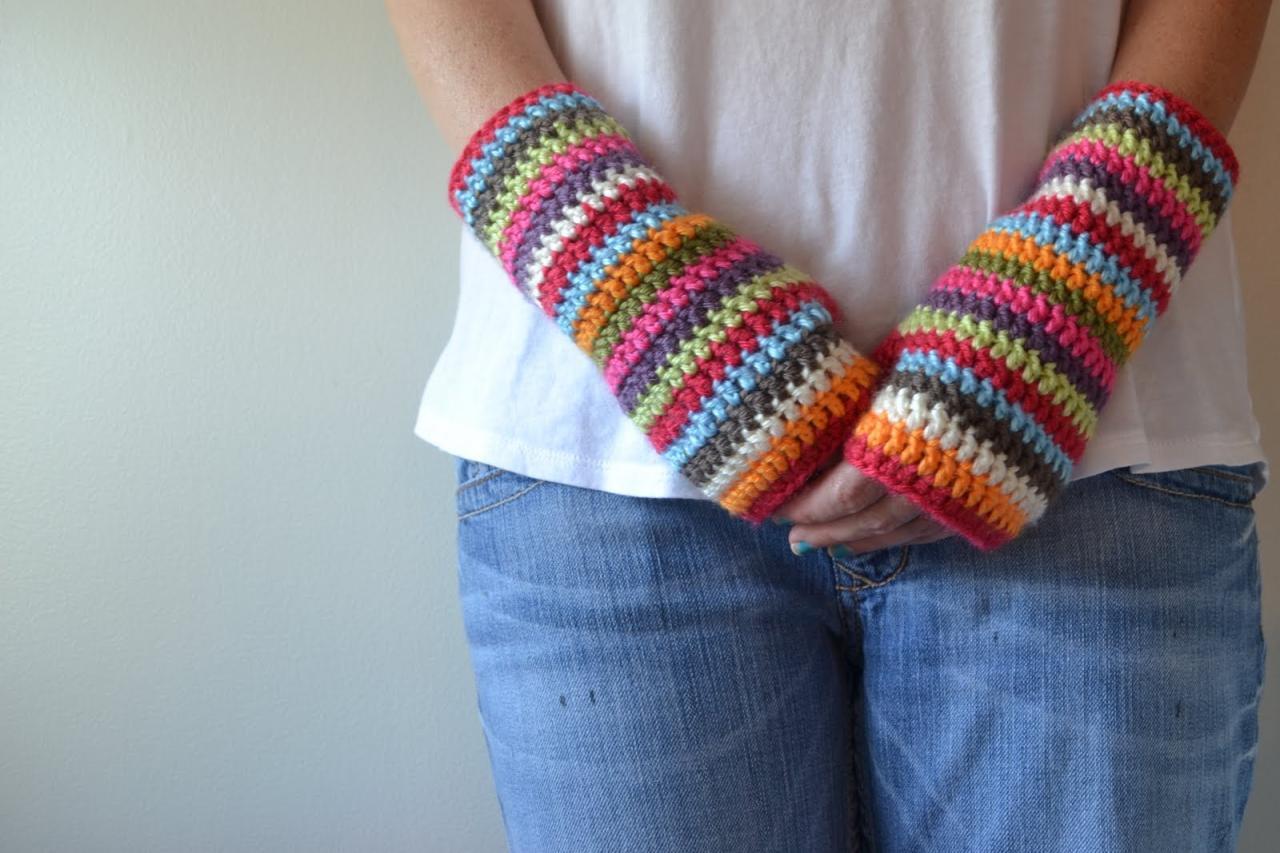
Crochet, while rewarding, can sometimes present challenges. Understanding potential issues and their solutions is key to successful projects. This section details common mistakes and provides effective troubleshooting strategies for a smoother crocheting experience.Troubleshooting is an essential part of any craft. By identifying potential problems and understanding their causes, you can effectively address them and produce high-quality crocheted coasters.
Learning from errors is a crucial aspect of skill development.
Identifying Dropped Stitches
Dropped stitches are a common frustration for crocheters, especially beginners. These errors occur when a stitch is inadvertently lost from the active chain or row. Several factors can contribute to dropped stitches, including improper tension, incorrect stitch formation, or distractions during the process.
- Tension Issues: Consistent tension is critical for even stitch formation. If your tension is too tight or too loose, stitches may slip or pull away. Adjusting tension to a balanced level is often the solution. Visualize a gentle, controlled pull throughout the project, avoiding abrupt movements or pressure.
- Incorrect Stitch Formation: Improperly crocheting a stitch can cause the chain to loosen, resulting in dropped stitches. Ensure each stitch is worked according to the pattern’s instructions. Practice each stitch in isolation to refine your technique and achieve a consistent result.
- Distractions: External factors such as distractions or interruptions can lead to dropped stitches. Creating a focused environment and minimizing distractions can significantly improve stitch accuracy.
Addressing Uneven Tension
Uneven tension can lead to a distorted coaster, impacting its overall appearance. Achieving uniform tension is crucial for a neat and professional finish.
- Tension Adjustment: Regularly check and adjust your tension throughout the project. If tension is inconsistent, use a stitch marker to identify the problematic areas. Consider using a tension gauge to ensure consistent tension across the entire project. Gradually and consistently adjust your grip on the hook and yarn.
- Yarn Quality: The type of yarn used can impact tension. Some yarns are more prone to stretching or shrinking than others. Experiment with different yarn types to find one that works best for your crochet style and tension preferences.
- Hook Size: An incorrectly chosen hook size can also contribute to uneven tension. Ensure you are using the appropriate hook size as per the pattern instructions. If tension is inconsistent, experiment with different hook sizes to find the ideal fit.
Troubleshooting Guide
This table provides a comprehensive guide for common crochet errors and their remedies:
| Issue | Description | Solution |
|---|---|---|
| Dropped Stitches | Stitches are lost from the active chain or row. | Ensure consistent tension, correct stitch formation, and minimize distractions. Re-work the dropped stitch, if possible. |
| Uneven Tension | Inconsistent tension throughout the coaster. | Adjust tension regularly. Use a tension gauge if needed. Check the hook size and yarn quality. |
| Incorrect Stitch | Stitches are not created as per the pattern instructions. | Refer to the pattern instructions for the specific stitch. Practice each stitch in isolation. |
Display and Storage Ideas
A finished set of crochet coasters is more than just functional; it’s a decorative addition to any space. Proper display and storage elevate the aesthetic appeal and preserve the integrity of your handcrafted creations. This section explores various ways to showcase your crocheted coasters, enhancing their visual impact and ensuring their longevity.
Displaying Crochet Coasters
Proper display techniques enhance the visual appeal of your crocheted coasters. Consider the overall design aesthetic of the room or space where the coasters will be displayed. Matching the display method to the style of the coasters and the surrounding decor is crucial for creating a cohesive and visually pleasing effect.
- On a decorative tray: A beautiful tray, perhaps in a complementary color or material, provides a stylish and organized way to display coasters. A tray adds a touch of elegance and helps group the coasters together, showcasing their design and craftsmanship. The tray can be made of wood, ceramic, or metal, each offering a unique visual appeal.
- Using a decorative stand: A small, decorative stand, perhaps with a unique shape or pattern, provides a raised platform for displaying the coasters. This method allows for better visibility and showcases the detailed craftsmanship of each coaster. The stand could be a small wooden platform or a sculpted metal piece.
- Arranged on a shelf or tabletop: Arrange the coasters in a visually appealing pattern on a shelf or tabletop. A staggered or symmetrical arrangement can create an attractive display. Consider the size and shape of the coasters when creating the arrangement to avoid a cluttered look. Using contrasting colors or patterns in the arrangement can create a dynamic display.
- As a centerpiece: Group several coasters together in a unique pattern on a table or a decorative stand. This can act as a beautiful centerpiece for a table, drawing attention to the artistry of your crocheted coasters.
Storage Solutions for Crochet Coasters
Effective storage solutions protect your coasters from damage and maintain their pristine condition. They also add to the overall organization and aesthetic appeal of your craft space.
- Fabric-lined boxes: Fabric-lined boxes, particularly those with decorative or patterned lining, offer a practical and aesthetically pleasing storage solution. They can be kept in a drawer or on a shelf and provide a secure and visually appealing environment for your coasters. The fabric lining can be in a color that complements the coasters or their surroundings.
- Clear containers: Clear containers, such as glass or acrylic boxes, provide easy visibility of the coasters. This is ideal if you want to easily find a specific coaster or change up the display from time to time. Clear containers also help showcase the detailed craftsmanship and intricate designs.
- Fabric-covered baskets: Fabric-covered baskets offer a soft, warm, and visually appealing storage solution. These can be kept on a shelf or in a corner and complement a wide variety of decor styles. They can be a good way to add a touch of color or pattern to your storage solution.
- Custom-made storage cases: Custom-made storage cases, whether wooden or fabric-lined, provide a unique and tailored storage solution. They can be designed to match your specific needs and the overall aesthetic of your space. Custom cases can incorporate additional features such as compartments or dividers for organizing different types of coasters.
Table of Display and Storage Ideas
| Display/Storage Method | Description | Visual Example |
|---|---|---|
| Decorative Tray | Coasters arranged on a decorative tray. | Imagine a set of colorful coasters displayed on a round wooden tray with a woven design. |
| Elevated Stand | Coasters placed on a small, decorative stand. | Picture a set of patterned coasters sitting on a small, sculpted metal stand with intricate details. |
| Fabric-Lined Box | Coasters stored in a fabric-lined box. | Visualize a set of coasters nestled in a box with a patterned fabric lining, perhaps a soft teal or a floral print. |
| Clear Container | Coasters stored in a clear container. | Envision a set of coasters displayed in a clear glass container with a lid, allowing for easy visibility and organization. |
Ending Remarks
Congratulations! You’ve successfully navigated the process of creating a simple yet elegant set of crochet coasters. This guide provided a step-by-step approach, equipping you with the knowledge and skills to confidently tackle future crochet projects. Remember to experiment with different yarn types and colors to create a unique set that reflects your personal style. Enjoy displaying your beautiful handmade coasters!