Embark on a captivating crochet journey to create a stylish and unique bucket hat. This comprehensive guide walks you through every step, from selecting the perfect yarn to achieving the perfect finishing touches. Learn the essential crochet stitches, techniques for shaping the hat, and troubleshooting common issues. Whether you’re a seasoned crocheter or a beginner, this guide will equip you with the knowledge to craft a beautiful bucket hat that complements your personal style.
This detailed tutorial will guide you through the process of crafting a basic bucket hat, covering everything from calculating the correct size to mastering the shaping techniques. We’ll delve into essential crochet stitches, explore various yarn options, and provide practical tips for creating a well-fitting and attractive final product. Discover the joy of transforming simple stitches into a functional and fashionable accessory.
Introduction to Crochet Bucket Hats

A basic crochet bucket hat is a simple, protective head covering, typically characterized by its shallow, wide brim and a relatively straightforward construction. These hats are popular for their versatility, offering both style and practicality. Their design allows for a variety of yarn and stitch choices, enabling a wide range of customisations.Crochet bucket hats are frequently made from readily available and affordable materials, making them accessible projects for beginners and experienced crocheters alike.
The ease of construction, combined with the versatility of crochet, contributes to their popularity in various styles and aesthetics.
Materials for Crochet Bucket Hats
A variety of materials can be used to create a crochet bucket hat. The choice often depends on the desired look, feel, and durability of the finished product.
- Yarn: Yarn is the primary material. Its type and weight directly impact the hat’s appearance and feel.
- Crochet Hook: The appropriate hook size is crucial for achieving the desired stitch tension and the final hat size.
- Scissors: Sharp scissors are essential for cutting the yarn cleanly and efficiently.
- Stitch Markers: These are helpful for keeping track of rows and maintaining consistency. This is particularly valuable in larger projects, or projects requiring specific stitch patterns.
- Measuring Tape: A measuring tape aids in accurately determining the desired size of the bucket hat.
Basic Crochet Stitches
A few basic crochet stitches are needed to create a bucket hat. Mastery of these stitches will allow for greater flexibility and creativity.
- Chain Stitch (ch): This stitch forms the foundation of the project. It creates a series of loops, and the height and length of the chain will directly impact the hat’s height and depth.
- Single Crochet (sc): This is a fundamental stitch used to create the body of the hat. It’s often used to add layers of fullness and density to the hat’s brim.
- Double Crochet (dc): A stitch that adds height and texture to the hat. It is often used to create the brim or to create specific patterns or designs.
- Slip Stitch (sl st): This stitch is used to connect rows or to finish off the project. It’s important to ensure the correct execution of slip stitches, as these contribute to the hat’s overall shape and finish.
Yarn Weights and Types
Different yarn weights and types offer distinct qualities for crochet bucket hats.
| Yarn Type | Description | Suitability for Bucket Hats |
|---|---|---|
| Super Bulky | Thick, chunky yarn. | Excellent for quick projects, creates a substantial hat. |
| Bulky | Large, substantial yarn. | Good for a warm, substantial hat; may result in a larger hat than desired. |
| Worsted | Medium weight, versatile yarn. | Good for all-purpose use, suitable for a wide range of designs. |
| Sport | Lightweight, delicate yarn. | Best for smaller hats; may require multiple layers for warmth. |
| DK | A fine, medium weight yarn. | Good for projects requiring a balance between warmth and delicacy. |
| Lace | Very fine yarn, delicate. | Excellent for intricate designs; may not provide enough warmth. |
Calculating the Hat Size
Accurately determining the yarn and hook size is crucial for a well-fitting crochet bucket hat. Proper sizing ensures the hat will comfortably rest on the wearer’s head without being too tight or too loose. This section will detail the process of calculating head circumference and selecting appropriate materials for the desired hat size.Careful consideration of yarn weight and hook size is paramount to achieving a perfect fit.
Different yarn weights have varying thicknesses, and the hook size must be appropriate to create the desired stitch density. An incorrect hook size can result in a hat that is too tight or too loose, and consequently, uncomfortable for the wearer.
Determining Head Circumference
Accurate head measurement is essential for a snug and comfortable fit. Incorrect measurements can lead to a hat that is either too small or too large, affecting the overall wearing experience. Follow these steps for a precise measurement:
- Gather a flexible measuring tape.
- Position the tape around the head, just above the eyebrows and ears, ensuring it is snug but not tight.
- Read the measurement at the point where the tape overlaps.
- Record the measurement in inches or centimeters.
Selecting Yarn and Hook Size
Choosing the right yarn and hook size is critical for a well-fitting hat. Different yarn weights and hook sizes create varying stitch densities, influencing the overall hat size. The selection should consider the desired tightness or looseness of the finished hat.
Yarn Weight and Hook Size Chart
This table provides a general guideline for selecting appropriate hook sizes based on common head sizes and yarn weights. It is important to remember that these are just starting points, and individual results may vary based on stitch density and specific yarn used.
| Head Size (inches) | Yarn Weight | Hook Size (US/mm) |
|---|---|---|
| 21 | Worsted | 5 (3.75 mm) |
| 22 | Worsted | 5.5 (3.5 mm) |
| 23 | Worsted | 6 (4 mm) |
| 24 | Worsted | 6.5 (4.5 mm) |
| 25 | Worsted | 7 (4.25 mm) |
Importance of Accurate Measurements
Accurate measurements are crucial for a well-fitting hat. Slight variations in head circumference can significantly impact the comfort and appearance of the finished product. A hat that is too tight can cause discomfort, while a hat that is too loose can slip or slide.
Head Circumference vs. Hat Circumference
Understanding the difference between head circumference and hat circumference is vital. Head circumference is the measurement around the head, while hat circumference is the measurement around the finished hat. The hat circumference should be slightly smaller than the head circumference to allow for the necessary ease and stretch. This ensures a snug yet comfortable fit.
Basic Crochet Stitch Patterns
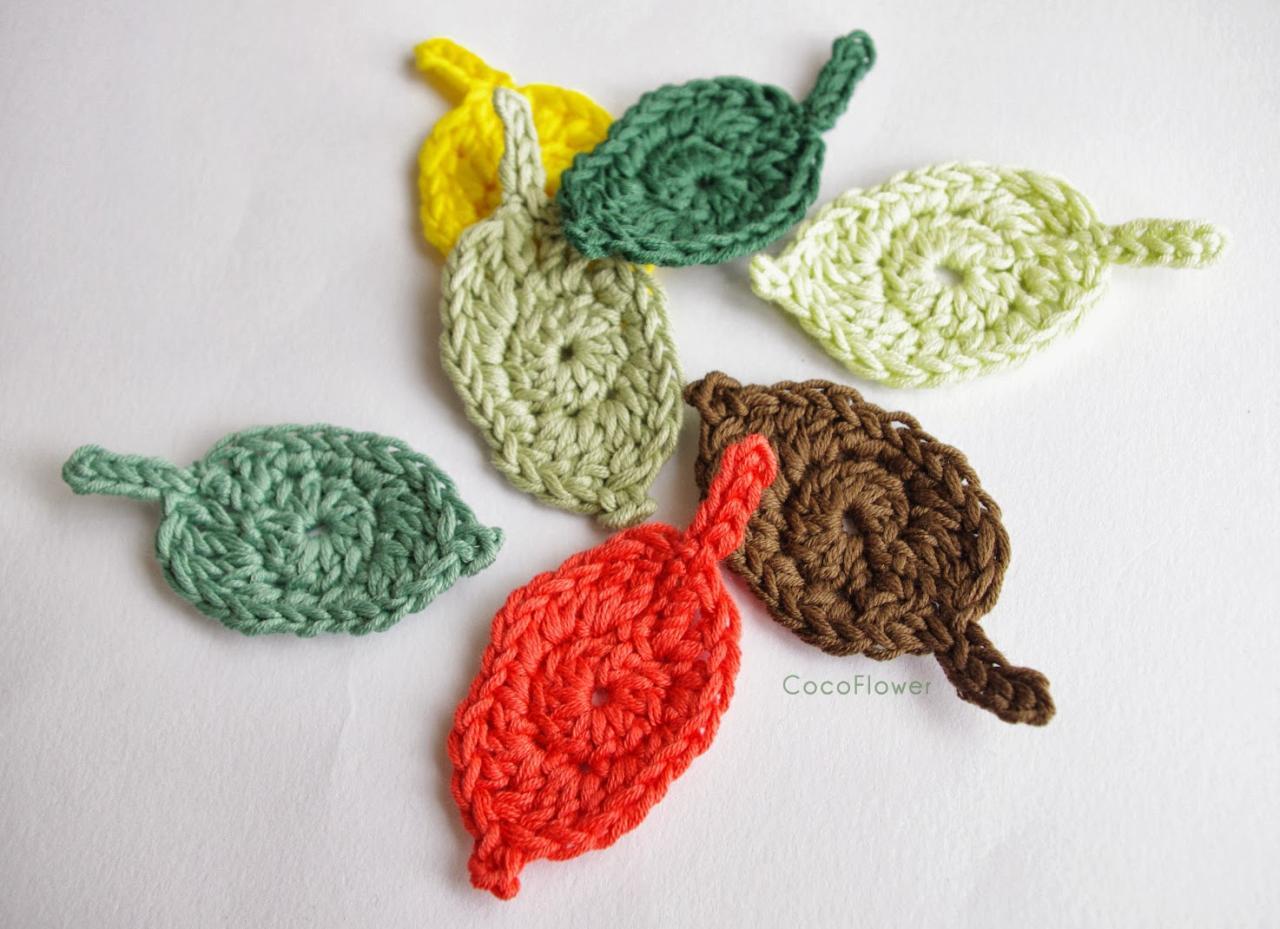
Understanding the fundamental crochet stitches is crucial for creating a well-structured and aesthetically pleasing bucket hat. Each stitch contributes to the hat’s overall texture and shape, influencing the final product’s appearance and durability. Mastering these stitches allows for a consistent and satisfying crocheting experience.
Basic Crochet Stitches Used
The construction of a bucket hat typically relies on a combination of basic stitches, primarily the single crochet (sc) and double crochet (dc). These stitches form the foundation of the hat’s body and provide the necessary structure and texture. Other stitches, like the treble crochet (tr), can be incorporated for decorative purposes or to create variations in texture.
A thorough understanding of these fundamental stitches ensures a consistent and predictable result.
Single Crochet (sc)
This is the most common and fundamental stitch in crochet. It creates a simple, tight stitch, ideal for the base layers of a bucket hat.
- Insert hook into the designated stitch or space.
- Yarn over.
- Draw yarn through the stitch.
- Yarn over and draw yarn through the remaining two loops on the hook.
This process is repeated across the desired row. Maintaining consistent tension is key to a uniform and aesthetically pleasing result.
Double Crochet (dc)
The double crochet stitch is slightly taller and more textured than the single crochet, lending itself well to adding depth and visual interest to the hat.
- Insert hook into the designated stitch or space.
- Yarn over.
- Draw yarn through the stitch.
- Yarn over and draw yarn through two loops on the hook.
- Yarn over and draw yarn through the remaining two loops on the hook.
Consistent execution of this stitch is crucial for a smooth and even appearance.
Visual Guide of Stitches
| Stitch | Description | Representation |
|---|---|---|
| Single Crochet (sc) | A basic, tight stitch. | [A simple, small, vertical line with a loop below, representing the hook and yarn.] |
| Double Crochet (dc) | A taller, more textured stitch. | [A slightly larger vertical line with two loops below, representing the hook and yarn.] |
Crochet Stitch Variations
| Variation | Description | Incorporation |
|---|---|---|
| Slip Stitch | A simple stitch used for joining rows. | Can be used to connect rows or to create a decorative border. |
| Treble Crochet (tr) | A taller, more textured stitch than double crochet. | Adds a significant amount of texture and visual interest. Can be used sparingly in the bucket hat’s design for accents. |
| Half Double Crochet (hdc) | A stitch in between single and double crochet in height. | Can be used as an alternative to single crochet or double crochet for varying textures. |
Importance of Stitch Tension
Maintaining consistent stitch tension is paramount for achieving a hat that fits correctly and looks aesthetically pleasing. Loose tension can result in a hat that is too large and saggy, while tight tension can lead to a hat that is too small and uncomfortable. Experimentation with different tension levels during the initial rounds is vital to determine the ideal tension for the desired hat size.
Practice with swatches of different stitch patterns is highly recommended to perfect tension before beginning the hat project.
Creating the Hat Base
Creating the foundation is a crucial step in crocheting a bucket hat. A well-constructed base ensures the hat maintains its shape and form throughout the crocheting process. This section details various methods to initiate the project and manipulate stitches for a perfect round.
Foundation Methods
Several methods can establish the base for your bucket hat. The choice depends on personal preference and the desired aesthetic.
- Chain Method: This method involves creating a series of chained stitches. A chain forms a linear starting point. A sufficient number of chains should be made to accommodate the hat size. This is a straightforward method, suitable for beginners and those familiar with chain stitches.
- Magic Ring Method: This technique creates a closed ring, often preferred for a clean and consistent start. It involves a series of stitches formed in a circular motion, which is then worked upon to construct the base.
Starting the Project
Initiating the crochet project correctly ensures a seamless transition to the base.
- Chain Method: Once the appropriate number of chains are created, join them together to form a ring. This ring becomes the starting point for the base.
- Magic Ring Method: A magic ring is created by crocheting into a circular loop, forming a closed ring, ready for the subsequent rounds.
Increasing and Decreasing Stitches
Gradually increasing and decreasing stitches is essential to achieve the desired rounded shape. Consistent increases create the expanding form, while decreases shape the form and create a seamless transition between rounds.
- Increasing: Adding stitches in a controlled manner helps create the rounded shape. A common method involves working two stitches in one stitch (double crochet in the same stitch) to gradually increase the size.
- Decreasing: Decreasing stitches is the opposite of increasing. It involves combining two stitches into one, allowing the form to shrink. A common approach is to work two stitches together.
Seamless Hat Base Techniques
Crafting a seamless hat base ensures a continuous and smooth transition between rounds.
- Slip Stitch: Employing slip stitches to join rounds minimizes the appearance of joins. The technique involves working a slip stitch between rounds.
- Invisible Join: This method uses a series of stitches to create a seamless transition. It is a more advanced technique, but it yields a more professional and seamless look. The stitches are carefully interwoven to hide any joining lines.
Shaping the Bucket Hat
The distinctive shape of a crochet bucket hat is achieved through careful shaping of the crown and brim. This section details the process of creating these features, including various techniques for achieving the desired form. Understanding these shaping methods will allow for the creation of hats with a variety of aesthetic appeals.
Creating the Crown Shape
The crown of the bucket hat is often formed by utilizing the same techniques as those employed in creating the hat base. A consistent stitch pattern and controlled increases or decreases will help establish the proper crown form. By varying the density of the stitches and the placement of increases and decreases, the crown can be tailored to the desired height and volume.
Adjusting these parameters during the shaping process will affect the final look and shape of the hat.
Methods for Shaping the Brim
Several techniques can be used to create the characteristic brim of a crochet bucket hat. Choosing the most suitable method depends on the desired look and the overall design of the project. These techniques influence the final appearance of the hat, allowing for greater customization.
Continuous Rounds for Brim Shaping
This method involves crocheting in continuous rounds, without separating the rounds. This approach is straightforward and provides a consistent brim. The continuous nature of the rounds allows for a smooth transition between rounds, maintaining a seamless and even brim. This method maintains a consistent stitch count and allows for easy shaping of the brim.
Separate Rounds for Brim Shaping
Using separate rounds to shape the brim allows for greater control over the brim’s shape. This technique often involves specific increases or decreases at the edges of each round to gradually refine the brim’s form. With separate rounds, shaping can be adjusted more precisely, enabling greater control over the brim’s curve and the final look of the hat.
Step-by-Step Brim Shaping Guide (Continuous Rounds)
- After completing the base of the hat, begin working in continuous rounds.
- To shape the brim, decrease stitches on the outer edge of each round. A decrease stitch pattern should be consistently applied throughout each round, gradually reducing the number of stitches at the brim.
- Adjust the number of decreases per round to achieve the desired brim width. Experiment with varying the number of decrease stitches to create different curves and widths.
- Continue crocheting in continuous rounds, decreasing stitches until the desired brim width is reached. Gradually reduce the number of decreases to create a gentle curve.
- Once the desired shape is achieved, continue in continuous rounds to complete the brim.
Adding Shaping Stitches and Details
To add visual interest or further refine the brim’s shape, various shaping stitches can be incorporated. Adding texture or visual accents through the application of different stitch patterns will add depth to the project. Examples include single crochet, double crochet, or even decorative stitches, depending on the design preferences.
Example: Shaping with Single Crochet Decreases
- Work in continuous rounds, and decrease every other stitch with single crochet.
- For each decrease, replace two single crochet stitches with one single crochet.
- Repeat this pattern around the brim to shape it gradually.
Finishing Touches
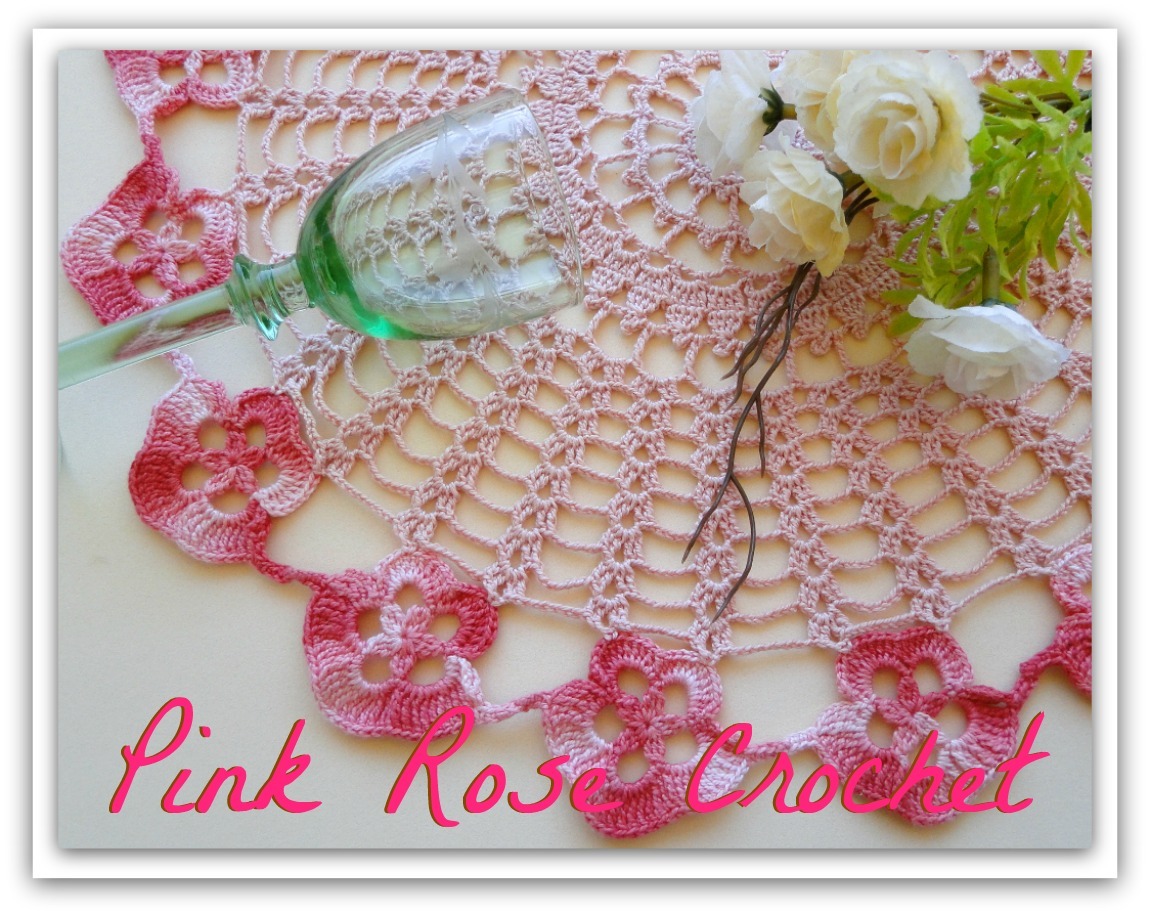
The final steps in crafting a crochet bucket hat are crucial for achieving a polished and professional appearance. These finishing touches ensure the hat’s longevity and aesthetic appeal. Properly securing edges and weaving in loose ends will prevent unraveling and maintain the hat’s shape.Careful attention to detail in the finishing process will create a hat that is both attractive and durable.
The addition of embellishments further personalizes the design and adds an artistic touch. Implementing these steps will elevate your crocheted bucket hat from a simple project to a finished piece of wearable art.
Securing the Hat Edges
Thorough edge securing is paramount to prevent unraveling and maintain the hat’s form. Different methods exist depending on the crochet technique and desired aesthetic. Properly securing edges ensures the hat retains its shape and remains intact throughout use. Methods like single crochet, double crochet, or even a specific edging pattern can be employed.
Weaving in Ends and Securing Loose Threads
Carefully weaving in loose ends is essential to prevent them from becoming visible and disrupting the hat’s overall appearance. This step also enhances the hat’s durability and longevity. Using a tapestry needle, thread the loose ends through the crocheted fabric, ensuring the stitches are secure and hidden. The technique involves threading the needle through the fabric in a way that conceals the end.
Adding Embellishments
Embellishments such as buttons, beads, or appliqués can personalize the bucket hat and add a unique touch. Consider the design of the hat and the overall aesthetic when selecting embellishments. For example, a simple button can add a touch of sophistication, while a cluster of beads can create a more playful look.
Options for Different Finishing Techniques
A variety of finishing techniques exist, each offering unique visual results and levels of complexity. A simple edging technique with a contrasting color yarn can add a touch of sophistication. Alternatively, a more elaborate fringe or tassel design could elevate the hat’s aesthetic. The specific technique employed will depend on the crocheter’s preferences and the desired look of the finished product.
Troubleshooting Common Crochet Problems
Crochet, while rewarding, can sometimes present challenges. Understanding common errors and their solutions is crucial for a smooth and successful project. This section will address typical issues encountered while creating a bucket hat, providing practical guidance to overcome them and achieve the desired outcome.Addressing errors promptly and effectively is key to maintaining consistent stitch quality and preventing frustration.
Recognizing the root cause of a problem often leads to a more efficient solution.
Identifying Dropped Stitches
Dropping stitches is a common occurrence in crochet, particularly when working with finer yarns or smaller hooks. These often happen when the yarn is not held taut or when the crocheter loses focus. The solution involves identifying the dropped stitch and re-working it.
- Recognizing the Dropped Stitch: Carefully examine each row, looking for any gaps or loose yarn where a stitch is missing. A dropped stitch may appear as a loose loop or a gap in the fabric.
- Correcting the Error: Gently pull the dropped stitch back into the work. If possible, re-crochet the stitch by inserting the hook into the correct stitch space and pulling up a loop of yarn. If this is not possible, carefully re-work the affected row or section.
Addressing Uneven Rows
Uneven rows can stem from inconsistent tension or incorrect stitch counting. Inconsistencies in tension often lead to rows that are either too tight or too loose. Incorrect stitch counting can also lead to rows that do not match the pattern. Careful attention to tension and accurate counting will solve this issue.
- Tension Adjustments: If your tension is too tight, loosen your grip on the hook and yarn. Conversely, if it’s too loose, increase your grip on the yarn. Experiment with slightly adjusting your tension until you achieve a consistent and comfortable rhythm.
- Stitch Counting: Double-check your stitch count at the end of each row. If there’s a discrepancy, re-evaluate the pattern to determine if a mistake was made in the row or if there’s a difference in the pattern instructions. Ensure you’re counting stitches correctly, and the yarn is consistent throughout the row. Using stitch markers can be helpful to maintain consistency.
Managing Tension Issues
Tension is a crucial element in crochet. Consistent tension ensures a smooth, even fabric and prevents distortions. Variations in tension can manifest as loose or tight stitches, leading to a warped or distorted project. Adjusting tension is a key skill for crocheters.
- Consistent Tension: Practice maintaining a consistent tension throughout the project. This can be achieved through consistent hand positioning and yarn handling techniques. Experiment to find the tension that best suits your yarn and hook size. Using a tension square can help standardize your tension and prevent inconsistent rows.
- Yarn Quality: The quality of yarn can also affect tension. Some yarns may be more prone to stretching or shrinking than others. If you notice inconsistent tension, consider switching to a different yarn or hook size to address the issue.
Troubleshooting Stitch Counting Errors
Accurate stitch counting is essential for maintaining the pattern’s integrity and preventing inconsistencies. Miscounts can lead to distortions in the project. Correcting stitch counting errors is a fundamental part of crochet.
- Double-Checking Counts: Before starting each row, check your stitch count against the pattern’s specifications. If there are discrepancies, go back and re-evaluate the previous row, identifying the source of the mistake. Using stitch markers can help you to count stitches more efficiently and maintain accuracy.
- Pattern Referencing: Always refer to the crochet pattern to confirm the stitch count for each row. Comparing the actual stitches with the pattern ensures the project adheres to the design intent.
Alternative Design Variations
Beyond the foundational bucket hat, a world of creative possibilities awaits. Exploring alternative designs allows you to personalize your crochet creations and cater to diverse tastes and styles. This section delves into various brim styles, embellishments, and color/pattern choices, providing inspiration for unique and captivating bucket hats.The adaptability of crochet allows for a wide range of design variations.
From subtle alterations to dramatic transformations, this section empowers you to craft bucket hats that reflect your unique aesthetic.
Different Brim Styles
Various brim styles can transform a basic bucket hat into a distinctive piece. The brim’s shape and depth significantly impact the hat’s overall appearance and functionality.
- Rounded Brim: A classic and comfortable style, this brim is gently curved, providing a soft and flattering look. This design is often favored for its versatility and ease of wear.
- Angled Brim: This brim features a more pronounced angle, offering a slightly sharper, modern edge. The angle can be subtle or dramatic, allowing for a range of design expressions.
- Curved Brim: This brim incorporates a graceful curve, often used to achieve a more flowing or dynamic look. This can add a touch of elegance to the hat.
- Wider Brim: A wider brim provides more sun protection and a bolder statement. This style can be paired with embellishments to enhance the hat’s visual appeal.
- Draped Brim: A draped brim creates a unique texture and visual interest. The drape can be achieved using different crochet stitches or by using additional yarn.
Embellishments
Embellishments are key to adding personality and visual appeal to your crochet bucket hats.
- Beads: Small, colorful beads can be incorporated along the brim or at specific points on the hat. This adds a touch of sparkle and visual interest.
- Ribbons/Lace: A ribbon or lace trim can add a touch of elegance and sophistication to the hat. This can be incorporated along the brim, the crown, or as a decorative band.
- Appliques: Crocheted or fabric appliques can be added to the hat, providing unique patterns or textures. These can range from simple flowers to elaborate designs.
- Yarn Overlays: Adding a contrasting yarn overlay can create a visually appealing pattern or highlight certain areas of the hat. This is a simple yet effective way to enhance visual appeal.
Color and Pattern Variations
Color and pattern choices play a vital role in defining the hat’s aesthetic. Consider using complementary or contrasting colors for a visually appealing effect.
| Color Scheme | Description |
|---|---|
| Monochromatic | Using shades of the same color for a cohesive and sophisticated look. |
| Complementary | Using colors that are opposite each other on the color wheel for a vibrant and contrasting effect. |
| Analogous | Using colors that are adjacent to each other on the color wheel for a harmonious and balanced look. |
| Accent Colors | Using a few accent colors to add interest to a neutral or solid color base. |
- Stripes: Incorporating stripes in different colors or patterns adds a dynamic element to the hat. Varying stripe widths can create a visually engaging effect.
- Geometric Patterns: Geometric patterns can add a modern and structured look to the bucket hat. These patterns can be simple or complex, depending on the desired aesthetic.
- Floral Patterns: Floral patterns can add a touch of femininity and elegance to the hat. The patterns can range from simple flowers to intricate floral designs.
- Abstract Patterns: Abstract patterns can add a unique and artistic touch to the hat. These patterns can be created using various crochet stitches and color combinations.
Incorporating Different Stitch Patterns
Using a variety of stitch patterns can significantly enhance the bucket hat’s visual appeal.
- Seed Stitch: A simple and textured stitch, perfect for creating a subtle pattern on the brim or the crown.
- Shell Stitch: A more intricate stitch, ideal for adding a touch of elegance or sophistication to the hat.
- Treble Crochet: This stitch adds a bolder, more substantial look. It’s suitable for creating accents or specific areas of the hat.
- Double Crochet: A versatile stitch that can be used to create various patterns and textures, adding a touch of warmth to the bucket hat.
Inspirational Designs
Drawing inspiration from various sources is crucial in creating unique crochet bucket hats.
- Nature: Nature provides a wealth of inspiration for unique designs, including incorporating leaves, flowers, and other natural elements into the hat.
- Fashion Trends: Keeping up with current fashion trends can provide inspiration for creating modern and stylish bucket hats. Consider colors, patterns, and shapes that are trending in fashion.
- Other Crafts: Other crafts, such as painting, jewelry-making, and embroidery, can provide unique patterns and techniques to incorporate into crochet designs.
Final Thoughts
In conclusion, this comprehensive guide has provided a thorough walkthrough of crocheting a basic bucket hat, equipping you with the knowledge and skills to create your own personalized accessory. From understanding basic stitches to mastering shaping techniques, and addressing potential issues, you now possess the tools for crafting a beautiful and well-fitting bucket hat. We encourage you to experiment with different yarn weights and colors to express your unique style.
Happy crocheting!