Knitted garments, whether sweaters, scarves, or blankets, often require blocking to achieve their intended shape and appearance. This crucial step, often overlooked, ensures a professional finish and prevents undesirable stretching or distortion. Proper blocking techniques are essential for maximizing the beauty and longevity of your handmade creations. This guide will walk you through every aspect of the blocking process, from selecting the right materials to troubleshooting common issues.
This comprehensive guide details the various techniques for blocking knitted garments, highlighting the importance of choosing the right materials and methods based on the type of garment and yarn. It also covers crucial pre-blocking steps, specific blocking methods for different garments, and how to maintain the finished product.
Introduction to Blocking Knitted Garments
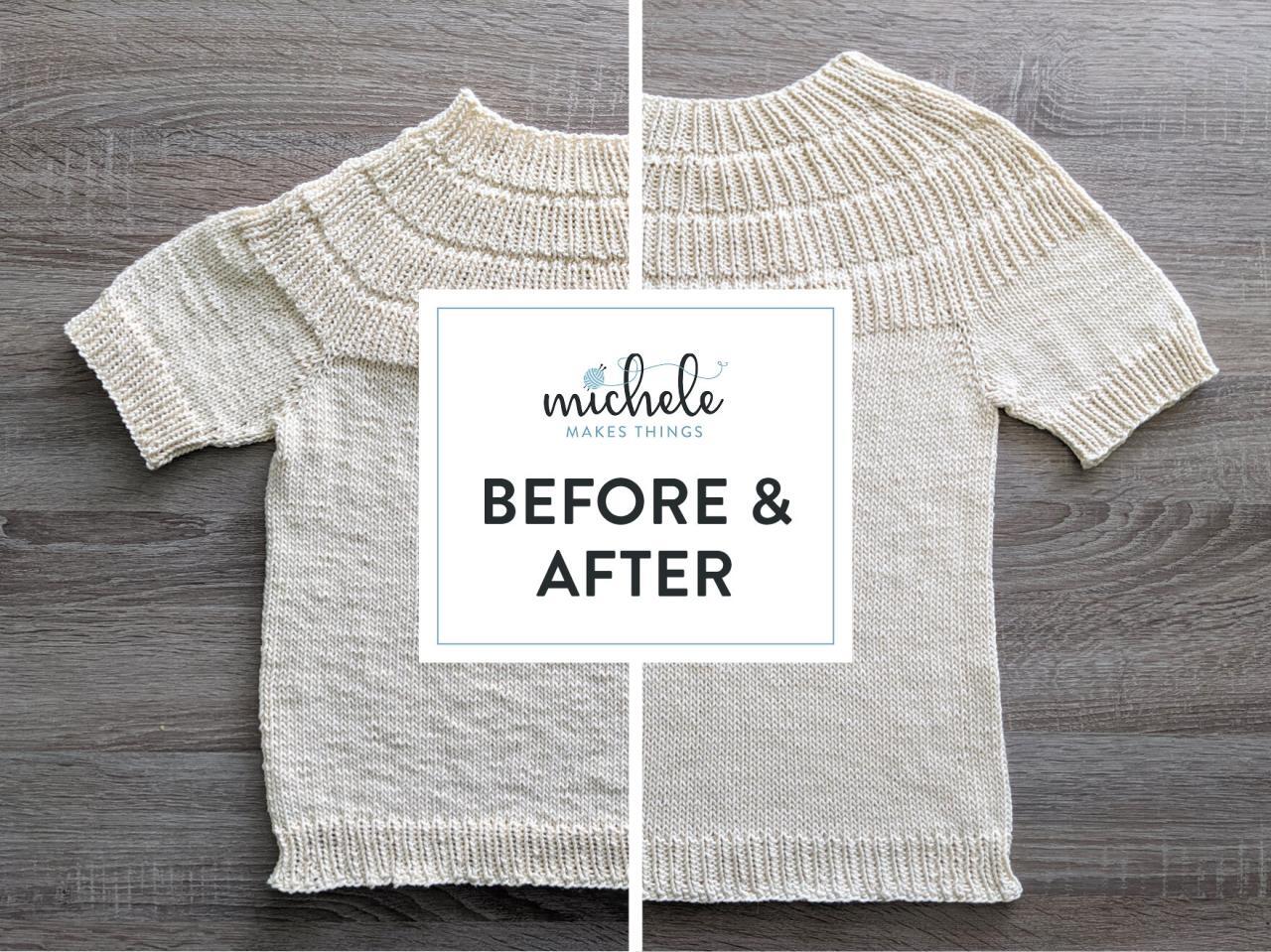
Blocking knitted garments is a crucial step in the garment-making process, ensuring the final product achieves its intended shape and appearance. It involves manipulating the fabric to align stitches, remove wrinkles, and achieve a precise fit and aesthetic. This process is vital for sweaters, scarves, blankets, and other knitted items, preventing unwanted distortions that may arise during washing or drying.Proper blocking enhances the garment’s drape, enhances the texture, and improves the overall aesthetic appeal.
The process of blocking also ensures that the garment maintains its shape and dimensions, preventing stretching or shrinking that can occur over time. It’s an investment in the longevity and beauty of the finished knitted piece.
Importance of Blocking for Different Knitted Garments
Blocking is essential for all knitted garments to maintain their shape, drape, and aesthetic appeal. For sweaters, it ensures the proper fit and prevents unwanted distortion, such as uneven shoulders or a misshapen body. Scarves benefit from blocking, achieving a consistent drape and preventing the formation of wrinkles or creases that can detract from their appearance. Blankets gain a soft, even texture and shape, enhancing comfort and aesthetics.
Blocking Techniques Based on Materials
Blocking techniques vary depending on the materials used for the garment. Common methods involve using water, steam, or specialized blocking boards and tools. This section details the diverse approaches to achieving the desired shape and appearance in knitted items.
Blocking Materials and Their Characteristics
Different materials are used for blocking, each with unique characteristics that impact the outcome. The selection of the appropriate blocking material is critical for achieving the desired results.
| Blocking Material | Characteristics | Suitable for |
|---|---|---|
| Water-based Blocking | Utilizes water to dampen the fabric, allowing for manipulation and shaping. Suitable for various knitted fabrics, including delicate ones. | Sweaters, scarves, blankets |
| Steam Blocking | Involves using steam to soften the fabric and manipulate its shape. Effective for achieving precise shaping and removing wrinkles. | Sweaters, shawls, blankets, delicate fabrics |
| Blocking Boards | Specialized boards with various shapes and contours provide a stable surface for manipulating the garment’s shape. Excellent for achieving precise forms. | Sweaters, scarves, blankets, and other garments requiring a stable surface. |
| Blocking Mats | Soft, padded mats provide a gentle surface for shaping and preventing damage to the fabric. Ideal for delicate fabrics and items requiring precise manipulation. | Sweaters, scarves, hats, delicate knits |
| Blocking Weights | Small weights, such as fabric pins or small stones, are used to hold specific areas of the garment in place during blocking. Crucial for shaping and maintaining the desired form. | Sweaters, blankets, accessories |
Selecting Blocking Materials
![How to block knitting [The ultimate tutorial]](https://bisabanget.web.id/wp-content/uploads/2025/09/step-14-the-swatch-after-removing-the-pins-all-blocked-1024x684-1.jpg "How to block knitting [The ultimate tutorial]")
Properly blocking knitted garments is crucial for achieving the desired shape and preventing shrinkage. Selecting the right materials for this process significantly impacts the final outcome, ensuring a professional finish and long-lasting wear. Carefully considering the properties of various materials will help you achieve the best results for your projects.The success of blocking relies heavily on the chosen materials.
These materials must provide the necessary support and absorbency to mold the garment to the desired shape while maintaining its structure. Different knitted fabrics and garment styles necessitate different blocking materials, and understanding the nuances of these materials is essential for achieving a flawless result.
Essential Materials for Blocking
A variety of materials can be used for blocking knitted garments. Essential materials include absorbent cloths, towels, and specialized blocking boards, each with its unique properties. The selection of the appropriate materials depends on factors like the type of fabric, the desired shape, and the overall project goals.
Factors to Consider When Choosing Blocking Materials
Several factors are critical when choosing blocking materials. These factors include absorbency, support, and shape retention. Absorbency is crucial for removing excess moisture and promoting even drying. Support is vital for maintaining the desired shape and preventing distortion during the blocking process. Shape retention refers to the material’s ability to hold the shape of the garment after blocking, which is essential for long-lasting results.
Comparing Different Blocking Materials
Different materials offer varying degrees of absorbency, support, and shape retention. Towels, for example, are highly absorbent and provide good support, making them suitable for many knitted garments. Specialized blocking boards, with their rigid surfaces, offer excellent support and shape retention, especially for more complex shapes. Soft cloths, such as flannel or cheesecloth, are useful for delicate fabrics and provide a gentle support that avoids damage.
Table of Blocking Materials
| Material | Pros | Cons | Cost-Effectiveness |
|---|---|---|---|
| Towels | High absorbency, good support, generally affordable. | Can be bulky, potentially less shape retention for intricate designs. | High |
| Specialized Blocking Boards | Excellent shape retention, precise support, durable. | Can be expensive, may not be ideal for all garment types. | Low |
| Soft Cloths (e.g., flannel, cheesecloth) | Gentle on delicate fabrics, good absorbency, relatively inexpensive. | Limited support, may not be suitable for garments needing strong shape retention. | Medium |
| Paper | Cheap, versatile, and can be used as a substitute for more specialized materials. | Limited absorbency, potential for wrinkling and less support. | Very High |
Preparing the Knitted Garment for Blocking
Proper preparation of the knitted garment is crucial for achieving a professional and aesthetically pleasing final product. This stage ensures that the blocking process is successful and minimizes the risk of stretching or distorting the garment. Understanding the pre-blocking steps will lead to a garment that maintains its shape and size after blocking.Thorough preparation of the knitted garment before blocking is essential for achieving the desired outcome.
This involves steps that minimize the risk of stretching or distortion during the blocking process. The proper preparation also ensures that the garment retains its shape and size after blocking.
Pre-Blocking Steps
Careful preparation before blocking prevents unwanted stretching and distortion during the process. Removing wrinkles and creases, and laying the garment flat on a surface are critical to the successful blocking process. This stage sets the foundation for a smooth blocking process.
- Removing Wrinkles and Creases: Carefully examine the garment for any wrinkles or creases. Use a damp cloth or a gentle steam to remove these imperfections. Alternatively, a flat surface like a table or a specialized blocking board can be used to gently press out the wrinkles. This prevents wrinkles from becoming permanent during blocking, leading to a smoother and more uniform finished garment.
Avoid harsh ironing or rubbing as these can damage the fabric.
- Laying the Garment Flat: A crucial step is laying the garment flat on a stable surface. This step is crucial to ensure the garment maintains its shape and size during the blocking process. Ensure that the garment is placed on a smooth, flat surface. This can be a table, a blocking board, or a large, flat surface. Consider the shape of the garment when choosing the surface.
For instance, a long garment may need a long flat surface. If possible, use tailor’s ham or pins to hold the garment in place, so it does not shift during the blocking process. This prevents wrinkles and ensures even distribution of the garment.
Avoiding Stretching and Distortion
Careful handling and strategic placement during the pre-blocking steps are essential to minimize stretching or distortion of the knitted garment. The goal is to maintain the garment’s original shape and size. This is achieved through the use of appropriate techniques and tools.
- Using Blocking Tools: Blocking tools, such as blocking boards, pins, and tailor’s ham, are designed to support the garment without causing damage or distortion. Blocking boards provide a stable surface for the garment, allowing for even moisture distribution. Tailor’s ham or pins can be used to hold the garment in place and maintain its shape. This helps to avoid stretching or distortion while the garment is blocked.
Use these tools to hold the garment in the desired position while it dries. Use the blocking board and other tools strategically to ensure the garment’s shape remains consistent.
- Gentle Handling: Handle the garment gently throughout the pre-blocking process. Avoid tugging, pulling, or stretching the fabric. Gentle handling ensures that the garment’s shape and size are preserved. This will result in a garment that retains its shape during the blocking process. Avoid any forceful movements, as these can cause unwanted stretching.
Removing Wrinkles and Creases Before Blocking
Proper wrinkle removal before blocking is essential to ensure a smooth, even blocking process. This avoids permanent creases and ensures a uniform final garment. The method used should be appropriate for the type of fabric and should not damage the fibers.
- Damp Cloth or Steam: Using a damp cloth or a gentle steam is an effective way to remove wrinkles. Gently press the cloth or steam over the garment to release wrinkles. This is best for delicate fabrics. The damp cloth helps to reshape the fabric while removing the wrinkles.
- Flat Surface: A flat surface can also help to flatten the garment. Lay the garment flat on the surface and gently press out any wrinkles. This method is suitable for most fabrics. Using a flat surface can also help to remove wrinkles that might be present.
Blocking Techniques for Different Garments
Proper blocking techniques are crucial for achieving the desired shape and fit of knitted garments. They ensure that the garment retains its form, maintains its stitch definition, and looks its best. By carefully considering the specific needs of each garment type, you can effectively manipulate the fabric to achieve the perfect aesthetic.Blocking techniques are not just about smoothing out the garment; they are about carefully shaping it to reflect the intended design.
Different techniques are employed for various garment types, from the delicate drape of a shawl to the structured form of a sweater. The chosen materials and the application of pressure play a significant role in the outcome.
Blocking Techniques for Sweaters
Blocking sweaters requires careful attention to detail to achieve a smooth and even finish. Sweaters, particularly those with intricate patterns or complex shaping, benefit significantly from the precision of blocking.
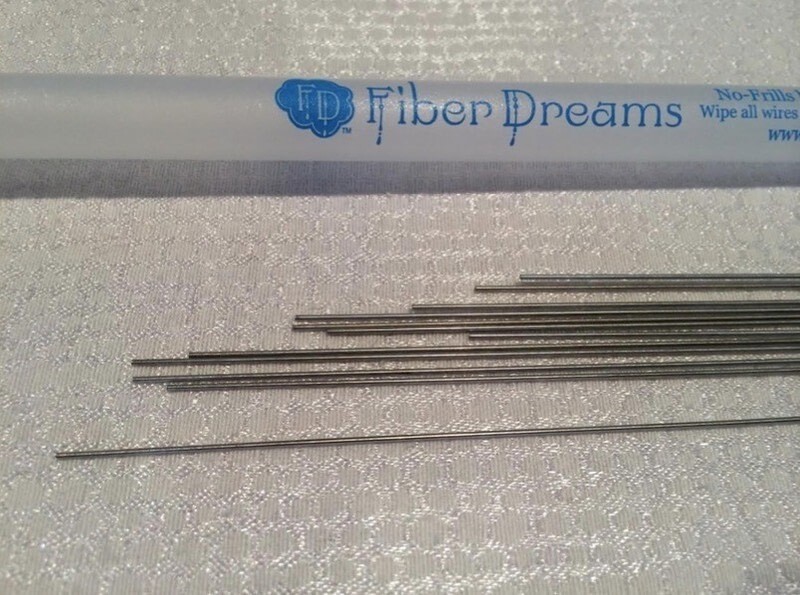
- Blocking the Body: Use a sturdy blocking board, or a series of boards, to support the sweater’s body. Apply gentle pressure with blocking wires or pins to the shoulder seams and underarms to maintain the intended shape. Avoid excessive pressure, which may distort the fabric. Employ a dampening technique to ensure even distribution of moisture and maintain the garment’s drape.
- Blocking the Sleeves: Shape the sleeves by pinning or stretching them gently over blocking wires or using appropriate shaping tools. Ensure the sleeves are placed on the board in a relaxed position to avoid stretching or pulling. The use of blocking boards and shaping tools ensures the sleeve cuffs and hems are aligned.
- Blocking the Neckline: Use blocking wires or pins to gently stretch and shape the neckline. If the sweater has a defined neckline, place blocking wires carefully to maintain the desired curve and avoid unwanted distortion. Use gentle pressure to prevent stretching and to maintain the garment’s original shape.
Blocking Techniques for Shawls
Blocking shawls is a delicate process that requires careful consideration of the shawl’s design and intended drape.
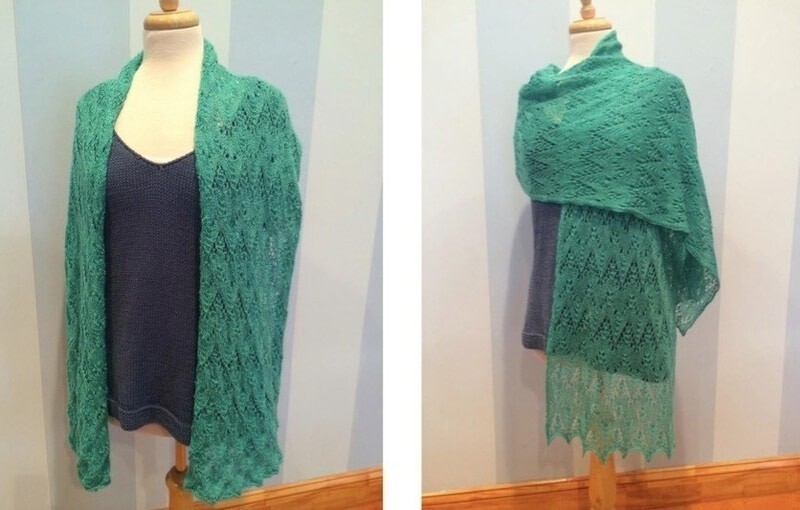
- Blocking the Body: Lay the shawl flat on a blocking board or a large, clean surface. Ensure the edges are aligned and pinned to the surface for stability. Gently press the shawl to reshape and smoothen out the stitches. Use blocking wires or pins to maintain the shape and prevent sagging.
- Maintaining the Drape: When blocking shawls, prioritize maintaining the intended drape. Use a dampening technique and gentle pressure to create the desired texture. Avoid excessive pressure, which may distort the fabric’s delicate drape.
Blocking Techniques for Socks
Blocking socks involves shaping the foot and heel, ensuring a snug fit and maintaining the intended look.
- Blocking the Foot: Use blocking boards, or simply a flat surface, to support the sock. Gently stretch the foot portion to achieve a proper fit. Employ appropriate shaping tools, such as pins or blocking wires, to ensure even distribution of pressure.
- Blocking the Heel: Carefully position the heel area of the sock. Use blocking tools to gently mold the heel to maintain the sock’s structural integrity. Ensure that the heel is aligned with the foot and maintains the desired shape. Avoid any excessive stretching or pulling.
Blocking Techniques for Other Knitted Garments
Other knitted garments, such as cardigans, hats, and blankets, also require specific blocking techniques to achieve the desired form.
| Garment Type | Blocking Technique |
|---|---|
| Cardigans | Use blocking boards and pins to shape the body, sleeves, and neckline. |
| Hats | Use blocking boards and pins to shape the crown and brim. |
| Blankets | Lay flat on a large surface and carefully press out any wrinkles. |
Blocking with Specific Materials
Blocking, the crucial step in shaping and preserving knitted garments, benefits significantly from the diverse range of materials available. Understanding the characteristics and applications of different materials allows knitters to achieve optimal results, ensuring their creations maintain their intended form and aesthetic appeal. Choosing the right blocking method is vital to preserving the integrity and design of the garment.Different materials offer varying degrees of support, absorbency, and flexibility.
This allows for precise control over the shaping process and caters to the unique needs of various knitted projects. Employing the appropriate blocking materials ensures that the garment retains its desired form and shape, leading to a polished and professional finish.
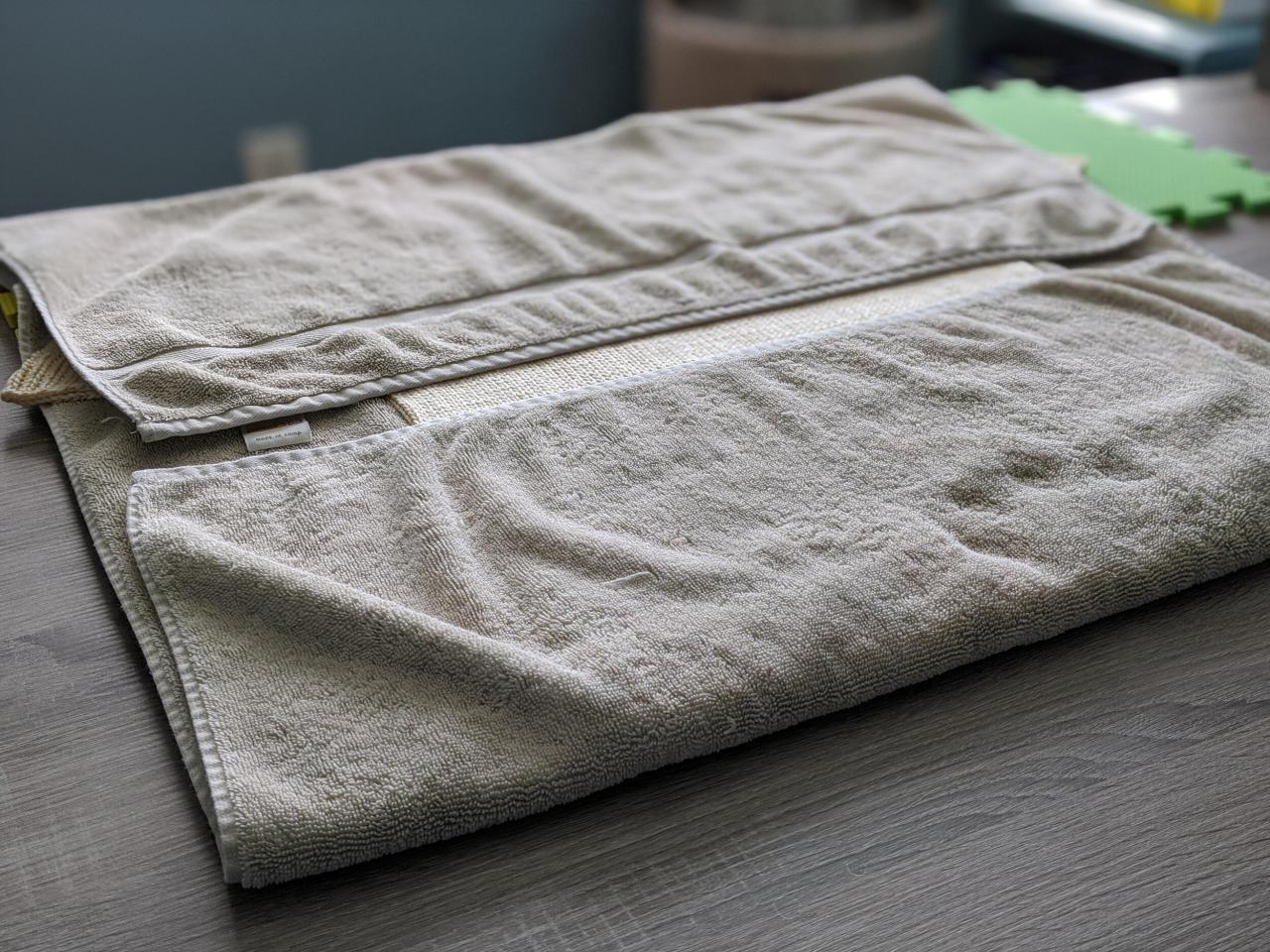
Blocking with Towels
Towels, with their absorbent and relatively soft nature, provide an excellent medium for blocking garments, particularly those that require significant shaping. Their gentle texture minimizes the risk of damaging the delicate stitches.
- Advantages: Towels offer a good balance of absorbency and gentle support. They are readily available, inexpensive, and effective for a wide variety of projects. Their soft texture helps avoid damage to the fabric.
- Disadvantages: Towels can be bulky and less precise than other blocking materials, potentially resulting in inconsistent results if not carefully used. Their softness may not provide sufficient support for complex shapes.
Blocking with Cloths
Utilizing cloths for blocking offers a more controlled approach than towels. The selection of the cloth material influences the final results. Lightweight, slightly absorbent cloths can yield delicate shaping, while heavier fabrics offer more support.
- Procedure: Select a cloth appropriate for the garment’s weight and desired shape. Lay the garment flat on the cloth, ensuring the desired shape is maintained. Moisten the cloth, taking care not to oversaturate the garment. Carefully place the garment on the blocking board or a flat surface and use pins to secure the shape. Allow the garment to dry thoroughly.
- Comparison to Other Methods: Compared to blocking with towels, cloths provide greater precision in shaping. The support provided by the cloth is more consistent, leading to a more controlled and predictable outcome. However, the choice of cloth influences the final outcome, requiring a careful selection based on the garment’s requirements.
Blocking with Specialized Blocking Boards
Specialized blocking boards offer a dedicated surface for achieving consistent and precise blocking results. These boards are designed to provide even support and prevent distortion during the blocking process.
- Benefits: Blocking boards offer a stable platform for manipulating the garment. They are often equipped with specialized features, like raised edges or compartments, to prevent shifting and maintain the desired shape during the drying process. Their design helps in achieving even drying and consistent results.
- How to Use Effectively: Place the garment on the blocking board, ensuring it sits securely. Use pins or clips to secure the garment to the board, maintaining the desired shape. Carefully dampen the garment, being mindful of the even distribution of moisture. Allow the garment to dry thoroughly, following the manufacturer’s instructions for drying time. Inspect the garment regularly during the drying process to ensure the shape is consistent with the intended design.
Blocking Using Dampening Techniques
Proper dampening is critical for achieving optimal blocking results. Different techniques are suitable for various types of knitted garments.
- Methods: For fine stitches or delicate fabrics, a gentle misting of water is preferred. Heavier knits may require a more thorough soaking, but care should be taken to avoid excessive moisture that could damage the fabric. Using a spray bottle or a damp cloth to evenly distribute moisture over the garment is essential.
Blocking Techniques and Tools
Blocking, the crucial step in garment finishing, ensures a garment’s final shape and fit. Proper blocking techniques, using the right tools, yield professional-quality results, making the garment presentable and enhancing its longevity. A well-blocked garment retains its shape, preventing wrinkles and maintaining its design integrity.Effective blocking hinges on the correct use of specialized tools. These tools, carefully selected and expertly applied, transform a potentially misshapen garment into a flawlessly formed piece.
Understanding their individual roles and how they work together is essential for achieving optimal results.
Blocking Tools and Their Uses
A range of tools facilitates the blocking process. Each tool serves a specific function, contributing to the overall precision and efficiency of the blocking procedure. The choice of tools depends on the type of garment and the desired outcome.
- Blocking Boards: These are flat, rigid surfaces, often made of wood or plastic, providing a stable platform for blocking. Blocking boards come in various sizes and shapes, allowing for adaptability to different garment sizes and shapes. They provide a stable surface to maintain the garment’s shape during the blocking process. Different materials, like cork, may offer added grip to prevent the garment from slipping.
Some boards are designed with specific contours for particular garment types, like jackets or hats, to help achieve the desired form.
- Blocking Pins: These are essential for pinning the garment to the blocking board, holding the fabric in place, and maintaining the desired shape. Blocking pins come in various sizes and materials. Metal pins, with their durability, are often preferred for larger projects. Pins help to secure the fabric in place, preventing it from shifting while the garment is being blocked.
- Weights: These are used to hold the garment in place, preventing it from moving and maintaining its shape during the blocking process. Weights can be simple objects like small stones, ceramic beads, or even specialized blocking weights designed for different garment types. The choice of weight depends on the size and shape of the garment. For example, lightweight garments may require small weights, while heavier garments may necessitate heavier weights to maintain the desired form.
- Spray Bottles/Water Sprays: Used to dampen the fabric, this allows for a more malleable garment during blocking. The fabric absorbs the water, allowing the garment to conform to the blocking board and weights.
Blocking Techniques for Different Garment Types
Different garment types require tailored blocking techniques. The approach used for a fitted top is different from that for a voluminous skirt or a structured jacket.
| Garment Type | Blocking Technique |
|---|---|
| Fitted Tops | Pin the garment to the blocking board, focusing on shaping the neckline and seams. Use weights to maintain the form of the garment’s curves. |
| Voluminous Skirts | Use a larger blocking board. Dampen the fabric and carefully place weights to support the skirt’s fullness. Ensure even distribution of weight to maintain the desired drape. |
| Structured Jackets | Carefully shape the shoulders and sleeves. Use pins and weights to support the jacket’s structure. Ensure the garment maintains its shape throughout the blocking process. |
Using Blocking Tools Effectively
Using the correct blocking tools and techniques is critical for achieving accurate blocking. Carefully positioning pins and weights, using a consistent and measured approach, ensures the garment takes the desired shape. A good approach is to work in sections, pinning and weighting each section to achieve a well-blocked garment. Dampening the fabric beforehand is essential for many garments, ensuring it takes the desired shape and form.
By following these steps, you will have a correctly blocked garment, ready for the next stage of finishing.
Blocking Considerations for Different Yarn Types
Blocking is a crucial step in finishing knitted garments, ensuring a precise and aesthetically pleasing final product. Different yarn types react differently to moisture and tension, necessitating adjustments in blocking techniques to achieve the desired results. Understanding these variations allows knitters to optimize their blocking process and achieve the best possible outcome for each project.Careful consideration of the yarn’s characteristics, such as its fiber composition and weight, is essential for effective blocking.
This involves choosing the appropriate blocking methods, materials, and techniques to avoid damaging the garment or compromising its shape. This section will Artikel the nuances of blocking different yarn types to help knitters achieve professional-quality results.
Blocking Techniques for Wool Yarns
Wool yarns, known for their natural texture and drape, often require gentle handling during the blocking process. Wool’s inherent shrinkage and tendency to spring back after blocking necessitates careful attention to moisture management and pressure application. The ideal approach involves using a dampening solution appropriate for wool, such as a gentle wool-specific detergent, followed by gentle shaping and setting.
Using a blocking board or a similar support structure is key to maintaining the desired shape and avoiding stretching. Avoid excessive pressure that might distort the delicate fibers.
Blocking Techniques for Cotton Yarns
Cotton yarns, known for their strength and absorbency, react differently to blocking than wool. Cotton’s ability to absorb moisture makes it receptive to blocking, allowing for a good hold and a precise shape. Using a fine mist of water or a solution of cool water and mild detergent is effective for blocking cotton garments. The blocking process should involve gentle shaping and firm pressure, allowing the cotton to retain its shape without stretching.
Cotton’s relatively stable nature allows for more aggressive shaping techniques, provided these techniques are handled carefully.
Blocking Techniques for Acrylic Yarns
Acrylic yarns, prized for their durability and ease of care, often benefit from a more controlled blocking approach. Acrylic’s tendency to hold its shape well reduces the need for extensive shaping during the blocking process. A gentle mist of water or a mild detergent solution is sufficient for blocking acrylic garments. Using a blocking board with careful pressure application is essential to maintain the shape of the garment without stretching or distorting the fibers.
Blocking Considerations Based on Yarn Weight
The weight of the yarn significantly influences the blocking process. Lightweight yarns often require a more delicate touch and gentler pressure during blocking to prevent distortion. Medium-weight yarns respond well to a balance of gentle shaping and firm support. Heavier yarns, like bulky yarns, can withstand more pressure and shaping, allowing for more assertive blocking techniques.
Choosing the Best Blocking Method for Different Yarns
The optimal blocking method depends on the specific yarn type and the desired outcome. For delicate yarns, a gentler approach is necessary. For durable yarns, more aggressive techniques can be employed. Experimentation with different techniques and materials will help knitters determine the most suitable method for each yarn type. The goal is to preserve the natural characteristics of the yarn while achieving the desired shape and fit of the garment.
Troubleshooting Blocking Issues
Blocking knitted garments is a crucial step in achieving the desired fit and shape. However, occasional issues can arise during the process. Understanding these potential problems and their solutions empowers knitters to confidently address them and achieve professional-looking results. Careful attention to detail and a methodical approach can prevent and correct these issues.
Common Blocking Issues and Their Causes
Many blocking problems stem from improper preparation or technique. For instance, using unsuitable blocking materials, applying excessive pressure, or not adequately supporting the garment during the blocking process can all lead to issues. Furthermore, variations in yarn type, gauge, and construction of the garment can influence the blocking outcome.
Addressing Stretching or Shrinking Issues
Stretching or shrinking can affect the overall shape and dimensions of the knitted garment. These issues can result from inadequate support during blocking or inappropriate use of moisture content in the blocking process. By understanding the specific causes and applying the appropriate solutions, these problems can be successfully rectified.
- Identifying the Cause: Carefully examine the garment for signs of excessive stretching or shrinking. Note if the issue is localized to specific areas or affects the entire piece. Also, review the blocking method and materials used.
- Correcting Stretching: If stretching occurs, use a denser blocking method. Employing a heavier, more rigid support material, such as a blocking board or frame, can effectively counteract stretching. Reduce the moisture content in the blocking process, as excessive moisture can lead to more stretching.
- Correcting Shrinking: If shrinking is the problem, consider increasing the moisture content in the blocking process. Using a more absorbent material, such as a damp cloth or sponge, can help restore the original dimensions. Employing a gentler blocking method, with less pressure, can also be beneficial.
Correcting Uneven Blocking and Distortions
Uneven blocking and distortions can manifest as wrinkles, puckers, or misaligned seams. These problems often stem from inconsistent pressure application or improper support during the blocking process. Applying uniform pressure and carefully supporting the garment with appropriate blocking tools and materials is key.
- Identifying the Problem Areas: Carefully examine the garment for areas where the blocking is uneven or distorted. Note any wrinkles, puckers, or misaligned seams. Consider if the issue is localized or pervasive.
- Addressing Uneven Pressure: To rectify uneven blocking, apply consistent pressure across the entire garment. Use multiple blocking tools or materials, strategically placed, to ensure balanced support. Re-block areas showing irregularities, paying close attention to the garment’s structure.
- Correcting Distortions: Distortions may be resolved by gently repositioning the garment on the blocking surface. Use blocking tools to carefully stretch or reshape specific areas. Consider re-wetting and gently manipulating the fabric to improve the overall shape and alignment.
Maintaining the Blocked Garment
Properly maintaining a blocked knitted garment ensures its shape and beauty are preserved for years to come. Careful storage and handling after blocking are essential to prevent damage and maintain the desired form. This section provides guidance on preserving the investment you’ve made in both the yarn and the creation of the garment.
Storage Considerations
Proper storage after blocking is crucial for maintaining the garment’s shape and preventing damage. A well-organized and protected storage environment helps preserve the integrity of the blocked garment, whether it is a sweater, a hat, or another item. Different types of storage will be necessary depending on the size and shape of the garment.
- Environment Control: Maintaining a stable environment is vital. Fluctuations in humidity and temperature can cause the garment to shrink, stretch, or warp, thus altering its shape. A cool, dry place, away from direct sunlight, is ideal. Basements or attics, particularly during seasonal changes, should be avoided as they can be highly susceptible to humidity fluctuations.
- Avoiding Damage During Storage: The garment should be handled carefully to prevent wrinkles, creases, or stretching. Avoid storing the garment in areas with excessive moisture or dust. Storing blocked items directly on shelves can also lead to wrinkles. Properly folded or rolled garments are less likely to develop these issues.
- Safe Storage Methods: Several methods can be employed for safe storage. For smaller items like hats or scarves, consider using acid-free tissue paper or acid-free garment bags to prevent the garment from touching itself. For sweaters and other larger garments, folding or rolling techniques can be applied. Always use acid-free materials, avoiding those containing lignin or other potentially harmful components.
For example, use acid-free tissue paper instead of newspaper or other materials that could potentially stain or damage the garment.
Safe Storage Techniques
The way a garment is stored directly impacts its longevity and shape. Implementing appropriate techniques minimizes the risk of damage during storage.
- Folding Techniques: Fold the garment carefully, avoiding sharp creases or wrinkles. Use acid-free tissue paper or a garment bag to protect the garment from itself and potential environmental hazards. For sweaters, carefully fold them flat, then roll them in a garment bag or tissue paper to prevent creases.
- Rolling Techniques: Rolling is another effective method, especially for sweaters. Carefully roll the garment from the neckline to the hem, using acid-free tissue paper or a garment bag to prevent creases and damage. This method helps to maintain the blocked shape of the garment.
- Garment Bags: Acid-free garment bags are excellent for storing blocked garments. They provide a protective barrier against dust, moisture, and light. Ensure the garment bag is large enough to accommodate the garment without causing any stress or stretching.
Maintaining the Blocked Shape
To maintain the blocked shape, handling should be gentle. Frequent handling or rough storage can cause the garment to lose its shape. Regular inspections help to spot potential issues early.
- Gentle Handling: Avoid pulling or stretching the garment when handling it. Carefully place the garment in storage to prevent unwanted creases. Avoid using excessive force or pressure during the handling process. Use gentle pressure, especially when removing or placing the garment.
- Regular Inspection: Periodically check the garment for any signs of damage or distortion. This will help to catch issues early and prevent further damage. This is especially important when storing the garment for long periods.
Ultimate Conclusion
In conclusion, blocking your finished knitted garments is a critical step in achieving the desired aesthetic and longevity. By understanding the various blocking techniques, materials, and considerations, you can ensure your creations maintain their shape and beauty. This guide has provided a comprehensive overview, enabling you to confidently block your garments and enjoy the results for years to come.
Remember to tailor your blocking methods to the specific yarn type and garment design for optimal outcomes.